

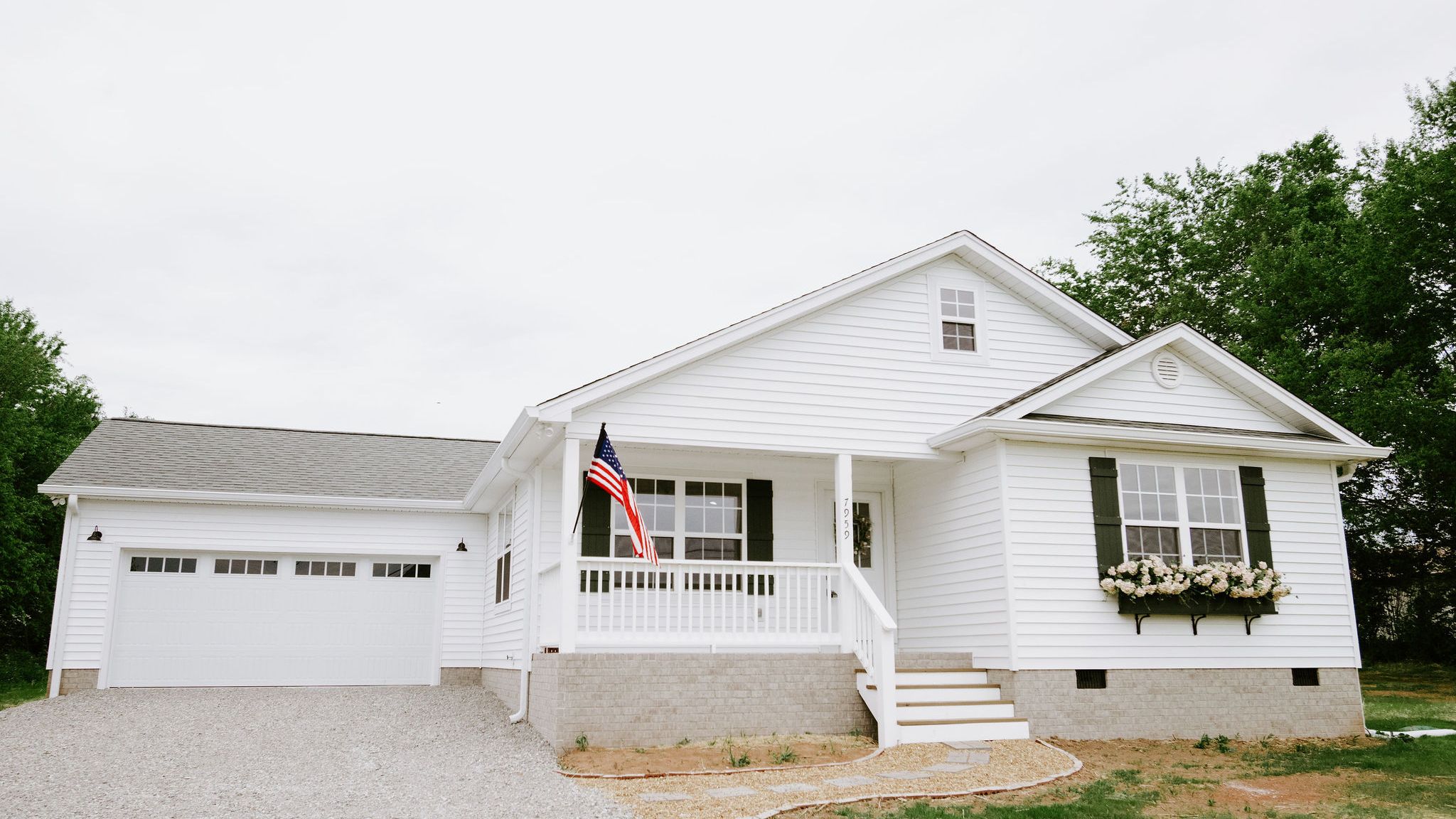
Building a home is exciting, but the budgeting part can feel like trying to hit a moving target. We hear it all the time in Cookeville: “Why can two houses with the same square footage have very different price tags?” The answer is that square footage is only one piece of the puzzle. If you are early in planning, understanding the biggest cost variables will help you set a realistic range, avoid surprises, and make smarter tradeoffs before you request bids.
In this guide, we break down the real-world factors that drive new home construction cost in Cookeville, TN, including site work, foundation choices, mechanical systems, finish level pricing, and design complexity. We will also share practical examples from what we see building in the Upper Cumberland region, plus a simple way to think about budget planning so you can prioritize what matters most.
If you are looking for a clear path from “rough idea” to “buildable plan,” our goal is to give you the same cost clarity we provide during early conversations with homeowners.
1) Start with the land: Site work is one of the biggest cost drivers
When people ask us what affects building a house cost, we usually start with the lot. Site work is the part of the project most homeowners underestimate because it is not as visible as cabinets or flooring, but it can swing your budget quickly.
In Cookeville and the surrounding area, lots vary widely. You might be building on a gently sloped subdivision lot near town, or on acreage outside the city with a long driveway and rock in the soil. Those two scenarios can have very different site work cost drivers.
Clearing, grading, and access
Even before the foundation, the site has to be accessible and build-ready.
Common line items include:
- Clearing and grubbing (trees, brush, stump removal)
- Rough grading to establish building pad and drainage
- Erosion control measures where required
- Construction entrance and temporary access (especially on wet or steep lots)
- Driveway length and material (gravel vs asphalt, culverts, base prep)
Utilities: City hookups vs rural solutions
Utilities are another major variable. In some parts of Cookeville, you may have city water and sewer available. In more rural parts of the Upper Cumberland, you may need a well and septic system.
Budget variables include:
- Distance to tie-in points for water, sewer, and power
- Trenching and boring (and restoration afterward)
- Septic permitting and soil suitability (perc testing and system type)
- Well depth and pump requirements
If you are buying land, we recommend doing early due diligence on utility availability and approximate run lengths. It is one of the fastest ways to avoid budget shock.
Rock, soil, and drainage conditions
Cookeville-area lots can include clay soils and, in some areas, rock that requires heavier equipment or blasting. Drainage also matters. If water wants to move toward the house, you may need additional grading, subsurface drainage, or retaining.
These conditions can influence:
- Excavation time and equipment
- Haul-off or import of fill material
- Foundation design requirements
- Long-term performance of the home
From experience, the best approach is to treat site work as a “variable bucket” early on, then tighten it once you have a survey, soil info, and a foundation plan.
If you are building in or near town, explore our local work in Cookeville and how lot conditions differ across the area.
2) Foundation type and structure: A major lever in foundation cost Tennessee
After site work, the foundation and structural system are typically the next big category that affects total cost. Foundation cost Tennessee varies based on the lot slope, soil conditions, the home’s footprint, and whether you are building on a crawlspace, slab, or basement.
Slab-on-grade
Cost variables include:
- Thickness and reinforcement requirements
- Plumbing layout (under-slab rough-ins)
- Insulation requirements depending on design
- Complexity of the slab shape (more corners and jogs add labor)
Crawlspace
Crawlspaces are common in our region and can be a good fit for sloped sites. They also provide access to plumbing and mechanical runs.
Budget factors include:
- Height and accessibility
- Pier and beam requirements
- Moisture control details (vapor barrier, venting strategy)
- Drainage and waterproofing at perimeter
Basement foundations
Basements can add usable space, but they are not “free square footage.” They often involve more excavation, more concrete, and more waterproofing detail.
Key cost drivers include:
- Excavation depth and haul-off
- Waterproofing system selection
- Drain tile and sump requirements
- Egress windows or doors if you plan finished rooms
- Structural engineering where needed
Structural complexity: Rooflines, spans, and framing packages
Two homes can have the same heated square footage but very different structural costs. A simple rectangle with a straightforward roof is usually more efficient to frame and dry-in than a plan with multiple wings, valleys, and long spans.
Structural cost tends to rise with:
- Multiple rooflines and dormers
- Large open-concept spans requiring LVLs or steel
- Tall ceilings and two-story great rooms
- Many corners and bump-outs
This is one reason we encourage homeowners to evaluate “cost per square foot” cautiously. It can hide the structural differences that really drive pricing.
If you are still shaping the plan, our Home Design & Planning process is built to identify these structural cost levers early, before they become expensive surprises.
3) Mechanical systems: HVAC, plumbing, and electrical are where comfort meets budget
Mechanical systems are not the most glamorous part of a new build, but they are where daily comfort, reliability, and long-term operating costs come from. In our experience, this category is also where homeowners can make smart investments that pay off over time.
HVAC: Equipment type, zoning, and efficiency
HVAC costs vary based on:
- Home size and layout (long runs vs compact design)
- Ceiling heights and window load
- Number of systems (one unit vs multiple)
- Zoning and thermostat count
- Efficiency level and duct design quality
In Tennessee’s climate, humidity control and proper sizing matter. We see better performance when the HVAC design matches the actual load calculations, not just a rule of thumb.
Plumbing: Fixtures, water heater choices, and layout
Plumbing budgets can swing based on both product selection and design.
Common cost drivers:
- Fixture count (more bathrooms, more cost)
- Fixture quality (builder-grade vs premium)
- Water heater type (standard tank vs tankless)
- Recirculation lines for faster hot water at distant fixtures
- Layout efficiency (stacked bathrooms and short runs cost less)
Electrical: Service size, lighting plan, and “smart home” expectations
Electrical costs are influenced by:
- Amperage and panel requirements
- Lighting density (recessed cans add up quickly)
- Specialty lighting (under-cabinet, exterior landscape prep)
- Dedicated circuits (workshop tools, EV chargers)
- Low-voltage wiring (data, cameras, audio)
If you want smart home features, it is usually cheaper to pre-wire during construction than to retrofit later. The key is deciding what you truly want early so the rough-in matches your plan.
4) Finish level pricing: The most visible way budgets rise
When homeowners think about “the cost to build,” finishes are often what comes to mind first. That makes sense because finishes are tactile and personal. They are also one of the easiest categories to upgrade, which is why they can quietly push a budget beyond the original target.
This is where finish level pricing matters. We typically see finish decisions fall into three broad tiers, with a lot of variation inside each:
- Value-focused: durable, good-looking selections with controlled costs
- Mid-range: more customization, upgraded materials, more detailed trim
- High-end: premium brands, custom cabinetry, specialty surfaces, extensive built-ins
Cabinets, countertops, and trim
Kitchens and bathrooms are often the biggest finish drivers.
Costs increase with:
- Custom cabinetry vs stock or semi-custom
- Cabinet height, accessories, and specialty storage
- Countertop material selection (and edge details)
- Full-height backsplashes and tile patterns
- Trim packages (crown, beams, wainscoting)
Flooring and tile
Flooring costs depend on:
- Material type (LVP, hardwood, tile)
- Subfloor prep requirements
- Tile complexity (large-format tile, patterns, niches)
- Wet area waterproofing details
Tile showers are a common budget swing item. A standard shower can be very different in cost than a custom shower with multiple niches, benches, frameless glass, and upgraded fixtures.
Windows, doors, and exterior finishes
Exterior selections affect both aesthetics and performance.
Variables include:
- Window size and count
- Performance ratings and frame material
- Exterior cladding (vinyl, fiber cement, brick, stone)
- Garage door quality and design
- Exterior doors and hardware
One note from experience: bigger windows and more glass can look amazing, but they also change structural requirements and HVAC load. It is a design decision that touches multiple budget categories.
5) Design complexity: The hidden multiplier on labor and materials
Design complexity is one of the most important answers to what affects building a house cost, and it is often overlooked early on.
- Compact footprint
- Simple roofline
- Repeated dimensions and standard framing
- Efficient mechanical layout
- Multiple roof planes, dormers, and valleys
- Many corners and jogs in the exterior walls
- Mixed ceiling heights and structural beams
- Large covered porches with detailed columns
- Custom details that require more skilled labor
Custom features that add cost quickly
Some common “budget multipliers” we see:
- Extensive built-ins and custom millwork
- Outdoor living spaces with fireplaces or kitchens
- Spray foam insulation throughout
- High-end appliance packages and specialty ventilation
- Complex staircases and railing systems
None of these are “bad.” They just need to be planned intentionally. When we work with homeowners through our Custom Home Building service, we focus on aligning the design with the budget early, so the final plan fits your priorities.
The plan-to-price gap: Why early drawings can be misleading
- A different region’s labor and material norms
- A flat lot with minimal site work
- Standard finish levels
- Simplified structural assumptions
The fix is not to abandon the vision. It is to adjust the plan strategically, such as simplifying the roofline, tightening the footprint, or reworking the layout for mechanical efficiency.
6) Permits, codes, and project logistics in the Upper Cumberland
Local requirements and logistics are part of responsible budget planning, especially when you are building near Cookeville or in surrounding communities.
Permitting and inspections
Permits and inspections vary by jurisdiction and project scope. Depending on where you build, you may be dealing with different layers of review.
We recommend budgeting for:
- Building permits and required inspections
- Septic permits if applicable
- Driveway or culvert approvals where required
- Plan review time in your schedule
We build to applicable codes and best practices because it protects you long after move-in. Cutting corners here is not worth it.
Construction logistics: Timing, lead times, and change orders
Even with good planning, construction is a sequence of thousands of decisions. Cost can change when:
- Product lead times force substitutions
- Scope changes midstream (change orders)
- Weather impacts scheduling and site conditions
One of the most effective ways to control cost is to make key selections earlier than you think you need to. Cabinets, windows, and specialty doors often need decisions well ahead of installation.
If you are building outside Cookeville, logistics can shift too. For example, a rural build near Livingston may require longer utility runs or different site access planning than an in-town lot.
7) Cost to build vs buy in Cookeville: How to think about the decision
Many homeowners compare the cost to build vs buy in Cookeville when deciding their next step. Both paths can be smart, depending on your priorities.
Buying can make sense if:
- You need to move quickly
- You find a home that already fits most of your needs
- You prefer a known price upfront (with standard inspection contingencies)
Building can make sense if:
- You want a layout tailored to your lifestyle
- You care about energy efficiency and modern systems
- You want to choose finishes rather than remodel later
- You have land or a specific location in mind
- Remodeling costs to make an existing home fit your needs
- Maintenance and replacement timelines (roof, HVAC, windows)
- Utility costs and insulation performance
- How long you plan to stay in the home
In our experience, building is most satisfying when the budget is grounded in realistic assumptions from day one. That is why construction budget planning is not just a spreadsheet, it is a series of informed decisions.
A simple budgeting framework we use with homeowners
When we help clients plan, we encourage them to break the budget into:
- Fixed needs: bedrooms, bathrooms, must-have spaces
- Performance priorities: insulation, HVAC quality, windows
- Lifestyle upgrades: outdoor living, custom showers, built-ins
- Flex items: finish upgrades you can adjust if needed
This approach keeps the project aligned with what matters most to your family, even if pricing shifts in specific categories.
If you are in the early stages and want to explore a realistic path forward, our New Home Construction team can help you connect the dots between land, plan, and budget.
Conclusion: Get clarity on the big levers before you request quotes
New home pricing is not one single number, it is the result of a handful of major decisions. In Cookeville, the biggest drivers of total cost are usually site work, foundation type, structural and design complexity, mechanical systems, and finish level pricing. When you understand those levers early, you can set a realistic range and make confident tradeoffs instead of reacting to surprises.
If you are planning a build in Cookeville or the surrounding Upper Cumberland communities, we would be glad to talk through your lot, your wish list, and the best next steps for smart construction budget planning. Learn more about our process for Home Design & Planning, or reach out through our website to start a practical conversation about your goals and timeline.
Frequently Asked Questions
The biggest cost drivers are usually site work (clearing, grading, utilities), foundation type (slab, crawlspace, basement), structural complexity (rooflines and spans), mechanical systems (HVAC, plumbing, electrical), and finish selections (cabinets, flooring, tile, windows).


