

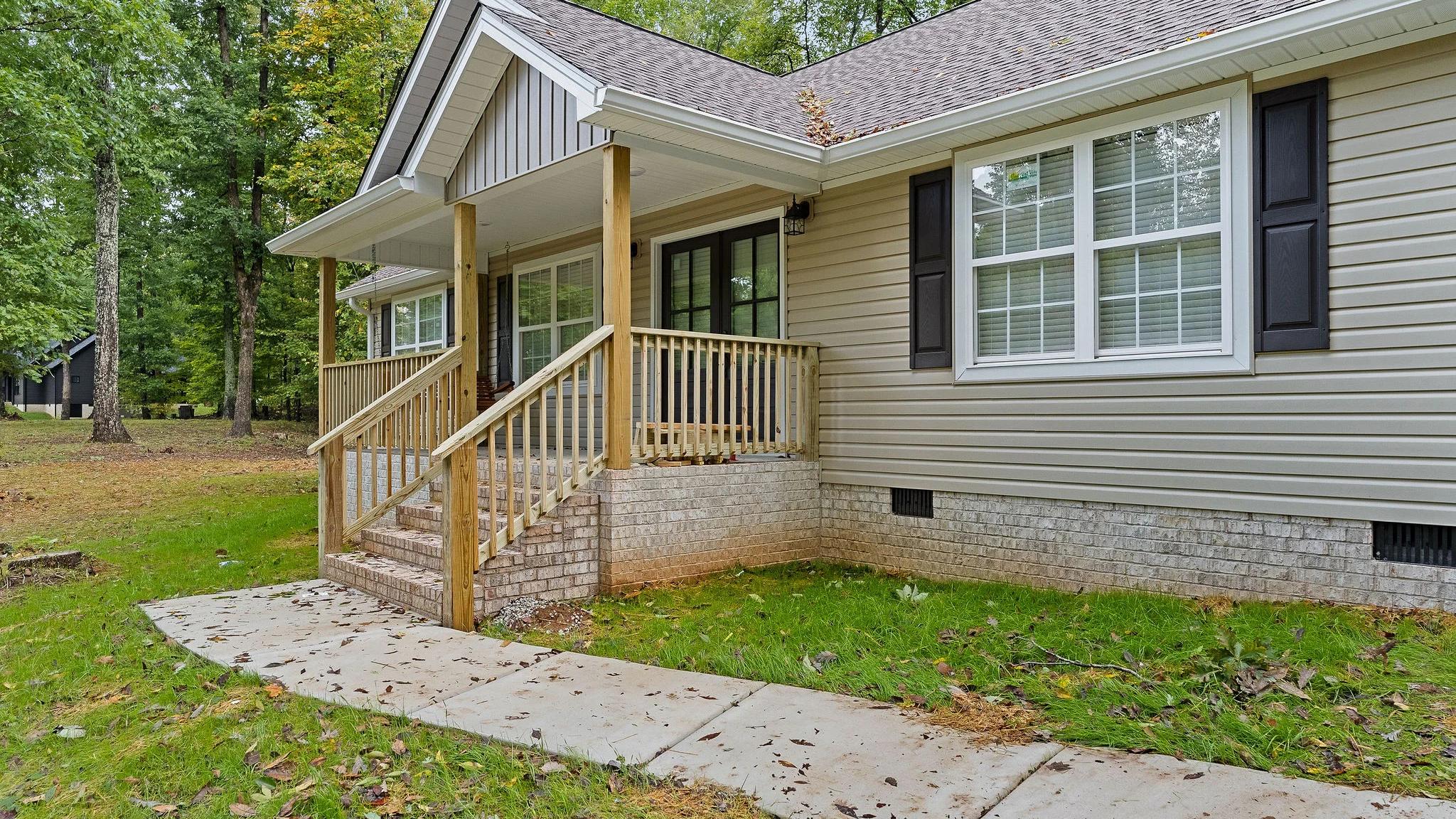
Planning an addition is exciting, but the first question we hear from Smithville homeowners is simple: how long does an addition take? The honest answer is that a home addition timeline in Smithville, TN depends on the type of addition, the condition of your existing home, and how quickly decisions are made on layouts and finishes.
At Crosland Construction (based in Cookeville and building throughout the Upper Cumberland), we schedule additions every week that range from a straightforward garage addition to complex second story builds. The difference between a smooth 12 to 16 week build and a drawn out 7 month project usually comes down to preparation: design clarity, addition permitting timeline, material lead times, and how we plan the construction phases around your family’s daily life.
In this guide, we will walk you through realistic timeframes by addition type (master suite, garage, second story), the step by step construction phases of a home addition, typical lead times for windows, doors, and trusses, and the most common reasons projects slow down. If you are trying to plan around school schedules, work travel, or a new baby, this is the scheduling clarity you need.
What “timeline” really means for a Smithville home addition
When people ask for an addition project schedule, they often picture only the on site construction. In reality, your timeline has five major parts:
- Initial planning and budget alignment (scope, must haves, nice to haves)
- Design and engineering (drawings, structural details, energy requirements)
- Permitting and approvals (the addition permitting timeline)
- Procurement lead times (windows, doors, trusses, specialty items)
- Construction phases (demo, foundation, framing, rough ins, finishes, inspections)
In Smithville and DeKalb County, the permitting and inspection process is usually manageable, but it still adds time. Also, many homes in the area have site specific factors such as sloped lots, rock, older foundations, or mixed framing methods that can require additional engineering and careful tie ins.
From our experience, most well planned additions land in these broad ranges:
- Simple ground level addition (bedroom, office, small bump out): about 10 to 16 weeks of construction, plus pre construction time
- Master suite addition (bedroom plus bath and closet): about 14 to 22 weeks of construction, plus pre construction time
- Garage addition (attached, with or without bonus space): about 10 to 18 weeks of construction, plus pre construction time
- Second story addition: about 20 to 32 weeks of construction, plus pre construction time
The pre construction window (design, permit, ordering) commonly adds 6 to 14 weeks, depending on complexity and selections.
If you are in Smithville, you can also explore our local service area page here: Smithville.
The pre construction timeline: design, permitting, and lead times
Design and planning (2 to 8 weeks)
Design time varies because some homeowners come in with a clear concept and others need help turning ideas into buildable plans.
For a typical addition, we plan for:
- Concept and layout development: 1 to 3 weeks
- Selections that affect layout: 1 to 2 weeks (shower sizes, vanity widths, stair placement, door swings)
- Structural engineering as needed: 1 to 3 weeks
If you want help from the earliest stage, our Home Design & Planning process is built to shorten the overall timeline by locking in details early, not mid build.
Local note: In the Upper Cumberland, we often design around crawlspace access, existing HVAC locations, and rooflines that need to shed water well during heavy rains. Those details matter for both schedule and durability.
Permitting and approvals (2 to 6 weeks)
Your addition permitting timeline depends on the scope and how complete the plan set is when it is submitted.
Common factors that affect permitting speed:
- Whether the addition changes the home’s footprint significantly
- Structural complexity (especially for second story work)
- Septic considerations if bedrooms are added (capacity can be a factor)
- Site plans, setbacks, and any easements
We build schedules that assume permitting takes time, then we use that window to finalize selections and order long lead materials.
Material procurement and lead times (1 to 10+ weeks, overlaps with permitting)
This is the part homeowners underestimate. Even when framing lumber is readily available, certain items can drive the schedule.
Typical lead times for windows, doors, and trusses:
- Windows: often 3 to 8 weeks depending on size, color, and performance package
- Exterior doors: commonly 3 to 8 weeks, longer for specialty glass or custom sizes
- Roof trusses: often 2 to 6 weeks, depending on engineering and plant backlog
- Cabinets and countertops: cabinets often 4 to 10 weeks, stone templating occurs after cabinets are installed
- Special order fixtures: tile, tubs, and shower glass can add 2 to 8 weeks
When homeowners ask what delays a remodel or addition, long lead items are near the top of the list. The best fix is simple: select early and order early.
Construction phases of a home addition (what happens, and when)
Once we break ground, the project moves through predictable construction phases for a home addition. Knowing these phases helps you plan family logistics, deliveries, and the loud or dusty weeks.
Phase 1: Site prep and demolition (3 to 10 days)
We protect existing finishes, set up dust control, and establish access routes. If we are tying into an existing room, we may open exterior walls or remove windows that will become interior openings.
What homeowners can do to help:
- Clear storage areas near the work zone
- Decide where pets will stay during work hours
- Plan parking so trades can access the site
Phase 2: Foundation and underground work (2 to 4 weeks)
Foundation time depends on soil conditions, weather, and the type of foundation.
Typical steps:
- Layout and excavation
- Footings and foundation walls or slab prep
- Waterproofing and drainage details
- Underground plumbing if the addition includes a bathroom
- Inspection checkpoints
Local note: Around Smithville, we sometimes encounter rock during excavation, and that can add time and cost. Heavy rain can also slow excavation and concrete scheduling.
Phase 3: Framing and dry in (2 to 5 weeks)
Framing is when the addition starts to look real. This phase includes:
- Floor system framing (if needed)
- Wall framing
- Roof framing or truss set
- Sheathing, housewrap, and roofing
- Window and exterior door installation
Once the structure is “dried in,” interior work can continue even if weather turns.
Phase 4: Rough ins (2 to 4 weeks)
Rough ins are the behind the walls systems:
- Electrical rough in
- Plumbing rough in
- HVAC rough in (duct runs, equipment sizing)
- Any low voltage wiring
This phase includes inspections. If we are connecting to an older home, we may need to adjust plans based on what we find in existing walls, such as undersized wiring, older plumbing materials, or framing that is not standard spacing.
Phase 5: Insulation, drywall, and interior build out (3 to 7 weeks)
This is where the home starts to feel whole again.
- Insulation and air sealing
- Drywall hang, finish, and prime
- Interior trim and doors
- Flooring
- Cabinets and built ins
- Tile work
- Painting
Tile showers and detailed trim packages can add time, but they also add value and comfort. We would rather schedule them properly than rush them.
Phase 6: Finish install, punch list, and final inspections (1 to 3 weeks)
Final stage includes:
- Fixture and appliance installation
- Final electrical and plumbing trim
- Hardware, mirrors, shower glass
- Final inspections
- Punch list and touch ups
Timelines by addition type in Smithville, TN
Below are realistic ranges we use when building an addition project schedule. These assume a well defined scope and typical lead times. Custom finishes and structural complexity can extend the schedule.
Home addition timeline Smithville TN: master suite addition
Typical timeline: 14 to 22 weeks of construction, plus 6 to 12 weeks pre construction.
What drives the schedule:
- Foundation and tie in to existing structure
- Plumbing rough in and inspections
- Shower waterproofing, tile cure times, and shower glass ordering
- Vanity and cabinet lead times
Real world example from our scheduling experience: If you choose a custom tile shower with a niche, bench, and frameless glass, we plan extra time for waterproofing inspection, tile installation, grout cure, and glass measurement after tile is complete. That is not a problem, but it needs to be on the schedule from day one.
If you are considering a suite that also reworks your existing layout, you may be combining an addition with interior remodeling. In that case, our Home Renovations & Additions service is the right fit.
Garage addition timeline (attached garage, with or without bonus space)
Garages can be straightforward, but they still have key scheduling variables: slab work, overhead door lead times, roof tie ins, and electrical.
Typical timeline: 10 to 18 weeks of construction, plus 4 to 10 weeks pre construction.
Common scope options that affect duration:
- Basic garage shell: faster, fewer finish trades
- Finished garage with drywall and paint: adds time for insulation and finishing
- Garage with a bonus room: adds stairs, HVAC, insulation, and interior finishes
Lead time watch list:
- Overhead garage door size and style
- Windows and exterior doors
- Trusses if the roof design is custom
We also plan carefully for driveway access, especially if you need to keep parking workable during the build.
Second story addition timeline (the longest schedule, the most planning)
Typical timeline: 20 to 32 weeks of construction, plus 8 to 14 weeks pre construction.
Why it takes longer:
- Structural engineering is usually required
- Temporary weather protection planning is critical
- HVAC system changes are common (zoning, new equipment, duct reroutes)
- Stair design affects layout and code compliance
- More inspections and coordination
Family logistics tip: Second story work can be disruptive. We often recommend setting expectations early about noise, dust, and days when certain rooms are not accessible. In some cases, homeowners choose to stay elsewhere for a short window during major tie in work, especially if the existing roof is being opened.
If you are exploring a larger scale transformation, our Residential Construction Services page outlines how we manage complex builds and phased projects.
A sample addition project schedule you can plan around
Every project is unique, but here is a realistic example for a mid sized master suite addition in Smithville:
- Weeks 1 to 4: design development, selections that affect layout, engineering
- Weeks 3 to 6: permit submission and review (overlaps with ordering)
- Weeks 4 to 8: order windows, doors, trusses, long lead fixtures
- Weeks 1 to 2 of construction: site prep, demo, excavation
- Weeks 3 to 5: foundation, underground plumbing, inspections
- Weeks 6 to 8: framing, roofing, windows, dry in
- Weeks 9 to 11: rough electrical, plumbing, HVAC, inspections
- Weeks 12 to 13: insulation, drywall
- Weeks 14 to 18: trim, cabinets, tile, flooring, paint
- Weeks 19 to 20: fixtures, punch list, finals
This kind of schedule gives you something practical to plan around for childcare, work from home arrangements, and big events.
What delays a remodel or addition in Smithville (and how we reduce the risk)
Delays happen in construction, but many are preventable. Here are the most common issues we see and what we do about them.
1) Late selections and change orders
If windows, doors, tile, cabinets, and fixtures are not selected early, ordering gets pushed. That directly impacts the schedule.
How we manage it:
- We push critical selections earlier than most homeowners expect
- We confirm rough in locations only after key items are chosen
- We document changes clearly so you understand time impacts
2) Hidden conditions in older homes
Once walls are opened, we sometimes find:
- Out of date wiring
- Plumbing that needs replacement
- Water damage or rot
- Non standard framing
How we manage it:
- We build contingency time into the plan for tie in work
- We communicate quickly with options and costs
- We prioritize safety and code compliance
3) Weather and site conditions
Heavy rain can slow excavation and concrete. Cold snaps can affect cure times. Rock can slow digging.
How we manage it:
- We schedule weather sensitive tasks strategically
- We use temporary protection and staging plans
- We keep the job moving with interior tasks once dried in
4) Inspection scheduling and trade availability
Even a well planned project can stall if inspections or specialty trades are delayed.
How we manage it:
- We sequence trades carefully and confirm dates ahead
- We schedule inspections as early as allowed
- We maintain relationships with reliable local subs
5) Long lead materials
This is the big one, especially for custom windows, exterior doors, trusses, cabinets, and shower glass.
How we manage it:
- We identify long lead items during planning
- We order as soon as selections are finalized
- We adjust the build sequence when possible to avoid downtime
How to shorten your home addition timeline without cutting corners
If you want the fastest realistic schedule, focus on readiness, not rushing.
Here are the steps that make the biggest difference:
- Define scope clearly. Know what is included and what is not.
- Make early selections. Especially windows, doors, cabinets, tile, and fixtures.
- Decide on living arrangements. Will you stay in the home during construction? If yes, we plan dust control and access routes.
- Plan for inspections. Build in a little buffer for approvals.
- Keep communication tight. Quick answers keep trades moving.
If you are still in the early stage and considering whether an addition is the right move versus building new, we can talk through both paths. Many homeowners compare an addition to starting fresh with New Home Construction, especially if the existing layout no longer fits their needs.
Conclusion: Set expectations early, then build with confidence
As a rule of thumb, plan on 6 to 14 weeks for planning, permitting, and ordering, then 10 to 32 weeks of construction depending on whether you are building a garage, a master suite, or a second story addition. The best way to avoid surprises is to lock in scope early, make key selections up front, and build a schedule that accounts for inspections and deliveries.
If you are planning an addition in Smithville or anywhere in the Upper Cumberland, we would be glad to help you map out a timeline you can actually live with. Start with our Home Renovations & Additions service page, and then reach out so we can talk through your goals, your home, and the schedule that fits your family.
Frequently Asked Questions
Most additions we see in the Smithville area take 10 to 32 weeks of construction, depending on complexity (garage vs. master suite vs. second story). Add 6 to 14 weeks for design, permitting, and ordering long lead materials.


