

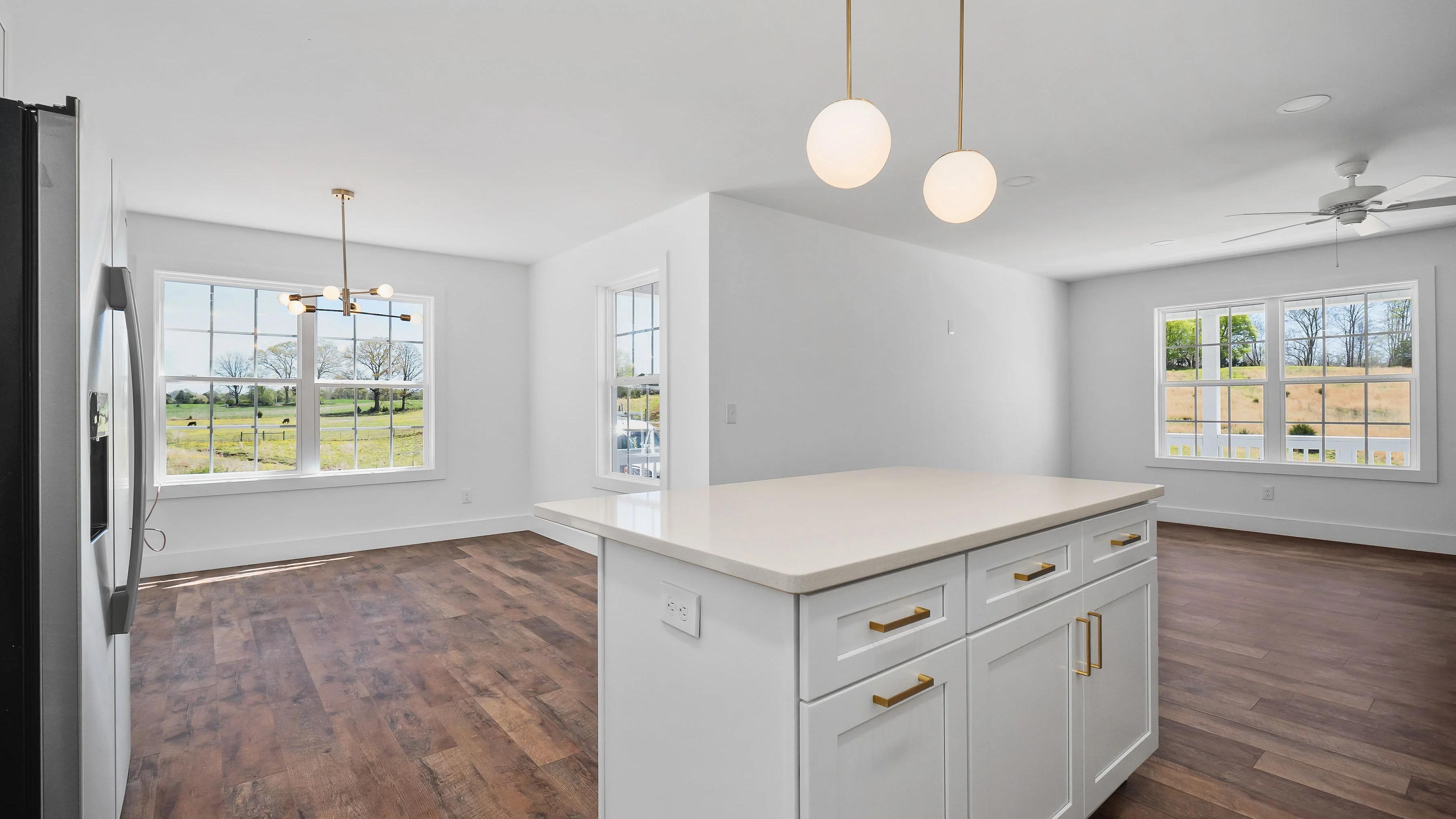
If you are searching for a custom home builder in Cookeville, TN, you are probably excited, and also a little overwhelmed. That is normal. The biggest stress we see at the start is not the design itself, it is uncertainty: What happens after the first call? What will a builder need from us? How do we go from a rough idea and a piece of land to a signed contract and a real schedule?
We build custom homes, renovations, and additions across the Upper Cumberland, and we have learned that a clear preconstruction process saves time, protects budgets, and prevents surprises once work starts. The goal is not to rush you into decisions. The goal is to create clarity around scope, pricing, allowances, and responsibilities so you can move forward with confidence.
In this guide, we will walk you through our typical builder consultation process, including the site visit, early budgeting, plan review, scope clarity, allowances, and what to expect when you are ready to sign. If you want to know how it really works, from estimate to contract, this is the roadmap we use every day in and around Cookeville.
Step 1: The first call, getting aligned before we schedule anything
The first call sets the tone for the entire project. When homeowners reach out because they want to hire a builder in Cookeville, they often think the next step is an on-the-spot estimate. In reality, the best first step is alignment. We want to confirm that your timeline, goals, and project type match what we do best.
Here is what we typically cover on that initial call:
- Project type and goals: Custom home, new home construction, renovation, addition, or a combination.
- Location and service area: We confirm where the project is located and any access considerations. If you are in the city or nearby, our Cookeville service area page is a good reference point.
- Target timeline: Are you trying to break ground this season, or planning for next year?
- Budget comfort zone: Not a commitment, but a realistic range helps us advise you early.
- Land status: Do you already own the lot? Is it under contract? Are utilities nearby?
From experience, the homeowners who feel best later are the ones who share the “why” behind the project. For example, “We want a one-level home so we can age in place,” or “We need a dedicated office and a larger kitchen for hosting.” Those details guide design decisions and budget priorities from day one.
If it looks like a good fit, we move into the next step, a site visit or a plan review, sometimes both.
Step 2: Site visit in the Upper Cumberland, what we look for and why it matters
What we evaluate during a site visit
We are looking at practical factors that affect cost, schedule, and even design:
- Access and driveway grade: Steep or long driveways can add excavation, gravel, drainage, and sometimes retaining.
- Topography and drainage: Water management is not optional. We look at how water naturally moves across the site and where it needs to go.
- Soils and rock: Some lots are straightforward. Others have shallow bedrock that impacts excavation, septic, or foundation choices.
- Utilities: Power, water, gas, and internet availability. If you need a well or longer utility runs, that needs to be accounted for early.
- Septic feasibility: If the property will use septic, you will likely need a soil evaluation and a septic design through the proper channels.
- Sun orientation: This influences window placement, porch comfort, and energy efficiency.
Local reality check: permits and code expectations
Cookeville and Putnam County projects often involve coordination with local permitting requirements, inspections, and code compliance. Even when a home is outside city limits, there are still requirements that affect timelines. We do not treat permitting as an afterthought because delays here can push back your start date.
If you are still selecting a lot, we can often help you avoid costly surprises by doing a quick feasibility look before you close.
Step 3: Budgeting and ballpark pricing, how we build a realistic early number
Most people searching “new home contractor near me” want one thing quickly: a price. We understand that. The challenge is that early pricing must be honest about what is known and what is not.
What we use to create an early budget
Even before final plans are complete, we can build a strong preliminary budget using:
- Square footage and layout complexity (simple rectangles cost less than highly articulated footprints)
- Foundation type (slab, crawlspace, basement)
- Exterior selections (brick, siding, stone accents, roofing type)
- Window and door package level
- Mechanical systems (HVAC type, zoning, efficiency targets)
- Interior finish level (cabinets, countertops, flooring, tile, trim)
- Site development (driveway, clearing, grading, septic, utility runs)
Why “price per square foot” is only a starting point
We will talk about price per square foot if it helps you compare options, but we do not rely on it as the final answer. Two homes with the same square footage can be tens of thousands apart based on:
- ceiling heights and rooflines
- the number of bathrooms and plumbing fixtures
- custom cabinetry vs stock cabinetry
- tile showers vs fiberglass units
- built-ins, beams, and trim details
Our goal in this phase is to give you a budget that is useful for decision-making. If something is out of range, we would rather say it early and help you adjust scope than pretend it will work and create frustration later.
If you are planning a custom build, our Custom Home Building page provides a helpful overview of how we approach personalized projects.
Step 4: Plan review and scope clarity, turning ideas into buildable decisions
Once you have a plan, whether it is from an architect, a designer, or a plan you are modifying, the next step is to make it build-ready. This is where scope clarity matters.
What we review in your plans
We look beyond the pretty renderings and focus on what will be built:
- Structural layout and spans (so framing is efficient and correct)
- Foundation design assumptions (especially for sloped lots)
- Window sizing and placement (cost, energy performance, and lead times)
- Kitchen and bath layouts (plumbing runs and fixture counts)
- Mechanical space planning (room for HVAC, water heater, and ductwork)
- Code considerations (egress, stair geometry, smoke and CO requirements)
Scope clarity, the biggest driver of a smooth build
Scope clarity means we define what is included, what is excluded, and what is still an allowance. It is the difference between:
- “We are doing a covered back porch,” and
- “We are doing a 14x18 covered back porch with a tongue-and-groove ceiling, one ceiling fan, two recessed lights, and stained posts.”
When scope is clear, the pricing is accurate. When scope is vague, budgets drift.
This is also where we help you identify decisions that should be made early because they affect framing, plumbing, or electrical. For example, moving a shower location after rough-in is possible, but it is expensive and disruptive. Making that decision during plan review is far easier.
If you are still in the concept stage, our Home Design & Planning service is built for this phase, helping you connect the dots between lifestyle, layout, and construction reality.
Step 5: Allowances explained, how to avoid surprises in the estimate
Allowances are one of the most misunderstood parts of going from estimate to contract. We treat allowances as a tool, not a loophole.
What an allowance is
An allowance is a budget placeholder for a selection that has not been finalized yet. Common allowance categories include:
- cabinets and hardware
- countertops
- lighting and plumbing fixtures
- flooring
- tile and shower finishes
- appliances (depending on the project)
How we set allowances responsibly
We set allowances based on what homeowners in our area typically choose, and on your stated preferences. If you tell us you want a simple, durable finish package, we will not set luxury-level allowances that inflate your budget. If you show us inspiration photos with premium fixtures and custom tile, we will not pretend standard allowances will cover it.
We also encourage homeowners to do a little pre-selection before contract when possible. Even choosing a general tier, like “mid-range quartz” or “custom inset cabinets,” helps us tighten the numbers.
A practical way to prepare
Before you sign, gather:
- 10 to 15 inspiration photos (kitchen, baths, exterior)
- a short list of must-haves and nice-to-haves
- any specific brands you already love (flooring, fixtures, appliances)
This makes allowance conversations faster, and it reduces the risk of sticker shock later.
Step 6: Proposal and estimate details, what a professional builder should show you
When you receive a proposal, you should be able to understand what you are paying for and why. A good estimate is not just a number, it is documentation.
What we include and clarify
During this stage, we work through:
- line-item scope for major categories (site work, foundation, framing, mechanicals, finishes)
- allowance schedule with clear dollar amounts and what they cover
- assumptions (for example, whether the price includes certain utility runs or specific grading limits)
- exclusions so there are no surprises
- timeline expectations based on current lead times and project complexity
We also talk openly about market realities. Material and labor pricing can shift, and lead times can affect schedules. Being transparent here is part of being a trustworthy contractor.
If your project includes remodeling, additions, or reworking existing spaces, we often recommend reviewing our approach to Home Renovations & Additions. Renovation estimates require extra care because existing conditions can hide surprises behind walls or under floors.
Step 7: Preconstruction details that impact the contract, schedule, selections, and responsibilities
Before contract signing, we want to reduce unknowns. This is the heart of custom home preconstruction.
Timeline and lead times
We create a realistic sequence for:
- permitting and approvals
- long-lead ordering (windows, exterior doors, cabinets, specialty items)
- site work and foundation
- framing and dry-in
- rough-ins and insulation
- interior finishes
In today’s environment, planning early orders matters. Waiting too long to choose windows or cabinets can delay the entire build.
Communication and decision-making cadence
We set expectations for how decisions will be made and documented. For example:
- how often we meet or check in
- how selections are approved
- how changes are priced and scheduled
Homeowners are often balancing jobs, kids, and life, so we try to make the process organized and predictable.
Insurance, safety, and jobsite expectations
We also review practical items like:
- builder’s risk and liability coverage expectations (as applicable)
- jobsite access rules and safety
n- how we protect the home and property during construction
This is not the glamorous part of building, but it is part of running a professional project.
Step 8: Contract signing, what it means and how to feel confident before you sign
Signing a contract should feel like a relief, not a leap of faith. By the time we get to this step, the major decisions should be defined, and the remaining allowances should be clearly documented.
What a solid contract should accomplish
- project scope and specifications
- pricing structure and payment schedule
- allowance schedule
- change order process
- start and completion expectations (with realistic flexibility)
- warranty and workmanship standards
We also encourage homeowners to take time to read everything. If you have questions, ask them before signing. A transparent builder expects questions.
Questions to ask a home builder before signing
This is not an FAQ section, but these are the conversations we believe every homeowner should have:
- What assumptions are built into this price?
- What selections are still allowances, and what is fixed?
- How are changes handled, and how quickly do costs get communicated?
- Who is my point of contact during construction?
- What is the realistic timeline based on current workload and lead times?
If you are building outside Cookeville, the process is similar, but site logistics can change. We regularly work with homeowners throughout the region, including areas like Sparta, where land, access, and utilities can differ lot to lot.
How to prepare before you call, a homeowner checklist that saves time and money
If you want the smoothest path from consultation to contract, preparation helps. You do not need every answer, but a few basics make the first meetings far more productive.
Here is what we recommend gathering:
- Your lot information: address or parcel number, any surveys, and what you know about utilities.
- A rough wish list: bedrooms, bathrooms, garage size, and must-have spaces.
- Inspiration photos: exterior style, kitchen vibe, bath finishes.
- A target budget range: even a wide range helps guide options.
- A timeline goal: are you trying to move in by a certain month, or just “as soon as practical”?
If you already have plans, send them. If you do not, that is fine too. We can still talk through feasibility and next steps.
Why our consultation process is built this way
We have seen what happens when homeowners skip preconstruction clarity. The project may still get built, but it usually comes with stress, budget creep, and preventable delays.
Our process is designed to do three things:
- Protect the budget by clarifying scope and setting realistic allowances
- Protect the schedule by identifying long-lead items and site constraints early
- Protect the relationship by communicating clearly and documenting decisions
Whether you are planning a full custom build, a major renovation, or an addition, the same principle applies: the more we define up front, the smoother construction goes.
If you want to learn more about the range of work we do, visit our Residential Construction Services page.
Conclusion: From first call to contract, clarity is the real milestone
Choosing a custom home builder in Cookeville, TN is a big decision, and the early steps matter as much as the build itself. When you know what to expect, from the site visit and early budgeting to plan review, scope clarity, allowances, and contract signing, you can make decisions with confidence instead of pressure.
If you are ready to take the next step, we would be glad to talk through your goals and help you understand what your project will realistically take. Explore our New Home Construction service page, then reach out when you are ready to move from ideas to a clear plan and a contract you understand.
Frequently Asked Questions
Most projects take a few weeks to a couple of months from first call to contract, depending on how complete your plans are, how quickly selections are made, and whether site due diligence (survey, septic evaluation, permitting) is needed. If you already own the lot and have build-ready plans, the timeline is typically faster. If you are still selecting land or refining design, we recommend allowing more time so the contract reflects real scope and realistic allowances.


