

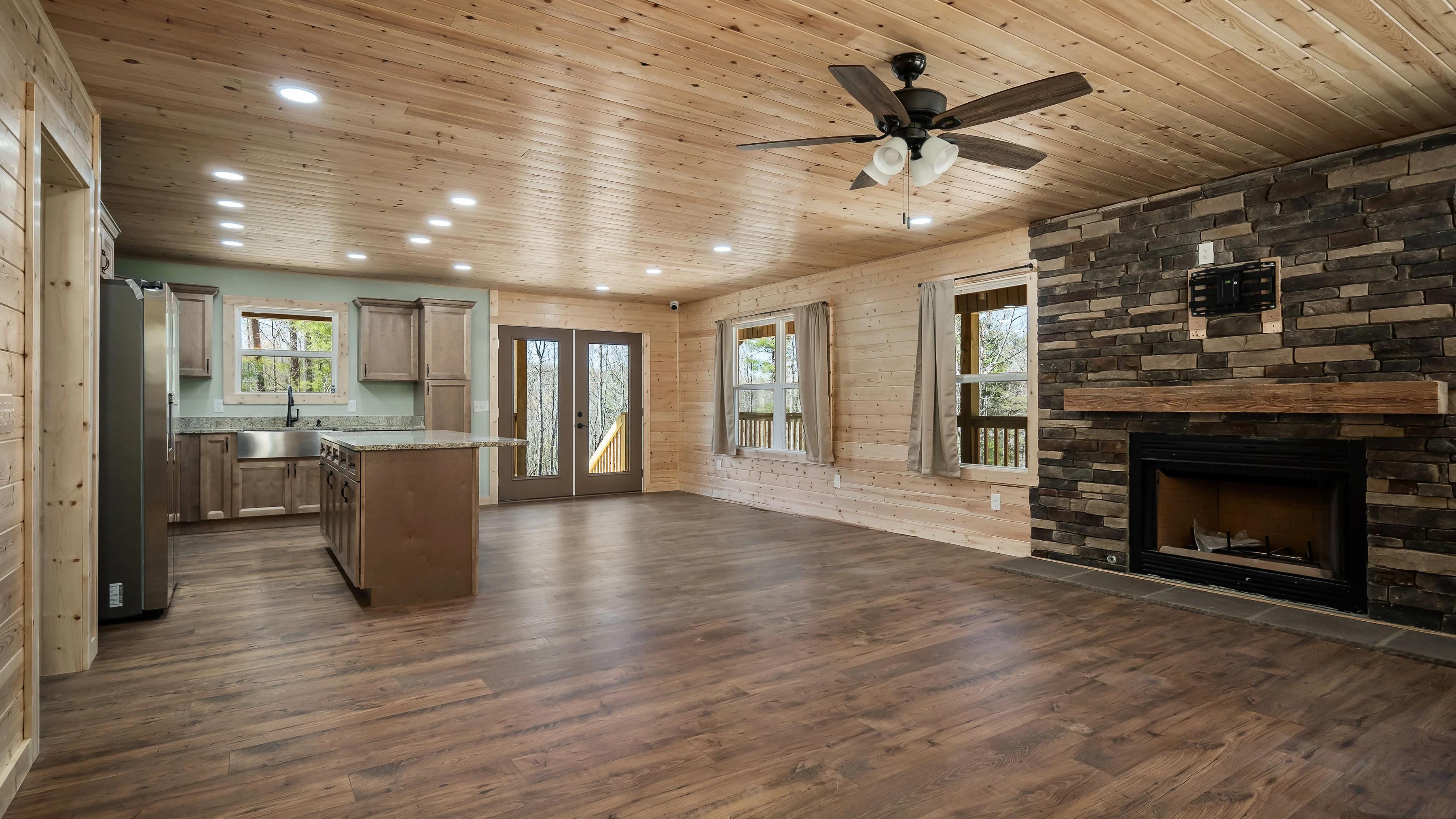
If you are planning a build, renovation, or addition in Warren County, it helps to know exactly what you are hiring for. When homeowners search for a general contractor McMinnville TN, they are usually looking for more than a crew with tools. They want someone who can lead the entire process, protect the budget, keep the schedule moving, and make sure the finished work is safe, code-compliant, and built to last.
At Crosland Construction, we are based in Cookeville and build throughout the Upper Cumberland, including McMinnville. We have seen how quickly a project can go sideways when the scope is unclear. Materials arrive late, trades overlap, inspection steps get missed, and homeowners feel like they are chasing updates. A good general contractor prevents those problems by managing the project from pre-construction planning through final punch list.
In this guide, we will break down what does a general contractor do, day to day and week to week. We will cover scheduling, subcontractor management, permits, budgeting, quality control, and communication, plus what you should expect from your contractor each week so you feel informed and in control.
What a General Contractor Really Does (Beyond “Managing the Build”)
When homeowners hear “GC,” they often picture someone who is only on-site occasionally. In reality, strong construction project management is constant, even when you do not see it. We are coordinating deliveries, confirming trade availability, clarifying plan details, documenting changes, and ensuring each phase is ready before the next one begins.
Here is what that typically includes on a McMinnville-area residential project:
- Pre-construction planning (scope, budget ranges, timeline, feasibility)
- Trade partner selection and subcontractor scheduling
- Permit coordination and inspection readiness
- Material procurement and lead time tracking
- Jobsite safety and site logistics
- Quality control checklist and punch list management
- Homeowner communication and change order documentation
Depending on the project, we may also help with design coordination. For clients who want help aligning layout, selections, and buildability, we often start with Home Design & Planning so the project is set up for fewer surprises once construction begins.
Scheduling and Sequencing: The Backbone of Construction Project Management
One of the biggest values a general contractor brings is sequencing work in the right order, with the right time buffers, and with realistic expectations. Residential construction is not a single task, it is a chain of interdependent steps. If one link slips, everything after it can be delayed.
How we build a schedule homeowners can actually use
- Scope and complexity (new build vs. addition vs. renovation)
- Lead times for windows, cabinets, trusses, HVAC equipment, and specialty finishes
- Trade availability in the region
- Inspection milestones (foundation, framing, rough-in, insulation, final)
- Weather risk for sitework and exterior phases
In McMinnville and surrounding areas, weather swings and clay-heavy soils can affect grading, footing excavation, and concrete timing. We plan for that by building in realistic durations and by keeping an eye on upcoming forecast windows for pours and exterior work.
What subcontractor scheduling looks like in real life
Subcontractor scheduling is more than calling the next trade when the last one leaves. A GC has to confirm that:
- The prior phase is truly complete and ready
- Materials are on-site (or arriving before the crew)
- The jobsite is accessible and safe
- The scope for that trade is clearly defined
- Any inspection that must happen first is scheduled and passed
If you are considering a full build rather than a remodel, our New Home Construction process is designed around these milestones so you always know what phase you are in and what is next.
Subcontractor Management: Coordinating the Specialists Who Build Your Home
Most residential projects are built by a team of specialized trade partners. Carpenters, electricians, plumbers, HVAC technicians, roofers, masons, painters, and flooring installers all have different scopes, timelines, and requirements. The GC is responsible for making that team function like a single unit.
How we select and manage trade partners
Homeowners often ask if they should hire their own subs. Sometimes that can work, but it usually creates gray areas in responsibility. When we manage the project, we prefer to work with trade partners we know and can hold accountable for quality and scheduling.
Our subcontractor management includes:
- Clear scopes of work so everyone knows what is included
- Coordination meetings and site walkthroughs before critical phases
- Verification of insurance and licensing when applicable
- Schedule confirmation and re-confirmation as the job progresses
- Quality checks before a trade leaves the site
Preventing trade overlap and jobsite conflicts
For example, if painters start before trim is fully prepped, you can end up with visible defects that show up after final coat. If flooring goes in before humidity is stable, you can see movement later. We coordinate timing and site conditions so trades can do their best work.
This is especially important on renovations and additions where you may be living in the home. If you are planning that type of project, our Home Renovations & Additions approach focuses on phasing, dust control, and clear communication so your household can function during construction.
Permits, Inspections, and Local Coordination in McMinnville
Permit coordination is one of the most misunderstood parts of the GC role. Many homeowners assume permits are just paperwork. In reality, permits and inspections are a structured safety system that protects you, future buyers, and the community.
What permit coordination typically includes
On a typical residential project, a GC helps:
- Identify which permits apply to your scope
- Gather required documents (plans, site plan, specs, energy details)
- Submit applications and respond to questions
- Coordinate inspection timing so crews are not waiting
- Confirm approvals before closing in walls or moving to the next phase
Local requirements can vary by project type and exact location. McMinnville projects may also involve coordination with utilities, driveway access considerations, and site drainage planning. If your property is outside the immediate city area, there can be additional considerations for septic, well, or long driveway access.
Why inspections affect your schedule and budget
Inspections are not just a checkbox. They are schedule gates. If an inspection is missed or fails, the next trade may be delayed, and rework costs can follow.
We build inspection readiness into the schedule and do internal checks first. That way, when the inspector visits, the work is complete, accessible, and documented.
Transparent note: we cannot control every inspection calendar or weather delay, but we can control preparation, coordination, and communication so you are not left guessing.
Budgeting, Bids, and Change Orders: Keeping Costs Predictable
Budget management is one of the most important parts of hiring a GC, especially for homeowners new to construction. A good contractor does not just quote a number. We help you understand what drives cost, where allowances sit, and how changes are handled so you can make confident decisions.
What a GC does during estimating and budgeting
Solid budgeting includes:
- Defining the scope in plain language
- Identifying hidden cost drivers (sitework, structural changes, utility runs)
- Confirming material selections that impact pricing (windows, cabinets, flooring)
- Building realistic allowances when final selections are not made yet
- Reviewing options to value-engineer without sacrificing durability
In the Upper Cumberland, sitework is often the wildcard. A lot can depend on slope, rock, drainage, and access. We try to address those early with good information, because surprises in excavation and grading can be expensive.
Change orders should be normal, but never casual
Most projects change. The key is how changes are managed.
We treat change orders as a documented process:
- Define the change clearly (what is being added, removed, or modified)
- Price it with labor, materials, and schedule impact
- Get written approval before proceeding
- Track it so the final cost is not a mystery
This is one of the clearest indicators of professional construction project management. If a contractor is making changes verbally without documentation, it can lead to disputes and budget creep.
If you are starting from scratch and want a clearer path from concept to cost, our Custom Home Building process is built around early planning and clear decisions so you are not forced into rushed selections later.
Quality Control: How a GC Protects Your Home Long After Move-In
Quality control is not just noticing crooked trim at the end. It is a system of checks throughout the build so problems are caught when they are easiest to fix.
When people search for “quality control checklist,” they are usually worried about two things: cosmetic issues they can see, and hidden issues they cannot.
Our quality control checklist, phase by phase
While every project is different, here are examples of what we check:
Sitework and foundation
- Footing and foundation dimensions match plans
- Anchor bolts and hold-downs placed correctly
- Drainage and waterproofing details installed as specified
Framing
- Walls plumb and openings sized correctly
- Load paths and beam pockets correct
- Sheathing and fastening patterns consistent
Rough-ins (plumbing, electrical, HVAC)
- Proper clearances and protection plates where needed
- Mechanical runs planned to avoid future service issues
- Bath fan and dryer venting routed correctly to exterior
Insulation and air sealing
- Coverage meets plan and code requirements
- Air sealing at penetrations and top plates addressed
Finishes
- Tile layout and waterproofing methods verified
- Cabinet installation level and secure
- Trim, paint, and flooring transitions clean and consistent
Why quality control is also about durability
Some of the most important quality items are not glamorous. Flashing details, moisture management, ventilation, and proper fastening matter more than trendy finishes. In Tennessee, humidity and heavy rains make moisture control and drainage details especially important.
We also document progress with photos and notes so you have a record of what is behind the walls. That is helpful for maintenance, future upgrades, and peace of mind.
Communication: What Homeowners Should Expect Weekly
Homeowners often tell us the hardest part of construction is not the noise or dust. It is uncertainty. A general contractor should reduce that uncertainty with consistent communication.
A realistic weekly update cadence
On most projects, homeowners should expect:
- A weekly summary of what was completed
- A look-ahead at what is planned next week
- A list of decisions needed (selections, approvals, clarifications)
- Schedule notes about inspections, deliveries, or trade changes
- Budget notes if any changes were approved or are pending
If you are living in the home during a renovation or addition, we also communicate:
- Which areas will be inaccessible
- When water or power interruptions may occur
- What protection steps are being used (floor protection, dust barriers)
What you should not have to do as the homeowner
- Track down subcontractors for updates
- Wonder if permits are in place
- Manage material deliveries
- Mediate disputes between trades
- Guess whether work is being inspected
Your role should be decision-maker, not project manager. That is the core of what does a general contractor do for you.
A Real-World Example: How the GC Role Prevents Costly Rework
Here is a scenario we see often in residential work.
- Walking the space carefully during planning
- Flagging structural questions early
- Coordinating design and engineering needs before demo
- Sequencing trades so structural work is completed and inspected before mechanical rough-ins
That is the difference between reacting to problems and managing the project.
How to Vet a General Contractor in McMinnville Before You Hire
Choosing a contractor is a trust decision. Here are practical ways to evaluate whether a GC is set up to manage your project well.
Look for process, not just personality
You should hear clear answers about:
- How scheduling is built and updated
- How subcontractor scheduling is handled
- How permit coordination works
- How change orders are documented
- What quality checks happen before inspections and before final
Ask what communication looks like
- Who your main point of contact is
- How often you will receive updates
- How selections and approvals are tracked
- How issues are documented and resolved
Confirm the contractor understands your project type
If you are comparing options for a broader set of build needs, you can also review our Residential Construction Services to see the types of projects we manage across the region.
Conclusion: The GC’s Job Is to Make Construction Feel Manageable
If you are planning a new home, a custom build, or a renovation in McMinnville, we would be glad to talk through your goals and explain what the process could look like for your property. Start by exploring our Home Design & Planning or Home Renovations & Additions pages, then reach out through our website to schedule a consultation.
Frequently Asked Questions
Most homeowners should expect at least one meaningful weekly update that covers progress, what is next, decisions needed, and any schedule or budget impacts. Some phases may require more frequent check-ins when selections or inspections are time-sensitive.


