

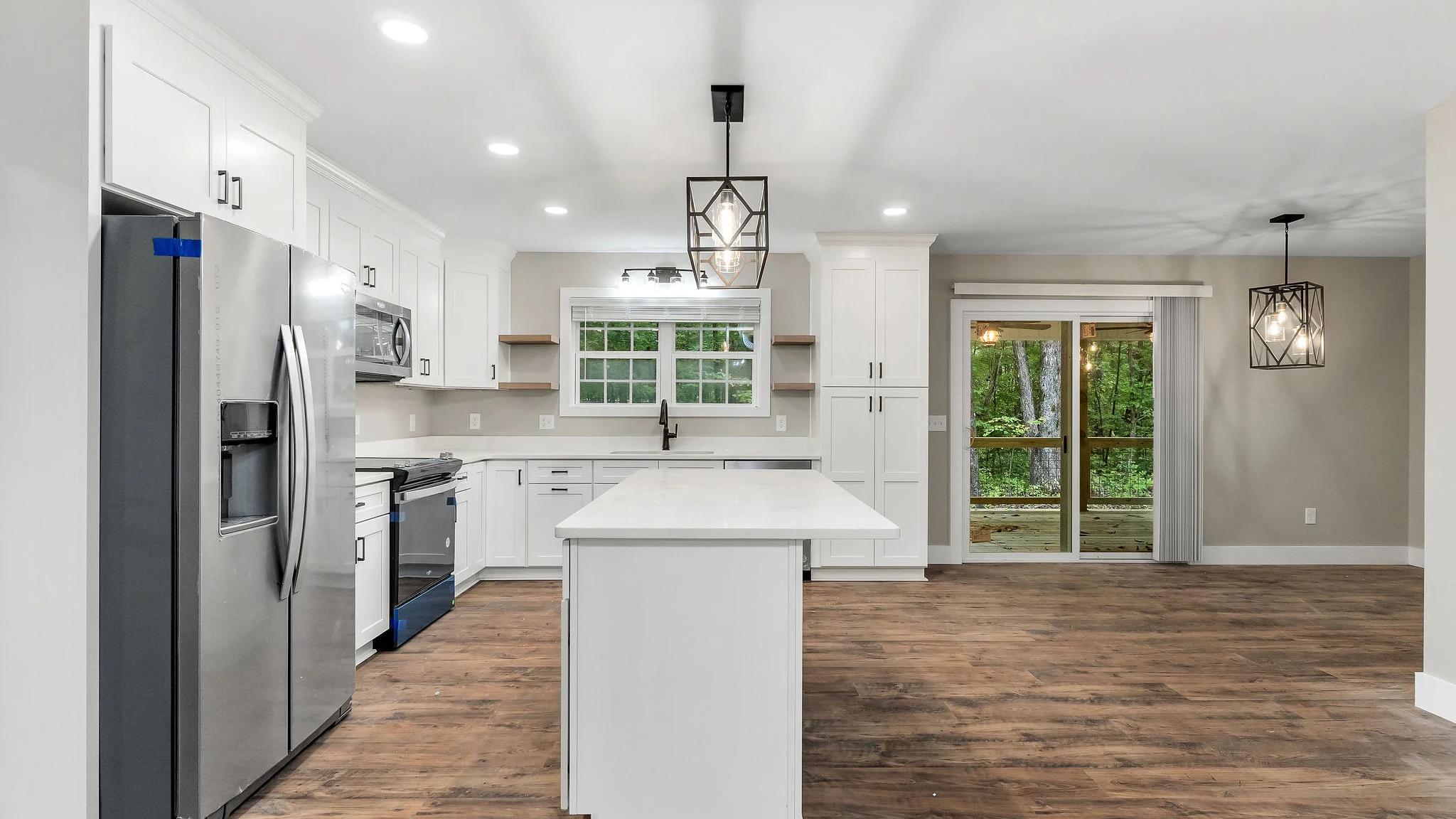
If you are thinking about residential construction in Cookeville, TN, the hardest part is often not choosing finishes or picking a floor plan. It is simply getting started. Most homeowners want a clear number, a realistic timeline, and a contractor who communicates well. What they do not want is a long, confusing process that feels like a sales pitch.
We built this guide to make “get a construction estimate Cookeville” as low-friction as possible. You will learn what information helps us price your project accurately (photos, rough measurements, goals, and constraints), what happens after you reach out, and how we approach planning so you can make confident decisions. Whether you are requesting a home renovation estimate, a custom home estimate, or an addition estimate, the steps are similar. The better the starting details, the faster we can give you real direction.
We are based in Cookeville and work throughout the Upper Cumberland. We know local site conditions, typical permitting pathways, and the kinds of construction details that matter in our area, from sloped lots to drainage and moisture management. Here is how to prepare, what to expect, and how to move from “I have an idea” to a clear plan and a solid estimate.
Why accurate estimates matter in Cookeville residential construction
- Confirm feasibility: Is your wish list realistic for the space, the lot, and the budget?
- Prioritize scope: If the budget is tight, what changes deliver the biggest impact?
- Reduce surprises: The more we clarify assumptions up front, the fewer change orders you see later.
- Plan timing: Renovations and additions affect daily life. New builds affect financing, temporary housing, and move-in dates.
In Cookeville and the surrounding area, we also see cost variables that can swing a project if they are not discussed early. Examples include driveway length and slope, septic versus sewer, rock excavation, utility runs, and the condition of existing framing in older homes. When we talk through these items early, your home renovation estimate or custom home estimate becomes far more dependable.
We also believe it is important to be transparent about what an early estimate can and cannot do. A ballpark range can be helpful for deciding whether to proceed, but a detailed estimate depends on clear scope, selections, and site information. Our goal is to move you from a rough idea to a clear, buildable plan without wasting your time.
What to gather before you request an estimate
You do not need perfect documents to start. A few organized details can dramatically improve accuracy and speed. Below is what we recommend gathering before you contact us.
1) Photos and video (the fastest way to show existing conditions)
For renovations and additions, photos often answer questions that take multiple calls to clarify.
Send:
- Wide shots of each area involved
- Close-ups of problem spots (cracks, water staining, sagging floors, damaged siding)
- Photos of the electrical panel, HVAC equipment, and water heater if they are relevant
- Exterior shots showing rooflines, foundations, and where an addition might connect
- A short walkthrough video, narrated with what you want to change
If you are seeking an addition estimate, include exterior angles that show setbacks, neighboring structures, and grade changes. If you are preparing a home renovation estimate, show the areas that will remain and the areas that will be opened up.
2) Rough measurements (enough to establish scale)
We do not expect homeowners to measure like a builder, but approximate dimensions help us avoid guessing.
Helpful measurements include:
- Room length and width
- Ceiling height (8 feet, 9 feet, vaulted, etc.)
- Window and door counts, plus approximate sizes
- For additions, the approximate footprint you want (for example, 16 by 20)
If you have any of the following, include them:
- A real estate listing floor plan
- Existing house plans
- A survey or plat
- Septic permit information (if applicable)
3) Your goals, priorities, and “must-haves”
We price projects more accurately when we understand what success looks like for you.
Write down:
- What you want to change and why (function, layout, energy efficiency, accessibility)
- Your top three priorities (for example, larger kitchen, better storage, more natural light)
- Your “must-haves” versus “nice-to-haves”
- Any materials you feel strongly about (hardwood, tile, quartz, specific siding)
This matters because two projects with the same square footage can have very different costs depending on complexity and finish level.
4) Budget range and timeline constraints (yes, it helps)
Many homeowners hesitate to share a budget range. We understand why. But in practice, a budget range helps us guide you toward options that fit, instead of proposing a plan that misses the mark.
If you have timing constraints, share them early:
- Upcoming life events (new baby, job change, move-in date)
- School-year considerations
- Financing deadlines
In the Upper Cumberland, weather can affect certain phases of work, especially site prep, concrete, and exterior finishes. A good estimate includes a realistic schedule discussion, not just a cost.
5) Property and site details (especially for new builds)
If you are requesting a custom home estimate or new build pricing, site conditions are a major variable.
Share what you know about:
- Lot address and access
- Slope and drainage patterns after heavy rain
- Utilities (water, sewer, electric, gas, internet)
- Septic needs and soil considerations
- Any HOA requirements
If you are in a more rural area outside Cookeville, utility runs and driveway length can meaningfully affect costs. If you are in town, permitting and inspections may move differently than in outlying communities.
For new builds, you can explore our New Home Construction and Custom Home Building pages to see how we typically structure the process.
The easiest way to request an estimate (and what we do with your info)
Homeowners often ask what happens after they reach out. Here is the typical flow we follow so you know what to expect.
Step 1: Quick project overview and fit check
We start with a short conversation to understand:
- Project type (renovation, addition, custom home, or a mix)
- General scope and priorities
- Location and service area
- Timeline and any constraints
This is also where we answer early questions and clarify whether your project needs design support, engineering, or site evaluation before we can price it accurately.
If you are located in Cookeville or nearby, we can typically move quickly into the next step.
Step 2: Site visit or consultation (when it is needed)
For most renovations, additions, and custom builds, a site visit is the turning point where assumptions become real.
During a visit, we look at:
- Structure and framing direction (what is load-bearing and what is not)
- Mechanical systems and potential conflicts (ductwork, plumbing stacks, panel capacity)
- Access and staging (where materials will be stored, where dumpsters can go)
- Exterior tie-ins for additions (rooflines, drainage, siding transitions)
In Cookeville, we also pay attention to moisture management details that are easy to miss in early planning, like how downspouts discharge, where water collects, and how grade changes affect foundations.
Step 3: Scope clarification and preliminary pricing
Once we understand the project, we clarify scope in plain language. This is where we identify the big cost drivers.
Examples of cost drivers we will talk through:
- Moving plumbing versus keeping it in place
- Removing walls that may be structural
- Custom cabinetry versus stock or semi-custom
- Window changes that require header modifications
- Tile complexity (large-format, niches, curbless showers)
If you are seeking a home renovation estimate, we will often propose options that hit different budget levels while keeping the core goals intact.
Step 4: Planning, selections, and a more detailed estimate
Accurate estimates depend on decisions. If you want a tight number, we need a clear scope and at least baseline selections.
That is why many projects move from preliminary pricing into a planning phase where we align:
- Layout and drawings
- Structural needs (engineering if required)
- Permit requirements
- Finish levels and key product selections
You can learn more about how we support this step on our Home Design & Planning page.
Step 5: Proposal, schedule, and next steps
Once scope is clear, we provide a proposal that reflects the real work involved. We also discuss schedule sequencing and how we will protect your home during construction.
If you decide to move forward, we set expectations around communication, change management, and what you will see week to week.
What makes a renovation or addition estimate more accurate
If you have ever heard, “We will know once we open the walls,” you have heard a partial truth. Existing homes do carry unknowns. But there are proven ways to reduce surprises.
Start with a clear scope boundary
One of the most common issues we see is scope creep caused by unclear boundaries.
For example:
- A kitchen remodel that quietly includes new flooring in adjacent rooms
- A bathroom renovation that turns into a full plumbing rework
- An addition that triggers exterior siding replacement to match
We help you define what is in and what is out, so your addition estimate reflects reality.
Identify “hidden condition” risk areas early
In the Upper Cumberland, we regularly find issues that affect cost and schedule:
- Water damage around windows and doors
- Subfloor deterioration near bathrooms and laundry rooms
- Out-of-date wiring or undersized panels
- DIY modifications that are not code-compliant
We cannot see everything without selective demolition, but we can flag likely risk areas and talk about contingency planning. That is part of being trustworthy. We would rather tell you what could happen than pretend it cannot.
Understand permitting and code considerations
We follow applicable building codes and permitting requirements. For most structural changes, additions, and many major renovations, permits and inspections are part of the process.
Even when homeowners are eager to move fast, skipping the right steps can create problems later, especially when you sell the home or file an insurance claim. A solid estimate accounts for permit-related steps and inspection timing.
If you are planning a significant remodel, our Home Renovations & Additions page is a good starting point for understanding what we handle.
What to expect when you hire a residential contractor in Cookeville
If you are ready to hire a residential contractor in Cookeville, the estimate phase is also when you should evaluate the contractor. Pricing matters, but the process matters too.
Communication and documentation should feel clear
We believe homeowners deserve a process that is easy to follow.
You should expect:
- Clear scope language, not vague allowances everywhere
- A realistic timeline discussion, including what can cause delays
- Straight answers about trade-offs and alternatives
- A plan for how changes will be handled after work begins
If a contractor cannot explain the estimate clearly, it usually does not get clearer later.
A good contractor helps you make decisions, not just pick finishes
Most budget overruns are decision-related, not contractor-related. The estimate process should help you make smart calls early.
We often guide homeowners through choices like:
- Keeping the existing footprint versus expanding
- Choosing durable mid-range finishes where it matters most
- Phasing a project (for example, addition now, kitchen later)
You should see respect for your home and your time
For occupied renovations, planning is part of the estimate conversation.
We will talk through:
- Work hours and noise expectations
- Dust control and floor protection
- Temporary kitchen or bathroom setups
- Pet and child safety
These details are not fluff. They are what make a renovation livable.
Planning for a custom home estimate in Cookeville and the Upper Cumberland
New builds are exciting, but they also involve more variables than most homeowners expect. A custom home estimate is most accurate when we align the design, the site, and the selection level.
Site work can be a major cost driver
In this region, site work can vary widely. Two lots that look similar online can have very different realities once you are on site.
Common cost variables:
- Rock and excavation conditions
- Driveway length, culverts, and drainage
- Retaining walls on sloped lots
- Utility trenching and service upgrades
If you already own land, share any information you have. If you are still shopping, we can often give you guidance on what to look for so you do not buy a lot that fights your budget.
Floor plan complexity affects framing and labor
Design elements that typically increase cost:
- Multiple roof intersections and valleys
- Large spans that require engineered beams
- Extensive custom trim packages
- Many bump-outs and complex exterior shapes
We are happy to build high-end details, but we want you to understand where your money is going.
Selections should match the estimate
To keep your custom home estimate aligned, we encourage you to decide early on:
- Flooring type and general price tier
- Cabinet style and construction level
- Countertop material
- Window performance level
- Exterior materials (brick, siding, stone accents)
If you want to learn more about our approach to building from the ground up, visit our Residential Construction Services page.
A real-world example of how we guide estimate decisions
Here is a common scenario we see in Cookeville.
When we look closer, we may find that:
- The wall they want to remove is load-bearing, so we need a properly sized beam and supports.
- The HVAC supply run is in the soffit that would be removed, so ductwork needs re-routing.
- The electrical panel is near capacity, so the remodel may require upgrades to meet current needs.
None of this is a reason to stop the project. It is a reason to plan it correctly. We walk through options, such as keeping the wall but widening the opening, adjusting the pantry location, or phasing electrical upgrades. That is how an estimate becomes a roadmap, not a surprise.
How to send us the right details for a faster estimate
If you want the simplest path to an estimate, here is a quick checklist you can copy into an email or notes app.
Renovation or addition estimate checklist
- Address and neighborhood
- A short description of what you want to change
- Photos and a walkthrough video
- Rough room measurements
- Any known issues (leaks, settling, outdated wiring)
- Budget range and timing goals
Custom home estimate checklist
- Lot address or general area
- Survey or plat if available
- Utility info (water, sewer, electric)
- Desired square footage and style inspiration
- Must-haves and finish level expectations
- Target start date
If you are outside Cookeville, we still may be able to help. We regularly work throughout the region, including Sparta and Crossville, and we can tell you quickly whether your location and scope are a good fit.
Conclusion: Get a construction estimate in Cookeville with a clear plan
Requesting an estimate should feel straightforward. If you gather a few key details, photos, rough measurements, goals, and site information, we can give you much more useful guidance from the start. Whether you need a home renovation estimate, an addition estimate, or a custom home estimate, the best results come from clear scope and thoughtful planning.
If you are ready to talk through residential construction in Cookeville, TN, we would be glad to help you take the next step. Explore our Home Renovations & Additions or Custom Home Building services, then reach out with your project details so we can schedule a consultation and start building a clear, accurate estimate.
Frequently Asked Questions
The fastest path is photos or a walkthrough video, rough measurements, your goals and must-haves, the project address, and any documents you have (plans, survey, or listing floor plan). For additions and new builds, site details and utilities also matter.


