

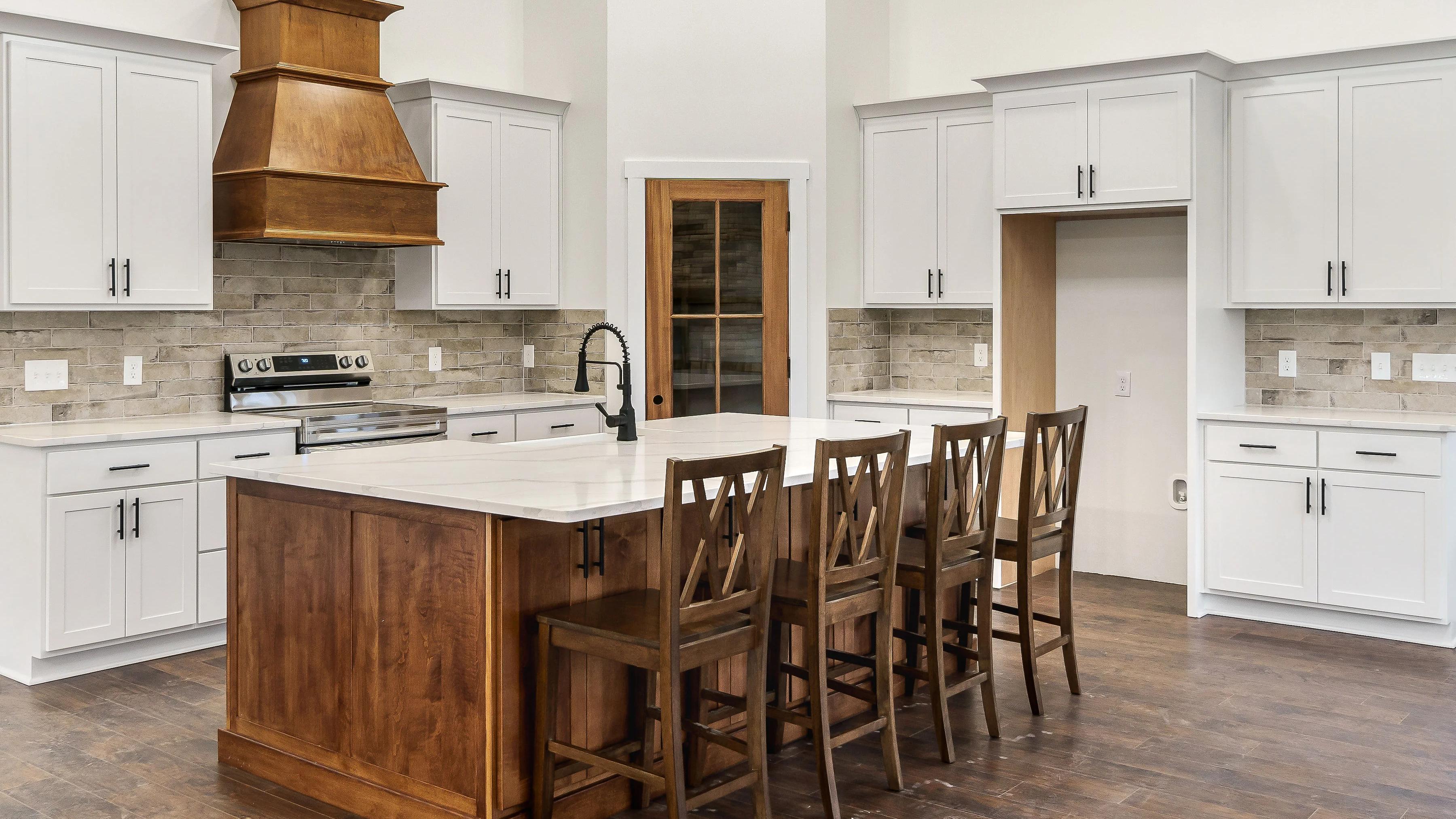
Planning a kitchen remodel is exciting, but it is also where most delays and budget surprises are created. In our experience building and renovating homes across the Upper Cumberland, the smoothest projects start with clear kitchen remodel planning: a layout that fits how you live, a realistic kitchen renovation budget, and selections made early enough that cabinets, appliances, and trades can stay on schedule.
We are based in Cookeville, and we see the same pain points over and over. Homeowners fall in love with a cabinet line that has a 10 to 14 week lead time, order appliances after the rough-in, or change the sink after countertops are templated. None of those are “bad decisions”, but they can add weeks and extra cost.
This guide walks you step by step through layout decisions, budget ranges, a cabinet selection timeline, and the most common countertops cost drivers. You will also get a remodel planning checklist you can use before you ever swing a hammer.
Step 1: Define your goals and constraints before you touch the layout
Start with how you live (not what is trending)
Ask practical questions and write the answers down:
- Do you cook most nights or is the kitchen more of a gathering space?
- How many people cook at the same time?
- Do you entertain, and if so, do guests hang out at the island or in an adjacent living area?
- Do you need homework space, coffee station space, or a pantry that actually holds bulk items?
- What storage frustrates you today (pots, baking sheets, trash, small appliances)?
Identify constraints early (they drive cost)
Constraints are not bad, but they shape the plan and the budget.
Common constraints in Upper Cumberland homes include:
- Load-bearing walls in older ranches and split-levels. Removing or opening them requires engineering and a properly sized beam.
- Slab-on-grade plumbing in some neighborhoods, where moving a sink or adding a pot filler can get expensive.
- HVAC supply and return locations that can limit where tall cabinets or a pantry wall can go.
- Electrical capacity. Induction ranges, double ovens, and EV chargers can push service upgrades.
If your remodel includes structural changes or a larger footprint, our Home Renovations & Additions team can help you evaluate what is feasible and what is worth the investment.
Step 2: Choose a layout that matches workflow and protects clearances
Layout is where function is won or lost. It is also where “small” changes can create big ripple effects in framing, plumbing, electrical, and cabinet design.
The work zones that matter most
Instead of focusing only on the old “work triangle,” we plan around zones:
- Prep zone (largest counter space, knives, trash, mixing bowls)
- Cooking zone (range, ventilation, spices, oils)
- Cleanup zone (sink, dishwasher, trash, recycling)
- Cold storage zone (refrigerator, freezer, pantry)
- Serving zone (island seating, beverage fridge, microwave drawer, plates)
When these zones overlap in the wrong way, you feel it every day. A common issue is placing the dishwasher so it blocks the main walkway when open. Another is putting the refrigerator door swing into the island seating.
Kitchen layout ideas, with pros and cons
Here are the most common layouts we build, plus what to watch for.
L-shaped kitchens
Best for: open concepts, flexible islands, medium to large rooms.
Watch for: corner cabinet storage. Plan for a lazy Susan, pull-outs, or a blind corner solution so you do not lose usable space.
U-shaped kitchens
Best for: serious cooking, lots of counter space, clear zones.
Watch for: aisle width. If the aisles are too tight, two people cannot work comfortably. If they are too wide, you waste steps.
Galley kitchens
Best for: efficient workflow, smaller footprints, older homes.
Watch for: traffic patterns. If the kitchen is a pass-through, we often add a widened section or relocate tall elements so people can move through without interrupting the cook.
One-wall kitchens (often with an island)
Best for: open floor plans, condos, and some additions.
Watch for: landing zones. You need counter space next to the range and next to the refrigerator so you are not setting groceries on the island across the aisle.
Clearances we plan around (so the kitchen feels right)
We design around real clearances, not just “it fits on paper.” While every home is different, these are practical targets we use to keep kitchens comfortable:
- Walkways and work aisles: plan enough space for drawers and appliance doors to open without creating a bottleneck.
- Island seating: allow room behind stools so people can sit without blocking the main path.
- Dishwasher and sink: avoid placing the dishwasher where it blocks a major exit when open.
- Landing space: provide counter space near the refrigerator, oven, and microwave.
If you are starting from scratch or combining a kitchen remodel with a larger home redesign, our Home Design & Planning process is built to solve these layout decisions before construction begins.
Step 3: Build a kitchen renovation budget that matches your scope
Budget ranges (typical scenarios we see)
These ranges are general planning numbers and can vary based on material choices, structural changes, and existing conditions. The goal is to help you set expectations early.
- Cosmetic refresh: paint, hardware, some lighting, possibly countertops, minimal layout change. Often the most cost-effective way to update a dated space.
- Mid-range remodel: semi-custom cabinets, new appliances, new countertops, improved lighting, some plumbing fixture updates, minor layout tweaks.
- Full remodel: layout changes, moving plumbing or electrical, custom cabinetry, upgraded flooring, new ventilation, possible window or door changes.
- Major reconfiguration or addition: expanding the footprint, removing walls, structural beams, significant mechanical work, and higher-end finishes.
In the Upper Cumberland region, labor availability, specialty trades, and product lead times can influence cost just as much as the tile you pick. We also plan for the reality that older homes can hide surprises behind walls.
The biggest cost drivers (and how to control them)
If you want to avoid overruns, pay attention to these items early:
- Changing the layout: Moving the sink, range, or refrigerator often triggers plumbing, electrical, framing, and sometimes HVAC changes.
- Cabinetry level and complexity: Custom sizes, tall pantry walls, specialty pull-outs, and decorative panels add cost.
- Appliance package: Pro-style ranges, built-in refrigeration, and panel-ready dishwashers often require custom cabinet sizing and upgraded circuits.
- Ventilation: A proper hood and ducting matters for performance and code compliance, especially with higher output ranges.
- Lighting plan: Layered lighting (recessed, under-cabinet, pendants, toe-kick) improves function, but it needs planning and wiring.
- Plumbing fixtures: Pot fillers, workstation sinks, and filtration systems can add complexity.
- Countertops and backsplash: Stone thickness, edge profiles, full-height backsplashes, and slab selection can swing costs.
Step 4: Lock in selections early to protect the schedule (cabinet and appliance timelines)
Most kitchen remodel delays come from one thing: decisions made too late. Cabinets, appliances, and specialty materials are ordered long before you see the final kitchen take shape.
A realistic cabinet selection timeline
Here is a planning timeline we use to keep projects moving. Actual lead times vary by manufacturer and season, but the sequence stays consistent.
- Concept and rough layout: confirm appliance sizes, island size, traffic flow, and pantry needs.
- Cabinet design and pricing: finalize door style, overlay, finish, box construction, and storage accessories.
- Order cabinets: many cabinet lines require weeks of lead time. Waiting to order until demolition is a common mistake.
- Rough-in coordination: electrical and plumbing rough-ins depend on the cabinet plan. Outlet locations, island power, hood wiring, and sink base size all matter.
- Install cabinets: once installed and leveled, we can template countertops.
- Countertop template and fabrication: stone and quartz require templating after cabinets are set.
- Final fixtures and hardware: faucets, lighting, pulls, and accessories go in as finishes are completed.
If you take one thing from this post, let it be this: cabinet selection timeline drives the entire remodel schedule. Cabinets are the backbone of the kitchen, and almost every trade follows them.
Appliances: decide early, even if you buy later
You do not necessarily have to purchase every appliance on day one, but you do need to decide:
- Exact model numbers or at least cut sheet dimensions
- Fuel type (gas vs electric vs induction)
- Vent hood CFM requirements and duct size
- Built-in vs slide-in range
- Counter-depth vs standard-depth refrigerator
- Microwave location (drawer, built-in, over-range)
These decisions affect framing, cabinet sizing, electrical circuits, gas piping, and ventilation routing.
Step 5: Plan for countertops, backsplash, and finishes (and understand cost drivers)
Selections are where your kitchen becomes “yours,” but they can also create budget swings if you do not understand what drives cost.
Countertops cost drivers you can control
When homeowners ask why one quartz quote is higher than another, it is usually not just the square footage. Common cost drivers include:
- Material type: laminate, solid surface, quartz, granite, marble, and porcelain all price differently.
- Slab vs remnant availability: popular colors can require full slabs even for smaller kitchens.
- Thickness and edge detail: thicker profiles and specialty edges add fabrication time.
- Seams and layout: large islands, waterfall edges, or long runs can require extra seams or additional slabs.
- Cutouts: undermount sinks, farmhouse sinks, cooktops, and multiple faucet holes add labor.
- Backsplash height: full-height stone or quartz backsplash uses more material and careful templating.
From experience, the best way to avoid surprise charges is to choose your countertop material and edge profile before cabinet order is finalized. That way, we can confirm overhangs, support requirements, and appliance clearances.
Backsplash and tile: small area, big impact
Tile is a relatively small portion of the kitchen, but it is highly visible. Consider:
- Grout color and maintenance
- How the tile terminates at windows and upper cabinets
- Whether you want the backsplash to run behind the hood
- Shelf and outlet placement (tile cuts around outlets take time)
Flooring and transitions
If you are replacing flooring, plan transitions at doorways and adjacent rooms. In open concept homes, matching floor height matters so you do not end up with awkward reducers or trip points.
Step 6: Build a remodel planning checklist that prevents rework
We use checklists on every project because they prevent expensive backtracking. Here is a homeowner-friendly remodel planning checklist you can use.
Pre-design checklist
- Define your top 3 goals (more storage, better workflow, updated style, more seating)
- Measure the existing kitchen and note window and door locations
- List must-keep items (appliances, flooring, cabinets you want to reuse)
- Identify pain points (traffic flow, lack of pantry, poor lighting)
- Decide your target budget range and priorities
Design and selection checklist
- Confirm layout, island size, and seating plan
- Choose cabinet door style, finish, and storage accessories
- Select sink, faucet, and garbage disposal type
- Select appliances and confirm dimensions
- Choose countertop material, thickness, and edge profile
- Choose backsplash tile and grout
- Create a lighting plan (task, ambient, accent)
- Confirm flooring and transitions
- Decide on hardware, paint colors, and trim details
Construction readiness checklist
- Plan a temporary kitchen setup (microwave, coffee, dishwashing)
- Decide how you will protect adjacent rooms from dust
- Confirm lead times for cabinets, appliances, lighting, and tile
- Review permits and inspections required for electrical, plumbing, and structural work
- Build a contingency line into the budget for unknowns in existing walls
In Tennessee, many remodels require permits when you are changing electrical circuits, moving plumbing, or modifying structure. We help homeowners navigate permitting and inspections so the work is safe, compliant, and documented.
Step 7: Reduce disruption and keep the project moving once construction starts
Even a well-planned kitchen remodel is disruptive. The difference between a stressful project and a manageable one usually comes down to communication and sequencing.
What a typical kitchen remodel sequence looks like
While every home is different, most projects follow this order:
- Site protection and demolition
- Framing changes (if any)
- Rough plumbing, electrical, and HVAC
- Insulation and drywall repairs
- Prime and paint prep
- Flooring (depending on material and scope)
- Cabinet installation
- Countertop template and install
- Backsplash tile
- Finish plumbing and electrical
- Punch list and final adjustments
How to avoid the most common mid-project mistakes
- Do not change appliance sizes after cabinets are ordered. Even a small change can force filler panels or rework.
- Do not buy fixtures without confirming rough-in requirements. Some faucets and sinks need specific hole spacing or cabinet support.
- Confirm delivery dates. A kitchen can stall if one key item is missing.
- Keep a single decision log. We encourage homeowners to keep a shared list of selections and approvals so nothing gets lost in texts.
If you are planning a larger home update alongside your kitchen, consider bundling the scope so trades are mobilized once and selections are coordinated. That is often more efficient than doing separate projects back to back.
Kitchen remodel planning in the Upper Cumberland: local considerations we see
Remodeling in and around Cookeville comes with a few regional realities:
- Humidity and seasonal movement can affect wood products and paint cure times. We plan acclimation and ventilation accordingly.
- Older housing stock in parts of the region can include undersized wiring, previous DIY changes, or framing that is not perfectly square. We plan for field adjustments.
- Supplier lead times can fluctuate. Ordering early protects your schedule.
We work throughout the region, including Cookeville, Sparta, and Crossville. If you are outside those areas, we can still help you evaluate scope and feasibility and point you in the right direction.
Conclusion: Plan it once, build it once
If you are ready to take the next step, we can help you move from ideas to a buildable plan. Explore our Residential Construction Services or start with Home Design & Planning so your kitchen remodel starts with clarity and stays on track.
Frequently Asked Questions
In most remodels, we recommend finalizing the cabinet design and placing the order before demolition. Many cabinet lines can take several weeks to a few months depending on the manufacturer, finish, and customization. Ordering early protects your schedule and allows us to coordinate electrical and plumbing rough-ins accurately.


