

Building a home is exciting until you try to pin down the number. If you are searching for custom home cost Crossville TN or the cost to build a house in Crossville, you have probably noticed that estimates can vary widely. That is not because builders are being vague. It is because Crossville and Cumberland County have real variables that can change your budget fast, like sloped lots on the Plateau, rock excavation, longer utility runs, and the difference between builder-grade and true custom finish selections.
At Crosland Construction, we build custom homes, renovations, and additions across the Upper Cumberland from our base in Cookeville. When we price a new build, we break the project into the same buckets every time so homeowners can see what is driving cost and where they have control. In this guide, you will learn the biggest cost drivers in Crossville, how to think about budget ranges (without false precision), and how to plan for site work, layout complexity, finishes, and utilities so your build stays financially comfortable.
Custom home cost in Crossville, TN: what a realistic range looks like
The first thing to understand about custom home pricing Tennessee is that “price per square foot” is a rough starting point, not a final answer. Two homes with the same square footage can have dramatically different totals based on site conditions, rooflines, window packages, and finish selections.
In Crossville, a realistic custom build budget usually lands in a broad range that is influenced by:
- The lot (slope, soil, rock, drainage, access)
- Utility availability (city sewer and water vs septic and well, distance to power)
- The design (foundation type, roof complexity, structural spans)
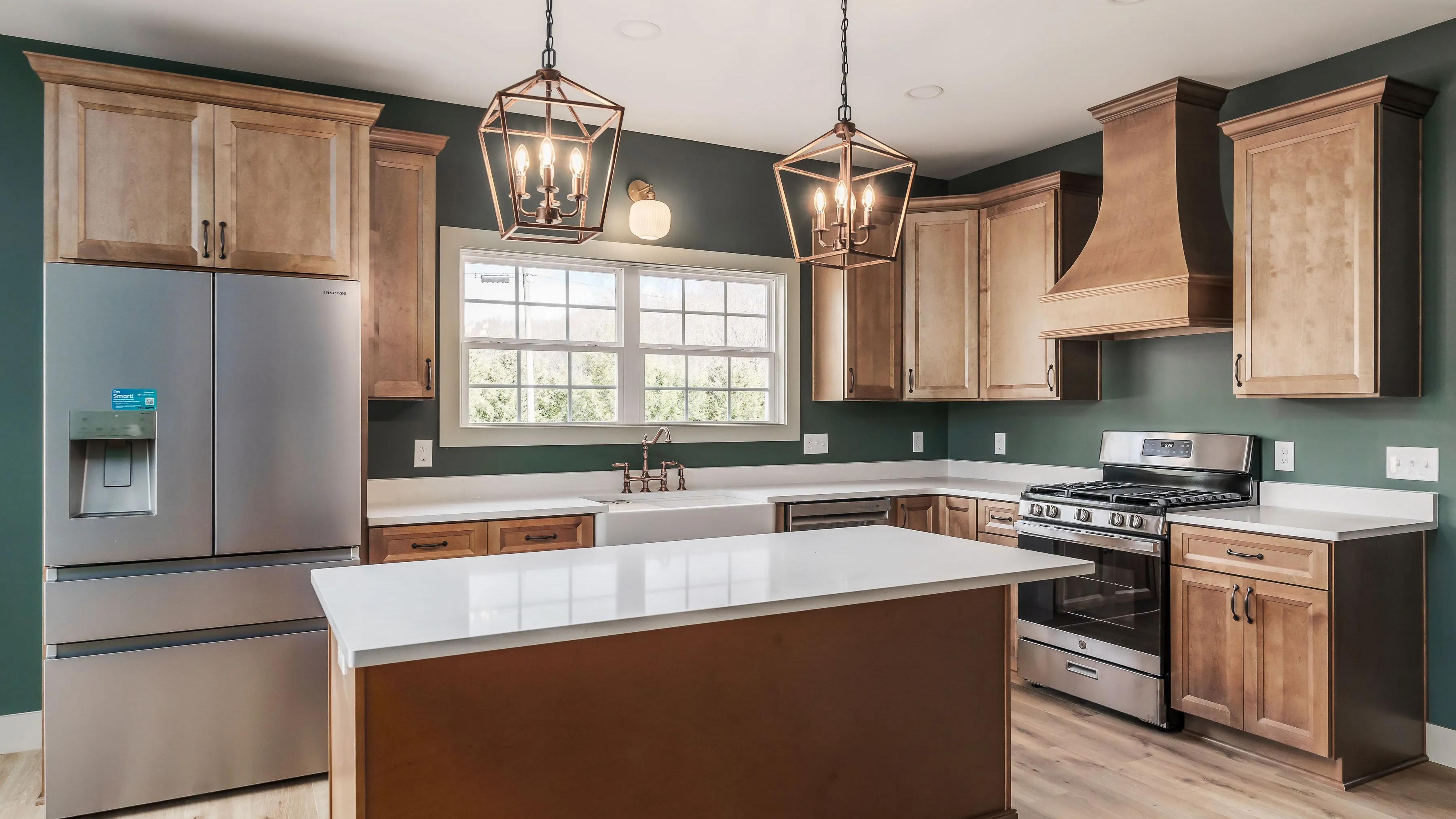
- Finish level (cabinets, flooring, tile, fixtures, trim, appliances)
- Scope outside the house (driveway length, retaining walls, porches, decks, landscaping)
Why online calculators miss the mark for Cumberland County
Most online calculators assume a flat lot, short driveway, standard utility connections, and mid-range finishes. Crossville lots often do not behave that way. We frequently see:
- Lots that look flat from the road but drop off behind the build site
- Rock that increases excavation time and hauling
- Longer driveways and more gravel base due to rural parcels
- Septic systems that need engineered designs because of soil or slope
Those items fall under site prep costs, and they can swing the budget early, before framing even starts.
A practical way to set a budget range
Instead of chasing a single number, set a working range using three tiers:
- Baseline budget: the simplest version of the home you would be happy living in
- Target budget: the plan and finishes you actually want
- Stretch budget: upgrades that are nice to have if the site and bids come in favorable
This approach helps you make decisions quickly when pricing comes back and avoids the stress of redesigning late.
If you are early in planning, we can help you align the design with the budget through our Home Design & Planning process, especially when you are building in Crossville and need to account for Plateau site conditions.
The biggest cost drivers in Crossville and Cumberland County
When homeowners ask about the construction cost breakdown, these are the categories that most often move the total price.
1) Site work and foundation, where Crossville budgets can change fast
Site work is the part of the project that is hardest to estimate without a plan and a lot evaluation. It includes clearing, grading, erosion control, driveway base, and excavation for the foundation.
Common Crossville-specific cost drivers include:
- Rock excavation: Hitting rock can require specialized equipment, more labor time, and additional hauling.
- Drainage planning: The Cumberland Plateau can shed water quickly. Proper swales, downspout routing, and sometimes retaining walls protect the foundation and driveway.
- Slope and access: A steep lot can require more grading, a taller foundation wall, or a different foundation type.
- Soil conditions: Soil bearing capacity affects footing design. Poor soil can require over-excavation and replacement with compacted stone.
Foundation choices also affect cost:
- Slab-on-grade can be cost-effective on flatter lots with good drainage.
- Crawl space is common in Tennessee and can be a good fit for sloped sites, but it adds masonry, ventilation, and access considerations.
- Basements add usable space but often increase excavation and waterproofing needs, especially where drainage must be carefully managed.
Actionable tip: Before you fall in love with a floor plan, invest in early site evaluation. Even a basic review of topography, driveway approach, and utility locations can prevent a plan that is expensive to place on the lot.
2) Utilities, well and septic, and the hidden costs of distance
Utilities are a major part of the cost to build a house in Crossville that many homeowners underestimate.
Key variables include:
- Water source: City water connections are usually more predictable. A well adds drilling cost and may require additional filtration depending on water quality.
- Wastewater: Sewer availability can simplify planning. Septic systems vary widely. Some lots need larger fields or engineered systems due to soil, slope, or setbacks.
- Power and communications: The farther the house is from the road or existing service, the more trenching and materials you may need.
- Gas: If natural gas is not available, you may plan for propane, which affects mechanical design and appliance selection.
Actionable tip: Ask for a utility plan early. Knowing where the meter, trench routes, septic area, and well location might go helps avoid conflicts with driveways, patios, and future outbuildings.
3) Layout complexity and structural choices
Design elements that typically increase custom home pricing include:
- Multiple rooflines, valleys, and dormers
- Large spans that require engineered beams
- Two-story great rooms and tall wall sections
- Extensive window walls and oversized doors
- Cantilevers, bump-outs, and curved walls
- Complex foundations that step with the grade
If you want to control cost without sacrificing livability, focus on:
- A more efficient footprint (less hallway, more usable rooms)
- Stacking plumbing walls and bathrooms to reduce rough-in complexity
- Keeping rooflines clean while still adding character with porches and details
This is where an experienced custom builder earns their keep. When we build through our Custom Home Building service, we look for ways to keep the design true to your goals while avoiding expensive construction headaches.
4) Finish selections, where budgets can drift quietly
Finish choices are one of the biggest controllable variables, and they are also where budgets drift if you do not track allowances and upgrades.
Examples of finish categories that can swing the total:
- Cabinetry and countertops: Stock cabinets and laminate tops cost far less than custom cabinetry with quartz or granite.
- Flooring: LVP, hardwood, and tile vary widely in material and labor.
- Tile and showers: Custom tile showers, niches, and glass enclosures add labor and waterproofing details.
- Windows and doors: Upgraded window packages improve comfort and efficiency but raise the line item.
- Trim and paint: More trim detail, higher ceilings, and upgraded paint systems increase labor.
- Lighting and plumbing fixtures: A few “statement” fixtures can be reasonable. Whole-house upgrades add up quickly.
Actionable tip: Decide early where you want to “spend” for daily enjoyment. Many homeowners in Crossville prioritize a high-performing kitchen, a comfortable primary bath, and outdoor living (covered porch or screened area) while keeping secondary spaces more standard.
If you are planning a major update instead of a new build, our Home Renovations & Additions service uses the same approach to finishes so you can see cost impacts before you commit.
A clear construction cost breakdown you can use for planning
Every builder structures estimates differently, but most custom homes include similar buckets. Here is a homeowner-friendly breakdown to help you ask better questions and compare proposals.
Pre-construction and planning
- Design development and budgeting
- Engineering (as needed)
- Permitting and approvals
- Selections and scope documentation
In Cumberland County, permitting requirements can vary based on location, septic needs, and the specifics of the site. A builder who is used to local processes can help keep timelines realistic.
Site prep and foundation
- Clearing and grading
- Excavation and hauling
- Driveway base and culverts
- Footings, foundation walls, slab, waterproofing, drainage
Framing and exterior shell
- Framing labor and lumber package
- Roof framing and roofing
- Windows and exterior doors
- Siding, brick, stone, exterior trim
Mechanical systems
- Plumbing rough-in and fixtures
- Electrical rough-in, panel, lighting
- HVAC equipment and ductwork
- Ventilation and bath fans
Interior finishes
- Insulation and drywall
- Paint
- Flooring
- Cabinets and countertops
- Trim and interior doors
- Tile and shower systems
Final items and closeout
- Punch list completion
- Final inspections
- Cleaning and turnover
- Warranty documentation
Exterior features and “not in the house” costs
This is the category that surprises people building on acreage:
- Long driveways and parking pads
- Retaining walls
- Steps, walkways, and patios
- Decks, porches, and outdoor kitchens
- Landscaping and final grading
Actionable tip: When you are comparing estimates, confirm what is included for exterior work. Two proposals can look similar until you realize one includes a finished driveway and the other includes only rough access.
Site prep costs in Crossville: what to evaluate before you buy a lot
If you do not own your lot yet, you can save a lot of money by evaluating buildability before closing. In Crossville, we recommend looking at these items early.
Topography and drainage
Walk the lot after a rain if possible. Look for:
- Standing water or soggy areas
- Natural drainage paths that will need to be redirected
- Low spots where a driveway might wash
Soil and rock
You may not know exactly what is underground without testing, but clues help:
- Nearby cuts in the road that show rock layers
- Neighboring lots with visible rock outcrops
- Existing homes that sit on tall foundations, which can indicate slope
Driveway approach and access
Septic feasibility
If sewer is not available, ask early about:
- Soil suitability
- Setback requirements
- Reserve area needs
- Whether an engineered system might be required
Actionable tip: If you are shopping lots, take your builder with you or ask for a quick feasibility review. It is much easier to choose a lot that fits your budget than to force a budget to fit a difficult lot.
How to build a realistic home building budget (without cutting corners)
Start with priorities, not square footage
Square footage matters, but priorities drive satisfaction. List your top five must-haves, such as:
- One-level living
- Large pantry and kitchen island
- Three-car garage
- Dedicated office
- Covered back porch
Then identify what you can keep simpler, like secondary baths or specialty ceiling details.
Include soft costs and owner responsibilities
Depending on your situation, your total project budget may include:
- Land purchase and closing costs
- Survey and boundary work
- Temporary power and water
- Loan fees and interest during construction
- Appliances (if not included)
- Window coverings
- Furniture and moving costs
Plan for contingencies, especially for site variables
Even with good planning, construction has unknowns. A contingency is not “extra money to waste.” It is a tool to keep you from making rushed decisions.
Many homeowners plan a contingency that is separate from finish upgrades, especially when:
- The lot is sloped or heavily wooded
- Rock is likely
- Utilities are far from the build site
- Septic requirements are not finalized
Keep selections aligned with the estimate
The most common budget problem we see is not one big mistake. It is a series of small upgrades that feel reasonable at the showroom.
Actionable tip: Create a selections plan early. Decide your finish level for each category, then stick to it unless you intentionally trade off somewhere else.
If you want a builder who can guide this process from day one, explore our New Home Construction service and how we plan builds across the Upper Cumberland.
A real-world scenario: how choices change the cost to build a house in Crossville
Here is a simplified example to show how costs move based on decisions, without pretending every build is identical.
Imagine two families building similar sized homes in Crossville:
Scenario A: efficient design on an easier lot
- Lot has a gentle slope and good access
- Short driveway and nearby power
- Crawl space foundation with straightforward drainage
- Simple roofline, standard window sizes
- Mid-range finishes with a few upgrades in the kitchen
Result: Budget stays closer to the baseline range because site work and complexity are controlled.
Scenario B: more complex design on a challenging lot
- Lot slopes toward the back with limited flat area
- Longer driveway and trenching for utilities
- Foundation steps with the grade, additional drainage work
- Multiple rooflines and larger window package
- Higher-end tile showers, upgraded cabinets, premium lighting throughout
Result: The same square footage can cost significantly more because the site and complexity add labor, materials, and time.
The takeaway is not that one scenario is “right.” It is that you should match the design and finishes to the lot and your budget from the beginning.
What to ask a builder when comparing custom home pricing in Tennessee
If you are collecting estimates, these questions help you avoid surprises and compare apples to apples:
- What assumptions are you making about site work, driveway length, and rock excavation?
- Are allowances listed for finish selections cost items like cabinets, flooring, tile, and lighting?
- What is included for utilities, septic, or well work?
- How are change orders handled, and how are they priced?
- What is the expected timeline for this type of home in Cumberland County?
- What warranty coverage is provided, and what does it include?
Building in Crossville with a Cookeville-based builder who knows the Upper Cumberland
We are based in Cookeville, and we build throughout the Upper Cumberland, including Crossville. That matters because local experience affects everything from realistic budgeting to scheduling trades and navigating the practical realities of building on Plateau terrain.
Whether you are starting from scratch or already have plans, the most helpful next step is a conversation about your lot, your must-haves, and your target budget range. From there, we can recommend design adjustments that protect your budget while keeping the home true to what you want.
Conclusion: set your budget, then design with confidence
So, how much does a custom home cost in Crossville, TN? The honest answer is that it depends on your site, your layout complexity, your utilities, and your finish selections cost decisions. The good news is that you can control many of those variables with early planning and clear priorities.
If you want a realistic budget range and a transparent path forward, we can help you evaluate your lot, align the plan with your goals, and build with fewer surprises. Learn more about our Custom Home Building approach, or explore Home Design & Planning to start shaping a buildable, budget-smart plan for Crossville and Cumberland County.
Frequently Asked Questions
In our experience, site work is often the biggest swing factor in Crossville and Cumberland County. Slope, drainage needs, rock excavation, and driveway access can change costs before the house even starts. A quick lot evaluation and a clear site plan early on helps prevent surprises.


