

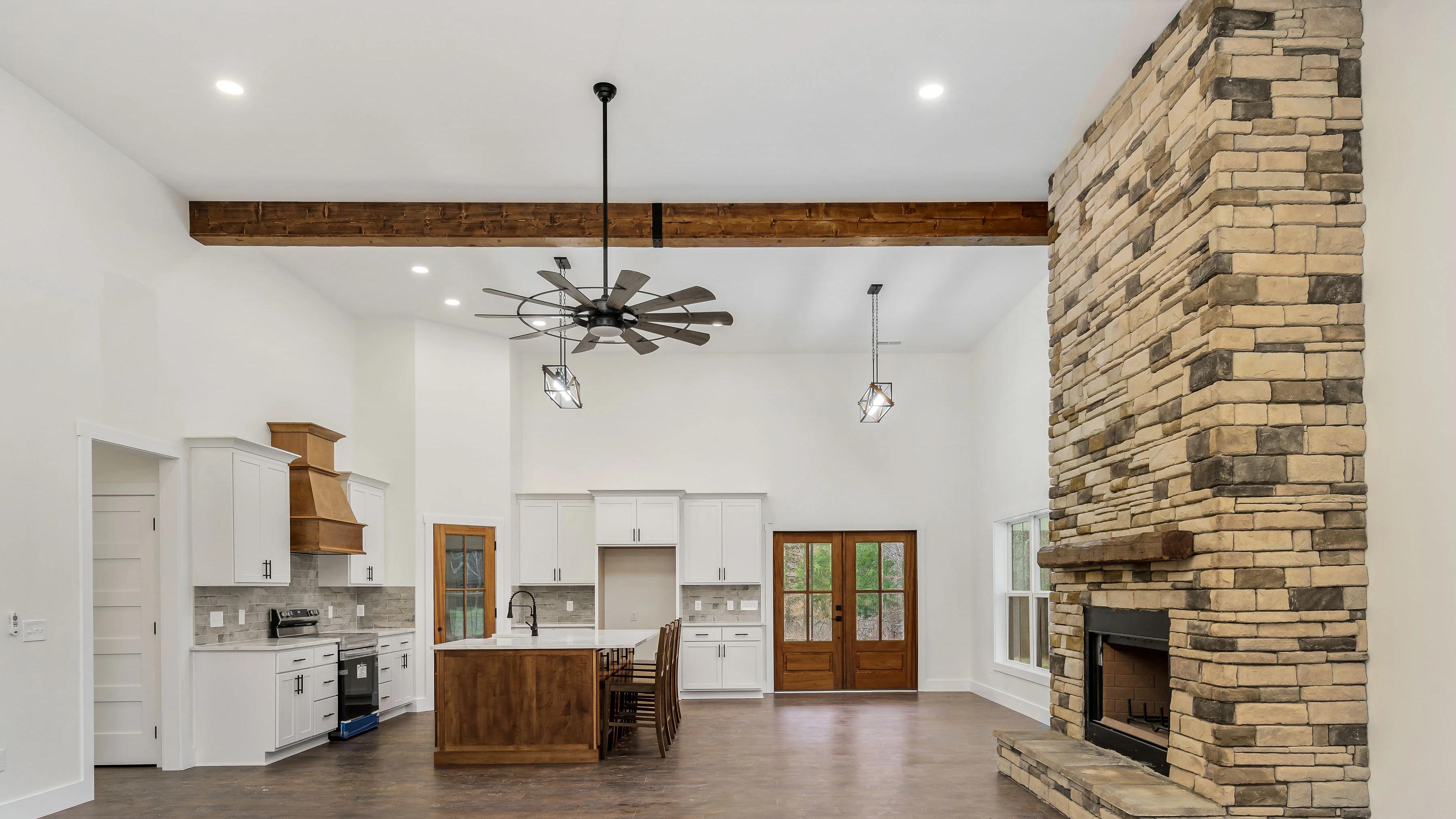
Building a custom home is exciting, but the part that surprises most homeowners is not the framing or the concrete. It is the number of finish decisions that hit all at once. Cabinets, tile, flooring, lighting, plumbing fixtures, paint colors, hardware, and trim details all seem fun until one late selection holds up a trade, or an upgrade blows past an allowance.
In our experience building in the Upper Cumberland, the smoothest projects are the ones where we treat selections like a schedule, not a shopping trip. A clear custom home selections timeline keeps the job moving, helps you compare options calmly, and protects your budget by giving you time to evaluate alternates and real lead times.
Below is the timeline we use to help clients in and around Cookeville plan smart. We will map out when to choose cabinets for a new build, how tile and flooring lead times affect the critical path, and how to build a lighting plan for new construction without last minute stress. You will also find a practical construction allowances guide and a finish selections checklist mindset that keeps decisions organized.
Why a custom home selections timeline prevents delays (and budget surprises)
Selections are not just aesthetic. They are inputs for ordering, rough in locations, inspections, and labor scheduling. If a product is not chosen and on site, the trade often cannot install it, and the next trade cannot start. That is how a two week cabinet delay can ripple into countertops, plumbing trim out, and even final inspection.
Here are the most common ways finish selections cause delays in real projects:
- Long lead items are chosen too late. Some cabinet lines, specialty tile, custom windows, and certain lighting packages can take 6 to 14 weeks, sometimes longer during peak seasons.
- Rough in locations are unknown. If we do not have your lighting plan, plumbing fixtures, and appliance specs, electrical and plumbing rough ins become guesses. Fixing those guesses later costs time and money.
- Allowance overages show up late. When allowances are not tracked in real time, homeowners learn about budget gaps after the order is placed.
- Substitutions create rework. A different tub, range, or vanity can change framing, venting, electrical requirements, or tile layout.
We build custom homes and manage renovations across the region, so we have learned to front load decisions that affect the structure and rough ins. If you are still in the early stages, our Home Design & Planning process is where we set the foundation for a realistic selection schedule.
The big picture schedule: selections by phase (from planning to punch list)
Every home is unique, but most custom builds in the Upper Cumberland follow a similar sequence. Use this as a framework, then we tailor it to your actual contract, trade availability, and product lead times.
Phase 1: Pre construction and design development (weeks to months before breaking ground)
This is where you win or lose the “easy build” experience. The goal is to lock decisions that affect:
- Room sizes and layouts
- Structural loads and framing details
- Window and door sizes
- Mechanical planning (HVAC, plumbing, electrical)
- Exterior materials and rooflines
Selections to prioritize early:
- Cabinet layout and appliance plan (concept level). You do not need every knob picked yet, but we need the kitchen and bath layouts, appliance sizes, and major features (range hood style, island size, pantry approach). This drives electrical circuits, venting, and plumbing locations.
- Plumbing fixture types (concept level). For example, a freestanding tub vs a drop in tub changes framing and drain placement.
- Lighting approach. A lighting plan for new construction is easiest when we can still adjust framing and switch locations.
- Exterior selections. Brick, stone, fiber cement, siding profiles, and exterior paint colors influence ordering and sometimes wall details.
Local note: In Putnam County and surrounding areas, permitting and inspection timelines can vary depending on jurisdiction and workload. We plan selections so we are not waiting on a product when an inspection window opens.
If you are building a full custom, this phase ties directly into our Custom Home Building workflow, where we coordinate design, budget, and constructability before the first stake goes in the ground.
Phase 2: Foundation through framing (roughly weeks 1 to 10 of construction)
Once the slab or crawlspace is in and framing starts, the clock speeds up. While the crew is building the shell, you should be finalizing the finish items that affect rough ins.
Selections to finalize during framing:
- Windows and exterior doors (if not already locked)
- Fireplace type and surround depth
- Stair details (tread material, railing style, newel posts)
- Cabinet manufacturer and door style (final choice)
- Appliance specifications (model numbers if possible)
This is also when we start a working finish selections checklist that lives in one place, usually a shared spreadsheet or selection sheet. The checklist is not busywork. It is how we keep the schedule honest.
Phase 3: Rough ins (electrical, plumbing, HVAC) (roughly weeks 8 to 14)
Rough ins are where selection indecision becomes expensive. Once wires, pipes, and ducts are in the walls, changes mean opening drywall later.
Selections that must be decided before rough ins begin:
- Lighting plan new construction: recessed layout, pendant locations, vanity lights, exterior lighting, fan boxes, and switch locations
- Plumbing rough locations: shower valve type, shower head configuration, tub filler, pot filler, and any special features
- HVAC registers and returns: placement can affect ceiling details and lighting
- Smart home and low voltage: data drops, WiFi access points, security, cameras, speakers
Real world example from our job sites: A client fell in love with a different kitchen hood late in the process. The new hood required a larger duct and a different vent route. We were able to adjust before drywall because we had appliance specs in hand early. Without that, it would have meant rework.
Phase 4: Drywall, interior trim, and paint prep (roughly weeks 12 to 18)
Once drywall is up, visual decisions become easier because you can stand in the space. But you still need products ordered and on site.
Selections to lock by drywall and trim:
- Interior doors and trim profile
- Paint colors (at least a first pass)
- Flooring product and layout direction
- Tile selections and patterns
- Cabinet hardware style
This is where tile and flooring lead times can surprise people. Many common products are readily available, but specialty tile, large format tile, or certain engineered hardwood lines may require ordering. If we are waiting on flooring, we can stall trim, cabinets, and countertop templating.
Phase 5: Cabinets, countertops, tile, and finishes (roughly weeks 16 to 24)
This is the most selection heavy phase because every room starts looking “real.” It is also the phase where allowances matter most.
Selections that must be final and delivered:
- Cabinets installed before countertops can be templated
- Countertop material and edge profile chosen early enough for fabrication
- Tile installed before plumbing trim in many areas
- Lighting fixtures delivered before final electrical trim
- Plumbing trim (faucets, shower trim, accessories)
If you are planning a renovation instead of a full build, we still follow a similar sequence, but we add time for demolition surprises. Our Home Renovations & Additions clients often benefit from making selections even earlier because existing conditions can force quick decisions once walls are opened.
A practical finish selections timeline (what to pick, and when)
Below is a more detailed, selection by selection timeline. The exact weeks vary, so treat this as “relative timing” tied to construction milestones.
Cabinets: decide earlier than you think
If you are wondering when to choose cabinets for a new build, our answer is simple: choose the cabinet line and layout before rough in, and place the order as soon as the design is approved.
Why cabinets are critical path:
- Cabinet layout drives electrical outlets, lighting, and plumbing
- Lead times can range from 4 weeks for some semi custom lines to 10 or more weeks for fully custom
- Countertops cannot be templated until cabinets are installed
Our recommendation:
- Before rough in: finalize cabinet layout, appliance sizes, and any special features (trash pull outs, spice pull outs, hood design)
- Before drywall: confirm cabinet finish and door style, then order
- Before cabinet install: confirm hardware drilling approach and filler details
Tile: plan for lead times and installer needs
Tile is one of the most common delay points because it involves multiple steps and multiple products (tile, trim pieces, waterproofing systems, grout, sealers).
Tile and flooring lead times to keep in mind:
- Stock porcelain tile is often available quickly
- Specialty mosaics, handmade tile, and large format tile may require ordering
- Matching trim pieces (bullnose, schluter profiles) can be the hardest part to source
Best practice:
- Decide tile locations and patterns early, especially in showers
- Confirm waterproofing method with the builder and tile installer (we coordinate this as part of our Residential Construction Services)
- Order tile with extra for waste and attic stock, typically 10 to 15 percent depending on layout and cuts
Flooring: do not forget transitions and site conditions
Flooring decisions affect more than appearance. They influence trim height, stair details, and sometimes subfloor prep.
What to decide early:
- Primary flooring type by area (hardwood, engineered, LVP, tile, carpet)
- Stair tread material and nosing details
- Floor vent types if you are using floor registers
Common local factor: In Tennessee, humidity swings can be significant. We plan acclimation time for wood and engineered flooring, and we make sure moisture conditions meet manufacturer requirements before installation.
Lighting: build the plan before rough in, buy fixtures before trim out
We plan lighting in layers:
- Ambient lighting: recessed, ceiling fixtures
- Task lighting: under cabinet, pendants over islands, vanity lighting
- Accent lighting: sconces, toe kick lighting, fireplace accents
Timeline:
- Before electrical rough in: finalize locations, switch banks, and any dimmer requirements
- Before drywall: confirm any specialty fixtures that need blocking or support
- Before electrical trim out: have fixtures delivered to the job site
Tip from experience: We encourage clients to choose fixtures that are in stock or have confirmed ship dates. A single backordered chandelier can delay final electrical and inspection.
Plumbing fixtures: rough in vs trim matters
Plumbing has two selection stages.
- Rough in decisions: valve types, shower configuration, tub type, drain placement
- Trim decisions: faucet finishes, shower trim kits, accessories
Timeline:
- Choose rough in fixture types before plumbing rough in
- Choose trim finishes and exact models before tile is installed in showers, so we can confirm compatibility
Paint and interior finishes: pick a system, not random colors
Paint feels like a late decision, but it goes smoother when you set a structure.
Our approach:
- Choose a whole home white and trim sheen first
- Pick 1 to 2 main wall neutrals
- Add accent colors last
This reduces decision fatigue and prevents the common issue of choosing colors that fight your floors and cabinets.
Staying on budget: a construction allowances guide you can actually use
Allowances are useful, but only if you treat them like a tracking tool, not a vague placeholder.
An allowance is a budgeted amount for a selection category, such as lighting, tile, or plumbing fixtures. If you select products above the allowance, you pay the difference. If you select below, you may receive a credit depending on your contract structure.
How we help clients manage allowances without stress
We do three things on our projects to keep allowances from becoming a surprise:
- We confirm what the allowance includes. For example, does the lighting allowance include all fixtures, or only decorative fixtures, with recessed lights handled separately?
- We price alternates early. If you love a tile that is above budget, we identify a comparable alternate immediately. This is one of the best ways to avoid construction delays because you are not starting over.
- We track selections in real time. As soon as a product is chosen, we plug in the actual cost and show the delta from the allowance.
Practical tips for staying on budget
- Spend where it is hard to change later. Cabinets, shower tile, and layout decisions are expensive to redo. Decorative lighting is easier to swap later.
- Standardize finishes. Keeping one or two metal finishes (like brushed nickel and matte black) across the home reduces both cost and decision fatigue.
- Watch the “small upgrades” pile. Upgraded pulls, extra can lights, taller baseboards, and premium grout add up quickly.
Lead times and ordering strategy: how to avoid construction delays
The fastest way to break a schedule is to assume everything is available locally when you want it. In reality, lead times fluctuate based on manufacturer capacity, shipping, and even storm events.
Our rule of thumb for lead times
- Order early for anything custom or specialty. Cabinets, special order windows, custom doors, and unique tile should be ordered as soon as the design is approved.
- Confirm ship dates in writing. We do not rely on “should be here in a few weeks.” We want an estimated ship date and tracking when available.
- Have a backup plan. For key items, we help you choose alternates that you would be happy with if the first choice slips.
A simple “critical path” way to think about selections
If an item affects the next trade, it is critical path. Examples:
- Cabinets affect countertops and plumbing trim
- Tile affects plumbing trim and shower glass
- Lighting affects electrical trim and final inspection
- Flooring affects trim, doors, and sometimes cabinet install timing
When you focus on critical path items first, the rest of the selections feel more manageable.
A finish selections checklist mindset (without turning it into a second job)
We have found that overwhelmed clients do not need more Pinterest boards. They need a decision system.
Here is the system we recommend:
1) Make decisions by room, then confirm by category
Start with high impact rooms:
- Kitchen
- Primary bath
- Main living areas
Then confirm category consistency:
- Flooring continuity
- Cabinet finish consistency
- Hardware and plumbing finish consistency
2) Keep a “decision file” for each category
For each selection category, keep:
- Product link or spec sheet
- Finish name and color code
- Price and allowance comparison
- Lead time and order date
This becomes your personal finish selections checklist, and it keeps everyone aligned, including trades and suppliers.
3) Schedule selection meetings around construction milestones
Instead of random weekend shopping, we prefer planned checkpoints:
- Pre rough in selection meeting
- Pre drywall selection meeting
- Pre cabinet install selection meeting
- Pre trim out selection meeting
That cadence matches how the job actually moves.
Local perspective: building in Cookeville and the Upper Cumberland
Working in and around Cookeville, we see a mix of in town builds and rural properties. That changes selection planning in a few ways:
- Delivery access: Long driveways, steep grades, or tight neighborhoods can affect delivery timing for cabinets, countertops, and large fixtures.
- Utility coordination: Rural builds may involve well, septic, or longer utility runs, which can shift rough in timing.
- Climate considerations: Humidity and seasonal swings influence flooring acclimation, paint curing, and material storage.
We build throughout the Upper Cumberland, including Cookeville and Sparta. No matter the location, the selection timeline works best when we adjust it to the realities of the site and the local inspection calendar.
Conclusion: make selections like a schedule, not a scramble
If you are planning a new build or a major renovation in Cookeville or the surrounding Upper Cumberland area, we would be glad to help you map your selections to your construction schedule. Explore our New Home Construction process, or reach out through our website to start planning your timeline with us.
Frequently Asked Questions
We recommend finalizing the cabinet layout and appliance sizes before electrical and plumbing rough ins begin, then placing the cabinet order as soon as the design is approved. Cabinets often sit on the critical path because countertops, plumbing trim, and even some flooring transitions depend on them.


