

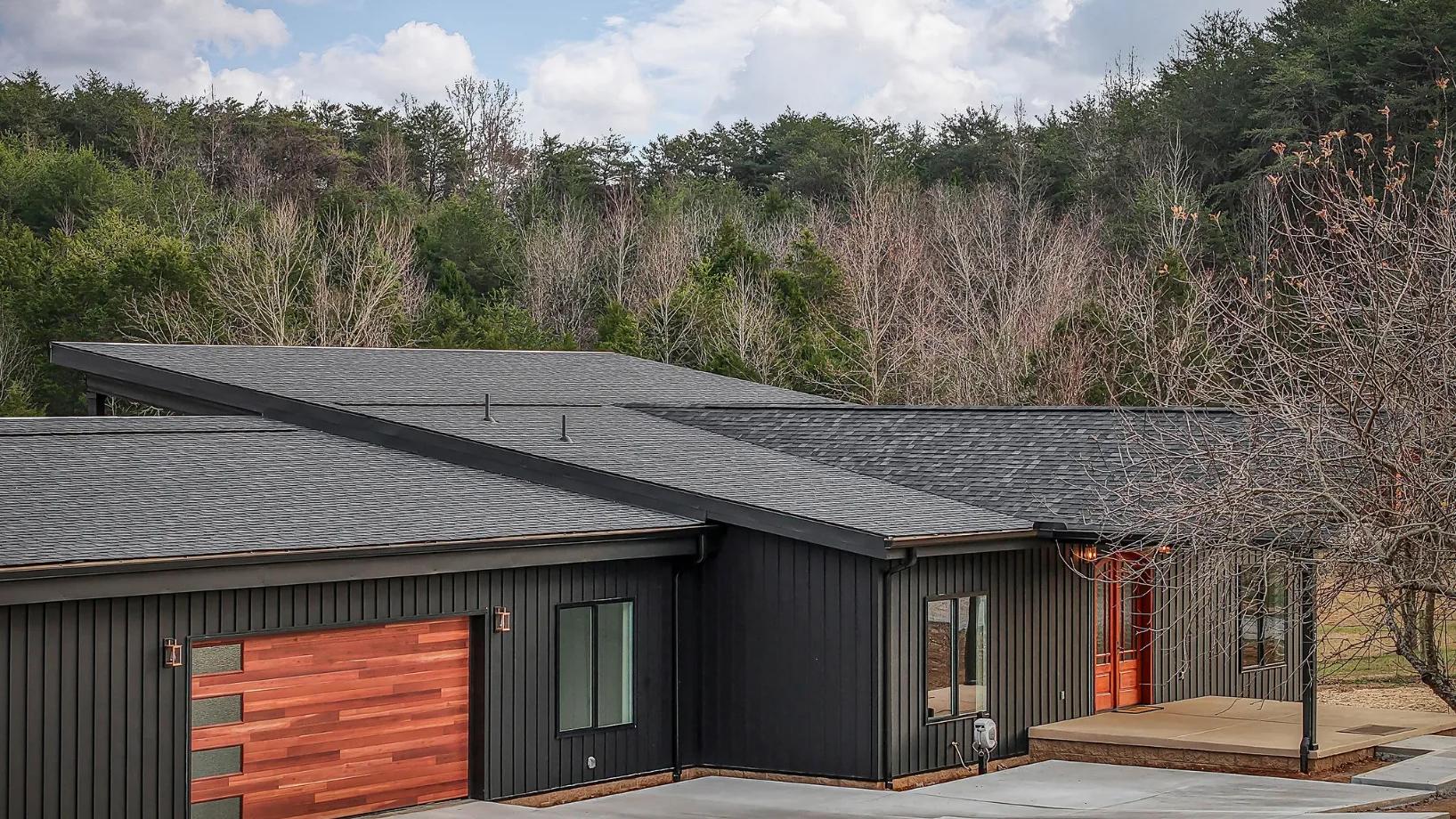
Planning a new build or a major remodel in the Upper Cumberland is exciting, but the permit process can feel like a mystery until you are in the middle of it. We have helped homeowners navigate home building permits in Upper Cumberland TN for new construction, additions, garages, and major renovations, and we see the same problems cause delays again and again: incomplete plans, missing site details, and last minute changes that trigger re-reviews.
In this guide, we break down what typically requires a permit in this region, how Tennessee residential building permits are usually reviewed, what inspections to expect, and what a realistic permit timeline for building a house looks like. We will also share practical ways to avoid slowdowns, including what to include in your site plan package, how to prepare for septic and driveway approvals, and how to keep your build moving once you break ground.
Because permit rules can vary by county, city, and even utility district, think of this as a field-tested roadmap, not legal advice. When you are ready, our team at Crosland Construction can help you coordinate the details, communicate with local offices, and build with fewer surprises. You can also learn more about us at Crosland Construction.
Why permits matter for new homes and major residential projects
Permits are not just paperwork. In most Upper Cumberland jurisdictions, permits are the official checkpoint that confirms your project meets minimum life safety standards, structural requirements, and local rules for things like setbacks and sanitation. When permits are skipped or started too late, it often leads to:
- Stop-work orders that shut down a jobsite
- Redesign costs after a plan reviewer flags an issue
- Extra engineering letters or inspections to prove compliance
- Insurance and resale complications, especially when unpermitted work is discovered later
From our experience, permitting goes smoother when homeowners treat it like a project phase, not a form. That means planning time for approvals, assembling complete drawings, and making sure the site details match real conditions.
Upper Cumberland also has some practical realities that affect permitting and inspections. Many homes are on septic systems instead of sewer. Many lots are rural with long driveways, culverts, and limited cell signal for remote coordination. Soil conditions and slope can vary a lot across short distances, which impacts foundation design, drainage, and sometimes the need for engineered retaining walls. All of those factors can show up in plan review.
What triggers a building permit in Upper Cumberland TN
The simplest rule of thumb is this: if you are changing the structure, footprint, life safety systems, or major utilities, you should assume a permit is required. Local building departments use the state-adopted building codes as a baseline, but counties and cities can have their own policies and enforcement practices.
Common projects that typically require permits
In most counties and municipalities across the region, you will usually need permits for:
- New home construction permits for a stick-built or modular home
- Additions that increase heated square footage or change structural walls
- Detached garages, workshops, and large accessory buildings (thresholds vary)
- Decks, especially elevated decks or those attached to the house
- Roof structure changes, dormers, or major framing modifications
- Basement finishes when adding bedrooms, egress windows, or new HVAC loads
- Swimming pools, especially in-ground pools and barrier requirements
- Major electrical service upgrades, panel changes, or generator installs
- Plumbing changes that add fixtures or relocate drains and vents
- HVAC system replacements that change capacity or require new ducting
Projects that may not need a permit, but still need a conversation
Some minor repairs may be exempt, but exemptions are not universal. Examples that sometimes fall into a gray area include:
- Like-for-like flooring, cabinets, or paint
- Minor siding repairs
- Fence installations (often regulated by zoning rather than building)
- Small sheds under a certain size
We recommend calling the local building office before assuming anything is exempt. A five minute call can save weeks later.
Zoning, setbacks, and site constraints often drive the permit outcome
Even when the structure itself is straightforward, the site can trigger extra review. Common triggers in the Upper Cumberland include:
- Setback compliance on narrow or irregular lots
- Building near creeks, drainageways, or flood hazard areas
- Steep slopes that require erosion control planning
- Driveway access, culverts, or sight distance concerns
- Septic approval limits that affect bedroom count and house layout
This is where good site plan requirements make the difference between a smooth review and multiple resubmittals.
Who issues permits and what approvals you may need
Typical authorities involved
Depending on your address, your project may touch:
- County building department or city building department
- Planning and zoning (setbacks, use, accessory structures)
- Environmental Health (septic permits, soil evaluations)
- Utility providers (water tap, sewer tap, electric service)
- State or local highway authority (driveway entrance permits in some areas)
- Fire marshal review in limited cases (more common for commercial, but sometimes applicable)
What we see most often on rural lots
For rural Upper Cumberland builds, the big three that affect schedule are:
- Septic approval: Soil work, site evaluation, and a permit that matches the planned bedroom count.
- Driveway and access: Culvert sizing, ditch lines, and safe entrance location.
- Power and water coordination: Service locations, meter base requirements, and long lead times for setting poles or trenching.
When homeowners ask us why their permit is taking longer than expected, it is often because one of these items is incomplete, not because the building department is slow.
The typical permit process for building a house in the Upper Cumberland
Every jurisdiction has its own steps, but the flow below matches what we commonly see for Tennessee residential building permits.
1) Pre-permit planning and feasibility
Before drawings are finalized, we like to confirm:
- Setbacks and any zoning limitations
- Whether the lot is on sewer or septic
- Driveway approach feasibility
- Utility availability and approximate service locations
- Any known floodplain or drainage concerns
Catching these early prevents redesign. For example, we have seen house plans that looked perfect on paper, but the septic field location forced the home to shift, which then pushed it into a setback. That is a costly domino effect.
2) Assemble a complete plan set
- Architectural floor plans and elevations
- Structural details (especially for long spans, tall walls, or complex rooflines)
- Foundation plan and framing notes
- Energy code documentation (insulation values, window specs, air sealing approach)
- Mechanical, electrical, and plumbing scope notes (varies by office)
- A clear site plan with distances and grades
If your project includes engineered components, submit stamped drawings when required. Waiting until plan review asks for engineering is one of the most common delay points.
3) Submit, review, and respond to comments
Plan review time depends on workload and complexity. Some offices can turn around a simple set quickly, while others take longer during peak building seasons. The fastest path is not rushing, it is submitting a clean, coordinated package.
When comments come back, respond in a structured way:
- Address each comment directly
- Revise drawings and cloud changes
- Provide supporting documentation, like product specs or engineering letters
4) Permit issuance and pre-construction setup
Once issued, confirm:
- Permit card posting requirements
- Required inspections and how to schedule them
- Any special conditions attached to the permit
We also recommend confirming the approved plan set matches what the crew will build. Field changes that drift away from approved plans can trigger re-inspections.
Site plan requirements that prevent delays
If we had to pick one item that most often slows down new home construction permits, it is the site plan. Many homeowners assume a simple sketch is enough. In practice, reviewers need enough detail to verify setbacks, drainage, access, and utility placement.
What a strong site plan usually includes
- Property lines with dimensions (from a survey when available)
- House footprint with distances to each property line
- Driveway location, width, and culvert details if applicable
- Septic tank and field location, plus reserve area if required
- Well location if applicable, with separation distances from septic
- Proposed finished floor elevation and basic grading intent
- Drainage direction, swales, and downspout discharge concept
- Any retaining walls, steep slopes, or notable site features
If you are building on a sloped lot, include grade shots or a topo when you can. Upper Cumberland lots can change elevation quickly, and that affects foundation type, steps, and erosion control.
Real-world example we see often
When we coordinate site details early, we can usually avoid that chain reaction.
Building inspections checklist: what to expect during construction
Inspections vary by jurisdiction, but most follow a similar sequence. Below is a practical building inspections checklist for a typical new home, plus a few items that commonly cause failed inspections.
Common inspection stages for a new home
- Footing and foundation: Before concrete placement, verifying depth, rebar, soil conditions, and forms.
- Under-slab or rough plumbing: If you have slab plumbing, it is often inspected before the pour.
- Foundation wall or slab: After pour, sometimes with waterproofing or damp-proofing checks.
- Rough framing: Verifying structural framing, headers, connections, and fire blocking.
- Rough electrical: Box locations, wire staples, panel setup, bonding, and circuit planning.
- Rough plumbing: Venting, drain slopes, pressure tests, and fixture rough-ins.
- Rough HVAC: Duct sizing, returns, equipment clearances, and condensate routing.
- Insulation and energy: Insulation R-values, air sealing, baffles, and sometimes blower door coordination.
- Drywall fastener inspection (in some areas): Before finishing.
- Final inspections: Building, electrical, plumbing, HVAC, and issuance of a CO (certificate of occupancy) when required.
What commonly causes inspection delays
From our job sites, these are frequent issues:
- Missing manufacturer specs on engineered products (joists, beams, trusses)
- Incomplete fire blocking and draft stopping
- Incorrect stair geometry, handrail height, or guard spacing
- Bathroom exhaust venting terminated incorrectly
- GFCI and AFCI requirements missed in certain locations
- Inadequate attic access or platforming near equipment
- Grading not directing water away from the foundation before final
Permit timeline for building a house: realistic expectations in Upper Cumberland
Homeowners often ask for a single number. In reality, the timeline depends on your site conditions, plan completeness, and how many separate approvals are involved.
A realistic range for permitting
For many projects, a reasonable planning assumption is:
- Simple additions or detached structures: Often a few weeks if drawings and site plan are complete.
- New home builds: Commonly several weeks to a couple of months when you include septic, utilities, and plan review.
Peak building season can extend review times, and incomplete submittals can add weeks through back-and-forth.
Timeline drivers that are easy to underestimate
- Septic evaluations and approvals: Scheduling, soil conditions, and design constraints.
- Engineering: If a reviewer requests stamped calcs or details, you are now dependent on engineering turnaround.
- Utility coordination: Service drops, transformer availability, and trenching requirements.
- Revisions: Changing the plan mid-review can restart parts of the process.
How we help clients shorten the timeline
We focus on reducing rework. That typically means:
- Starting with a site-driven layout, not just a pretty floor plan
- Submitting a coordinated plan set with consistent dimensions
- Including product and energy documentation upfront
- Creating an inspection schedule before construction begins
If you are early in planning and want to reduce uncertainty, start by talking with a builder who regularly works through local approvals. You can reach us through our website.
County building codes in Tennessee: what is consistent and what varies locally
Many Upper Cumberland jurisdictions base enforcement on state-adopted codes, such as versions of the IRC (International Residential Code), electrical code, plumbing code, and energy code. That said, local interpretation and administrative requirements can differ.
What tends to be consistent
- Structural safety requirements for foundations, framing, and connections
- Life safety requirements like smoke alarms and egress
- Electrical safety standards for circuits, grounding, and protection
- Plumbing venting and drainage principles
- Energy requirements for insulation and window performance
What often varies by county or city
- Submittal requirements and how detailed plans must be
- Whether certain trade permits are pulled separately
- Inspection scheduling policies and lead times
- Zoning rules, setbacks, and accessory structure limits
- Requirements tied to floodplain, drainage, or driveway access
Because of these differences, we recommend confirming requirements with the authority having jurisdiction for your specific address. If you are buying land, do this before you finalize the house design.
How to avoid permit delays: a contractor-tested checklist
When homeowners ask us how to keep their project on track, we point to a few habits that consistently work.
Submit complete, coordinated plans
Plan reviewers are looking for clarity. Before you submit, confirm:
- Floor plans match elevations and window schedules
- Structural notes match the framing approach you intend to use
- Bedroom count matches septic approval
- Square footage and footprint match the site plan
Provide accurate site information
Include:
- A recent survey if you have it
- Clear setbacks and building location dimensions
- Driveway location and grade intent
- Septic and well separation distances
If you are unsure about grading, include a simple drainage concept that shows how water will move away from the foundation.
Make decisions early, especially on structural and mechanical items
Late changes to:
- Roof pitch and truss layout
- Window sizes and header requirements
- HVAC equipment location
- Plumbing fixture counts
can trigger plan revisions and inspection complications.
Keep communication tight during review and construction
We recommend one point of contact for plan review responses and one shared folder for current drawings. Using outdated drawings on site is a quiet but expensive way to fail inspections.
Permits for additions and major renovations: what is different than a new build
Additions and major remodels often feel simpler than a new home, but they can be more complicated in a different way because you are tying into an existing structure.
Common permit considerations for additions
- Foundation matching and connection details
- Structural integration with existing framing
- Egress requirements if you add bedrooms
- Energy code requirements for new conditioned space
- Electrical load calculations when adding circuits or HVAC
Renovations that trigger deeper review
- Removing load-bearing walls
- Converting garages to living space
- Finishing basements with bedrooms
- Significant plumbing relocations
In these cases, drawings that show existing conditions plus proposed changes help reviewers and inspectors understand the scope.
Conclusion: plan early, submit complete, and keep the job moving
Permitting in the Upper Cumberland does not have to be intimidating, but it does reward preparation. When you understand what triggers permits, build a solid site plan package, and anticipate inspections, you can avoid the most common slowdowns. In our experience, the best way to protect your schedule and budget is to treat permitting as a real phase of the project, with clear responsibilities and complete documentation.
If you are planning a new home, addition, or major renovation and want help navigating the contractor permit process, we would be glad to talk through your goals and your site constraints. Visit Crosland Construction to connect with our team and take the next step toward a smoother build in the Upper Cumberland.
Frequently Asked Questions
In most cases, yes. New home construction almost always requires a building permit, and you may also need separate approvals for septic, driveway access, and utilities depending on your address. Requirements vary by county and city, so confirm with the local authority having jurisdiction.


