

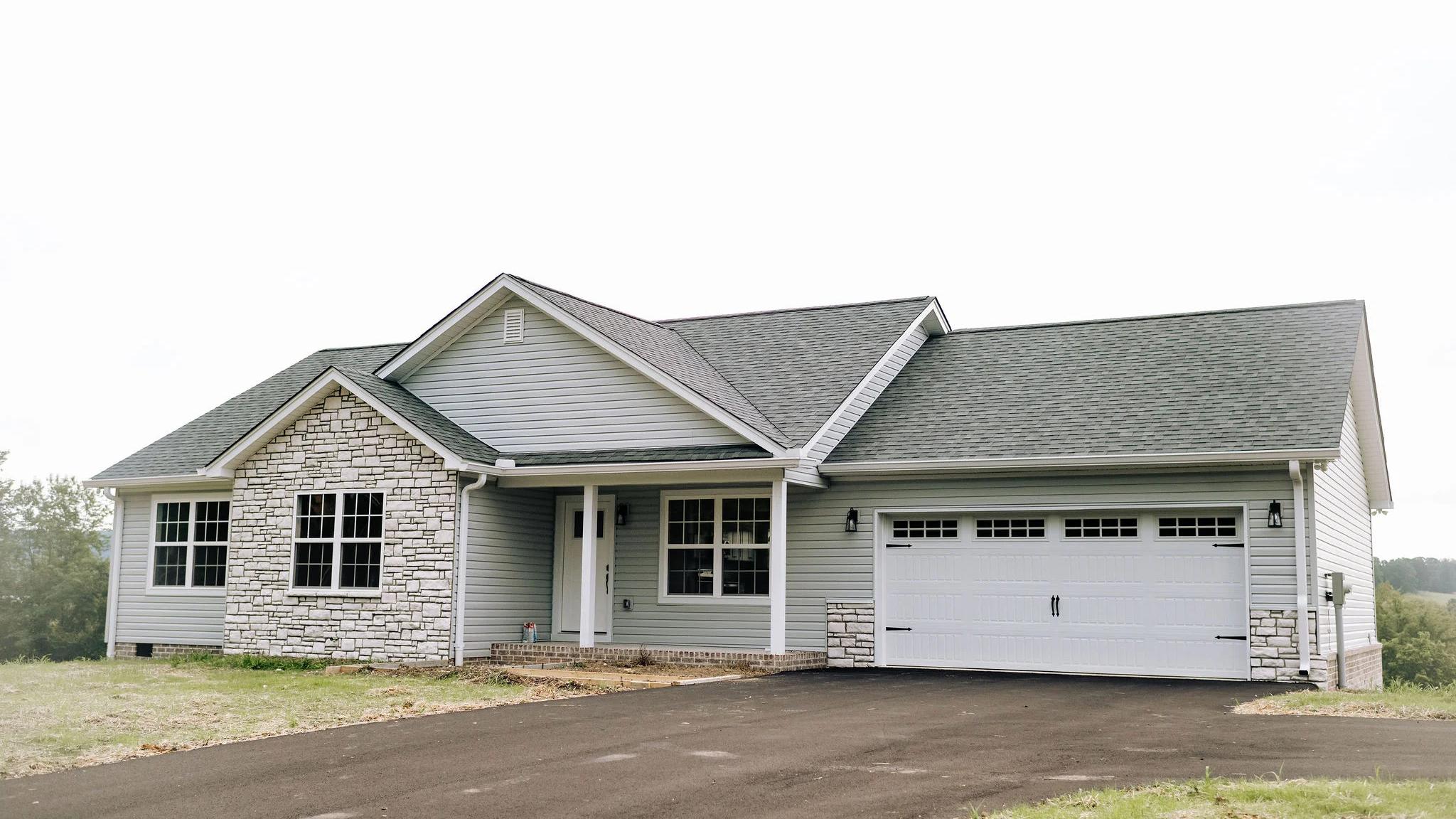
If you are weighing a home addition vs new build in Crossville, TN, you are not alone. We talk with homeowners every month who love their location, their neighbors, and their land, but feel cramped, outdated, or boxed in by a floor plan that no longer fits. Others are tired of putting money into an older structure and wonder if starting fresh makes more sense.
From our perspective as a residential builder serving the Upper Cumberland from Cookeville, the right answer depends on a few practical factors: your existing home’s structure, your lot and zoning constraints, the scope of the changes you want, and how much disruption your household can tolerate. Cost matters too, but the lowest initial price is not always the best long-term value.
In this guide, we will walk through cost to build a new home vs addition, realistic timelines, permitting and inspections, day-to-day disruption, and resale considerations specific to the Crossville area. By the end, you should have a clear way to decide whether to expand what you have or rebuild with confidence.
Quick framing: what are you really trying to solve?
Before we compare numbers, we encourage homeowners to define the goal in plain language. Most projects fall into one of these buckets:
- More space: a new primary suite, a bigger kitchen, a bonus room, or a garage.
- Better layout: opening up living areas, improving flow, adding storage, or creating a home office.
- Modern performance: better insulation, new windows, improved HVAC, fewer drafts, and lower utility bills.
- Accessibility: wider doorways, zero-step entries, curbless showers, or a first-floor bedroom.
- Peace of mind: eliminating recurring maintenance issues, old wiring, or chronic moisture problems.
If your main goal is “we need one more bedroom,” an addition may solve it cleanly. If your goal is “we want a totally different house,” a new build often delivers a better result with fewer compromises.
When we help Crossville homeowners answer should I add on or rebuild, we start with a site visit and a feasibility check. That includes looking at the foundation, framing, rooflines, mechanical systems, and how the home sits on the lot. Those details drive both cost and timeline.
Home addition vs new build Crossville TN: cost ranges and what drives them
Homeowners often want a single number, but real pricing depends on complexity. Still, you can plan with realistic ranges.
Typical cost drivers for a home addition
- Foundation type and access: crawlspace vs slab, soil conditions, and room for equipment.
- Roof tie-ins: matching pitches, valleys, and water management so you do not create leaks.
- Structural modifications: removing load-bearing walls, adding beams, or reframing openings.
- Mechanical extensions: expanding HVAC capacity, relocating ductwork, upgrading electrical panels, and plumbing runs.
- Finish matching: blending siding, brick, flooring, trim profiles, and paint so the addition looks original.
In the Crossville area, a smaller bump-out or single-room expansion often lands in a broad range of $250 to $450 per square foot, depending on finishes and structural complexity. A primary suite addition with a high-end bathroom can push higher because plumbing, tile work, and custom cabinetry add up quickly.
Typical cost drivers for building new
New construction gives you a clean slate, but you may have site-related costs that do not exist with an addition.
- Site work: clearing, grading, driveway, and drainage.
- Utilities: water, sewer or septic, power, and internet runs.
- Permitting and impact items: depending on jurisdiction and lot conditions.
- Selections and scope: cabinetry, windows, exterior materials, and mechanical efficiency targets.
For many homeowners comparing cost to build new home vs addition, new build pricing can be competitive on a per-square-foot basis because the work is more linear and predictable. In our experience, custom new builds commonly fall into a wide range of $200 to $400+ per square foot depending on design, site complexity, and finishes.
The hidden math: cost per square foot vs cost per outcome
Here is the key: additions often look “cheaper” because you are building fewer square feet. But if you need to rework a kitchen, move plumbing, and upgrade electrical to support the new space, the total project cost can approach a new build without giving you a fully updated home.
- A homeowner wants a bigger kitchen, a pantry, and an open living area.
- The existing home has low ceiling heights, older wiring, and a layout with multiple load-bearing walls.
- An addition adds space, but the interior remodel is where the complexity lives.
In that scenario, we often recommend pricing both paths. Sometimes the addition plus remodel is the right call, but sometimes rebuilding delivers the layout, efficiency, and long-term durability you wanted from the start.
If you want help scoping options, our Home Design & Planning process is built for exactly this kind of decision-making.
Construction timeline comparison: what to expect in Crossville
When homeowners ask for a construction timeline comparison, we break it into two phases: pre-construction and construction.
Pre-construction: design, engineering, and selections
Whether you add on or build new, the early work matters.
For an addition, pre-construction often includes:
- Measuring the existing home and confirming structure
- Concept drawings and budget alignment
- Engineering for beams, headers, and foundation details
- Selection planning so you are not waiting on materials mid-project
For a new build, pre-construction often includes:
- Full plan development and revisions
- Site planning (driveway, grading, drainage)
- Structural design, energy details, and mechanical layout
- A more complete selection package
In general, additions can move faster through design if the scope is modest. Larger additions that change layout, rooflines, or mechanical systems can take just as long as a new build to plan correctly.
Build phase: addition timeline vs new build timeline
Typical construction ranges we see:
- Moderate home addition (one or two rooms, limited interior rework): often 8 to 16 weeks after permits and materials are lined up.
- Addition plus major renovation (kitchen rework, structural changes, multiple trades overlapping): often 4 to 8 months.
- New custom home: often 6 to 10+ months, depending on size, complexity, weather, and selections.
Weather matters in the Upper Cumberland. Heavy rains can slow excavation, concrete, and site access. We plan schedules around realistic seasonal conditions, and we focus on getting the building dried-in quickly to protect materials and keep progress steady.
If you are looking for a builder familiar with the area, we actively serve Crossville and can talk through what timelines typically look like for your neighborhood and lot type.
Disruption and livability: the real-life cost most people underestimate
Budget and timeline are important, but daily disruption is often what homeowners remember most.
What living through an addition is really like
Many families try to stay in the home during an addition. Sometimes that works, but it depends on where the work is happening.
Expect:
- Noise and dust: demolition, framing, and drywall sanding are unavoidable.
- Temporary loss of rooms: if we have to open walls, relocate plumbing, or rework electrical.
- Daily jobsite traffic: crews, deliveries, dumpsters, and inspections.
- Safety planning: keeping kids and pets away from active work zones.
We reduce disruption with containment walls, negative air filtration when needed, and clear access routes. Still, if the project involves kitchens, primary bathrooms, or major structural work, many homeowners choose temporary housing for at least part of the build.
New build disruption: less inside chaos, more logistics
- You may need interim housing until completion.
- If you are rebuilding on the same lot, demolition and site work come first.
- Utility coordination and inspections can affect move-in timing.
For homeowners who work from home or have young children, the “quiet separation” of a new build is a significant advantage.
Permitting, inspections, and code considerations in Crossville
Permitting is not just paperwork, it is how your project stays safe, insurable, and compliant.
Additions: code triggers and common inspection points
When you add onto an existing home, you are tying into older construction. That can trigger updates depending on scope.
Common addition-related considerations:
- Egress and safety: bedroom egress windows, smoke and carbon monoxide detectors.
- Structural load paths: proper headers, beams, and foundation support.
- Energy code: insulation levels, window performance, and air sealing in the new work.
- Electrical capacity: older homes may need panel upgrades to safely add circuits.
We often see homeowners surprised by how much coordination goes into blending new code-compliant work with older conditions. That is why we document existing conditions early and build a clear plan for inspections.
New builds: clearer compliance, more total steps
New construction generally follows a straightforward inspection path: footing, foundation, framing, rough-in trades, insulation, and final. Because everything is new, there are fewer “unknowns” behind walls.
That said, site-specific requirements can add steps, especially if grading and drainage need extra attention.
Important note: permitting requirements can vary by jurisdiction and site conditions. We always recommend confirming the current local process early, especially if you are outside city limits or dealing with septic considerations.
Long-term value: ROI, efficiency, and resale in the Crossville market
Homeowners frequently ask about return on investment home addition vs rebuilding. The honest answer is that ROI depends on neighborhood expectations, quality of workmanship, and how well the final home matches what buyers want.
When additions tend to pay off
Additions often deliver strong value when they:
- Add a primary suite or an additional bathroom
- Improve functional space like a mudroom, laundry, or pantry
- Create a garage or storage that fits the property
- Maintain a cohesive exterior look and roofline
If the addition feels seamless, buyers often value it as if it was always part of the home.
When rebuilding can be the smarter long-term investment
- The existing home has widespread issues (outdated wiring, chronic moisture, failing windows)
- The layout is fundamentally inefficient
- You want modern performance (air sealing, insulation, HVAC zoning)
- You plan to stay long-term and want lower maintenance
New homes typically offer better predictability in maintenance and energy costs. Over a 10 to 20 year horizon, that can matter as much as the upfront price.
Neighborhood fit and appraisal reality
Crossville has a mix of established neighborhoods, rural properties, and lake-area homes. Appraisal value is influenced by what is typical for the immediate area. Overbuilding can be a risk whether you add on or rebuild.
We help homeowners avoid that by:
- Reviewing comparable homes in the area
- Aligning scope and finishes to neighborhood expectations
- Designing for livability first, then resale strength
If you are thinking about a brand-new custom home, our Custom Home Building team can help you plan a home that fits your lifestyle and the local market.
Choosing the right path: a practical decision checklist
If you are stuck between home expansion options and starting over, here is the framework we use in early conversations.
A home addition is often the right choice if:
- You like your current location, lot, and neighbors.
- Your existing foundation and framing are in good shape.
- You only need targeted space, like one bedroom, a suite, or a garage.
- Your current layout works, it is just missing square footage.
- You can tolerate some disruption, or you can phase the work.
A new build is often the right choice if:
- You want a significantly different layout or style.
- The existing home has multiple systems nearing end of life.
- You want higher energy efficiency and lower maintenance.
- The addition would require major structural rework and still feel compromised.
- You need a predictable timeline and fewer surprises behind walls.
The tie-breaker: feasibility and budget clarity
We recommend pricing both options when the decision is close. A detailed scope and realistic allowances are the only way to compare fairly.
When we build budgets, we break costs into categories homeowners can understand:
- Site work and foundation
- Framing and exterior shell
- Mechanical systems (HVAC, plumbing, electrical)
- Insulation and drywall
- Cabinets, countertops, flooring, tile
- Trim, paint, and fixtures
- Permits, dumpsters, and jobsite protection
This approach makes it easier to see where the money is going and where you can adjust scope without sacrificing quality.
If you are leaning toward expanding, our Home Renovations & Additions service is designed to help you add space while protecting the integrity of the existing home.
What we recommend doing next (before you commit either way)
Most expensive mistakes happen when homeowners commit to a direction before verifying the basics. Here are the steps we suggest in Crossville:
- Get a condition check of the existing home: look for signs of moisture, settling, outdated wiring, and undersized HVAC.
- Confirm lot constraints: setbacks, easements, driveway access, and septic field location if applicable.
- Define your must-haves: number of bedrooms, bath count, storage, and daily flow.
- Decide your tolerance for disruption: can you live through it, or do you need to move out temporarily?
- Build a realistic budget with contingencies: additions especially can uncover surprises.
We do not believe in pushing homeowners toward the biggest project. We believe in building the right project. Sometimes that is a smart addition. Sometimes it is a fresh start.
Conclusion: addition or new build, the best choice is the one you can live with for years
Deciding between an addition and a new build is ultimately about tradeoffs. Additions can preserve what you love about your current home and keep you rooted in your Crossville community, but they can come with more unknowns, more disruption, and design compromises. New construction can deliver a clean-slate layout, better efficiency, and fewer surprises, but it may involve higher site costs and a longer overall path to move-in.
If you want experienced builder input on home addition vs new build Crossville TN, we would be glad to help you compare options with clear numbers and a realistic schedule. Start with our Residential Construction Services and we will talk through your goals, your lot, and the smartest next step for your home.
Frequently Asked Questions
It depends on the scope and the condition of the existing home. A modest addition can be less expensive in total dollars, but complex tie-ins, structural changes, and system upgrades can narrow the gap. We recommend comparing two detailed scopes so you can evaluate true total cost, not just cost per square foot.


