

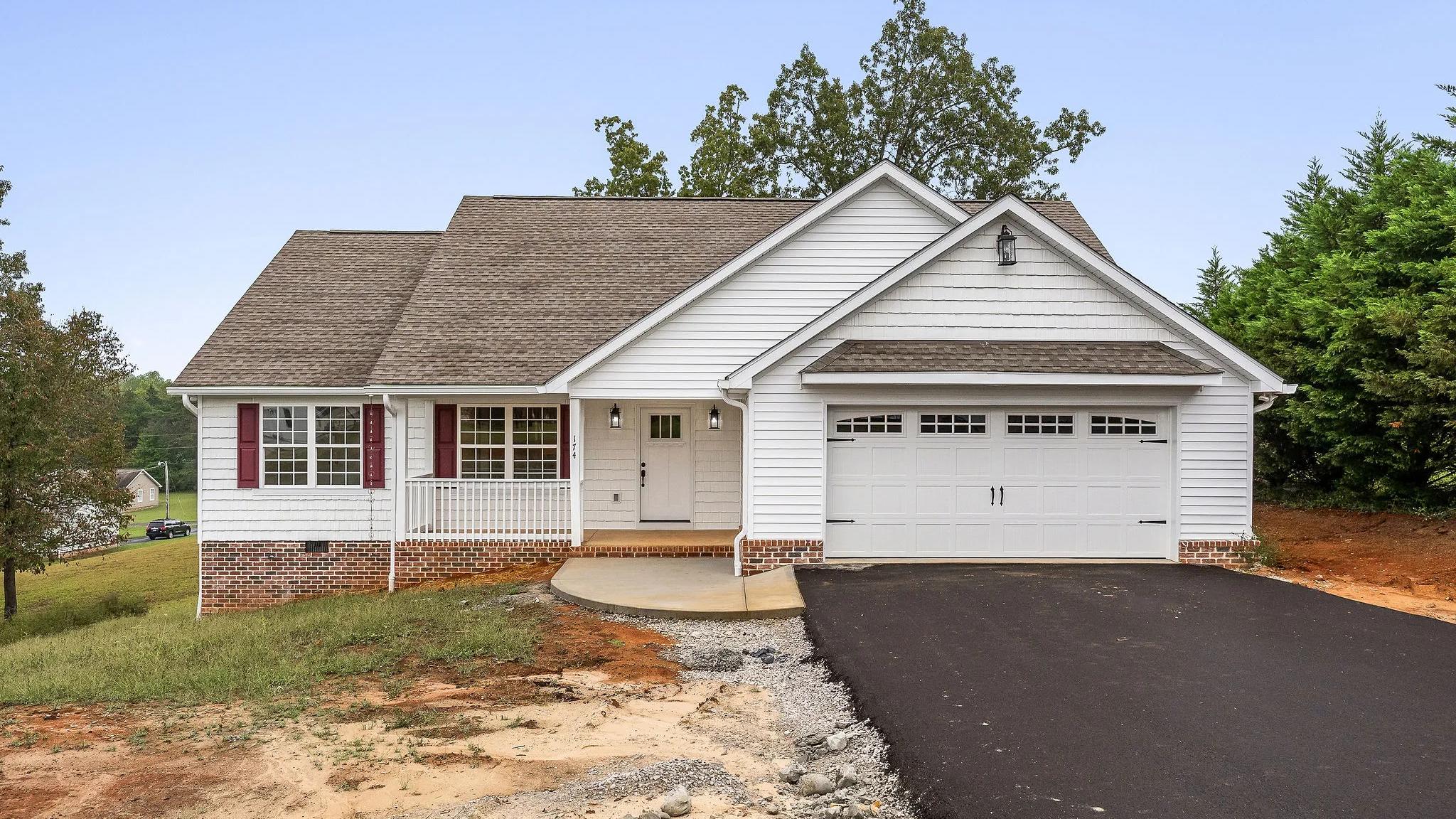
If you have a folder full of inspiration photos, you are already ahead. The hard part is turning those ideas into a home that fits your land, your budget, and the realities of construction. That is where custom home design planning matters most. Great design is not just about how a home looks, it is about how it builds.
At Crosland Construction in Cookeville, we see a common pattern across the Upper Cumberland. Homeowners come in with beautiful images from Pinterest or model homes, then get surprised when the first draft price is higher than expected or the plan does not fit the site. The good news is that most of these issues are solvable early, before you spend money reworking drawings or changing selections mid-build.
In this guide, we will walk through the residential design process we use to help clients move from inspiration to construction-ready plans. You will learn how layout decisions affect cost, what “buildability” really means, how structural spans and HVAC planning influence your floor plan, and how to make finish selections that keep your project on track.
Start With Goals, Site Reality, and a Budget Range
Define the way you live (not just what you like)
In early planning, we ask questions that sound simple but drive major design choices:
- Do you host large family gatherings or mostly quiet evenings?
- Do you want a dedicated home office, or a flexible space that can become one later?
- How many people need a bathroom at the same time on weekday mornings?
- Are you planning to age in place, with fewer stairs and wider clearances?
This is home layout planning at its best. It is less about copying a picture and more about building a flow that supports your routines.
Let the site lead the plan
In the Cookeville area and surrounding communities, the site can influence design more than people expect. Slope, soil conditions, driveway access, and utilities all affect foundation type, excavation costs, and even where the best views are.
- Sloped lots can increase grading and retaining needs, but they can also create great walkout basement opportunities.
- Long driveways and rural access can change how we plan for deliveries, concrete trucks, and staging.
- Septic and well placement (when applicable) can limit the footprint location and impact where bathrooms and kitchens make the most sense.
If you are planning a build in Cookeville or nearby areas, getting eyes on the property early helps avoid redesigns later.
Set a budget range early, then design to it
“Designing to budget” usually means deciding where to invest and where to simplify. For example, you might prioritize a larger covered back porch and a great kitchen, then keep secondary bedrooms more efficient.
Buildability 101: Why Some Great Ideas Are Hard (or Expensive) to Build
Buildability is the difference between a plan that looks good on paper and a plan that can be built efficiently, safely, and predictably.
Layout flow and framing efficiency
Small shifts in layout can create big swings in cost. Here are common examples we see:
- Overly complex footprints with lots of corners increase foundation, framing labor, and roofing complexity.
- Misaligned walls can require extra beams, posts, or complicated load paths.
- Random ceiling height changes can add framing time and make HVAC duct routing harder.
Wet wall and plumbing stacking
Bathrooms, kitchens, laundry rooms, and mechanical rooms drive plumbing cost. When we can cluster these spaces or stack them logically in a two-story design, we reduce:
- Long drain runs
- Extra venting complexity
- Floor system modifications
- Labor hours
This is one of the most effective “quiet” ways to control cost during custom home design planning without sacrificing the look of the home.
Rooflines, valleys, and water management
Roof complexity is a hidden budget driver. More valleys and intersections mean more labor, more flashing details, and more places where water management has to be executed perfectly.
In Tennessee, we get heavy rains and seasonal storms, so simple, well-detailed rooflines often perform better long-term. A design that is easier to waterproof is a design that protects your investment.
Structural Spans: The Design Choice That Shows Up in Your Estimate
When homeowners ask why two similar-size homes can have very different prices, structural spans are often part of the answer.
What “span” means in plain language
- Larger engineered beams (LVL or steel)
- More complex framing details
- Higher labor and sometimes additional equipment
Open-concept living is still very achievable. The key is planning the structure intentionally, not discovering conflicts after the plan is drawn.
Real-world scenario: the “one giant room” request
- The width of the room
- The floor system above (if any)
- The roof load and truss design
- Whether we can hide beams in ceiling depth
Sometimes a small design adjustment, like adding a partial wall, a cased opening, or a strategically placed column, creates a similar feel with a much more efficient structure. That is smart value engineering that preserves the intent of the design.
Coordinate structure early to avoid plan revisions
The best time to solve span issues is during the design and planning phase, before drawings are finalized. That is one reason we encourage clients to involve the builder early, especially for custom home building.
HVAC Planning: Comfort, Efficiency, and Layout Working Together
HVAC is not just a mechanical decision. It is a design decision. Duct routes, equipment locations, and zoning all interact with ceiling heights, floor plans, and even window placement.
Plan mechanical space on purpose
Every home needs space for:
- Air handler or furnace location
- Return air paths
- Duct trunks and branch runs
- Condenser placement outside
When a plan does not reserve mechanical space, HVAC ends up squeezed into soffits, closets, or awkward chases that steal storage and complicate framing. Planning early keeps ceilings cleaner and improves service access later.
Zoning and room-by-room comfort
In the Upper Cumberland, we see hot, humid summers and cold snaps in winter. A well-planned system often includes zoning or thoughtful duct design so that:
- West-facing rooms do not overheat in the afternoon
- Bonus rooms stay comfortable year-round
- Master suites are not too cold at night
Windows, orientation, and energy performance
Inspiration photos often feature large glass walls. Those can be beautiful, but they should be balanced with performance considerations:
- Orientation to sun exposure
- Overhangs or porch roofs for shading
- Window specs and glazing choices
This is where design, comfort, and budget meet. Better planning reduces the risk of overspending on equipment to compensate for preventable heat gain or loss.
Finish Selections: How Choices Affect Cost, Timeline, and Change Orders
Finish selections are where many projects either stay smooth or start to drift. The earlier you make key selections, the more accurate your pricing and schedule can be.
Selections that should be decided early
Not every finish must be chosen on day one, but certain decisions affect rough-ins, framing, and ordering:
- Cabinet layout and appliance sizes
- Plumbing fixture locations (especially for freestanding tubs, pot fillers, and wall-mounted faucets)
- Tile layouts in showers (niches, benches, and waterproofing details)
- Flooring types and transitions
- Lighting plan and switch locations
When these are decided early, your plan becomes more buildable and your estimate becomes more reliable.
How selections change the “real” cost of a plan
Two homes with the same square footage can vary dramatically based on:
- Custom cabinets vs stock or semi-custom
- Stone countertops vs laminate or solid surface
- Site-finished hardwood vs LVP
- Specialty windows and exterior doors
- High-end trim packages and custom built-ins
Avoiding change orders with a selection schedule
One of the most effective tools we use is a selection schedule tied to the construction timeline. It keeps decisions from landing late, which can cause:
- Rushed choices
- Backordered materials
- Rework and added labor
If you are considering a major update to an existing home, the same selection discipline applies to home renovations and additions. Renovations often have tighter constraints, so early decisions matter even more.
What Makes a Plan “Construction-Ready” (and Why It Saves Money)
Drawings that reduce surprises in the field
- Dimensioned floor plans with clear wall locations
- Elevations that match the floor plan and show exterior materials
- Building sections and details (especially at roof transitions and porches)
- Structural information and framing plans as required
- Electrical and lighting plans
- Plumbing layouts and fixture schedule
- HVAC design intent (often coordinated with the HVAC contractor)
The more complete the drawings, the fewer “guess decisions” happen on site. Guess decisions are where budget creep starts.
Code and permitting considerations in Tennessee
While requirements vary by jurisdiction, a solid plan set should anticipate typical building code expectations, including:
- Egress and safety requirements
- Stair geometry and handrail rules
- Smoke and CO alarm locations
- Energy code considerations (insulation values, window performance)
We always recommend confirming permit requirements early for your specific location. The goal is to keep approvals predictable and avoid redesigns late in the process.
The role of specifications
Specifications are the written companion to drawings. They clarify what products, allowances, and installation standards are expected. Even a simple spec sheet can help prevent misunderstandings about:
- Siding and roofing products
- Flooring and trim scope
- Paint levels and prep
- Fixture allowances
This is a key trust-building step in the residential design process.
Value Engineering Without “Cheapening” the Home
Value engineering gets a bad reputation because people associate it with cutting quality. Done correctly, it is about protecting the design intent while spending smarter.
High-impact ways to control cost
These are common value engineering moves that preserve the look and livability:
- Simplify the roofline while keeping the same exterior style
- Reduce wasted hallway space and increase usable square footage
- Standardize window sizes where possible
- Use engineered flooring in secondary areas and reserve hardwood for main living
- Design built-ins strategically instead of adding them everywhere
Know what not to value-engineer
Some items are expensive to upgrade later, so we encourage clients to get these right up front:
- Site work and drainage planning
- Structural capacity for future changes
- Electrical service size and panel space
- Mechanical design and duct routing
- Waterproofing details in showers and exterior transitions
In our experience, the best projects are not the ones with the most upgrades. They are the ones where the upgrades were chosen intentionally.
A Practical Step-by-Step Residential Design Process (From Inspiration to Start Date)
If you are wondering what the path looks like from “ideas” to “we are ready to build,” here is a realistic sequence that keeps design aligned with budget and buildability.
1) Collect inspiration, then translate it into priorities
Bring photos, but also write down what you like about them. Is it the ceiling height, the window wall, the kitchen layout, the exterior materials? This helps avoid designing around a detail that is not actually important to you.
2) Confirm site constraints and feasibility
Before finalizing a footprint, confirm access, slope, utilities, and any restrictions. This is where local experience matters, especially in rural pockets around Cookeville.
3) Create a schematic layout and validate the budget
This is the time to test big moves. Room sizes, overall footprint, garage configuration, porch depth, and ceiling heights all affect cost.
4) Coordinate structure and mechanical planning
This is where buildability gets locked in. Spans, beam locations, HVAC routes, and mechanical space should be coordinated before drawings are finalized.
5) Make key finish selections that affect rough-ins
Cabinet layouts, plumbing fixture types, and lighting plans should be far enough along to avoid field changes.
6) Finalize construction-ready drawings and scope
At this stage, you want a set of plans that trades can price accurately. This is also where allowances and specifications should be clarified.
When you are ready to move from planning to execution, we can support the full process through home design and planning and broader residential construction services.
Conclusion: A Buildable Plan Is the Best Investment You Can Make Before You Build
Inspiration is important, but a successful build comes from decisions that hold up in the real world. When custom home design planning accounts for layout flow, structural spans, HVAC planning, and finish selections, you get a home that is comfortable, efficient, and far less likely to face costly mid-project changes.
If you are building in Cookeville or the surrounding Upper Cumberland communities, the best next step is a planning conversation that connects your ideas to a realistic scope and budget. When you are ready, explore our custom home building and new home construction services, then reach out to start turning your inspiration into construction-ready plans.
Frequently Asked Questions
Ideally, involve a builder during schematic design, before drawings are finalized. Early input helps confirm buildability, flag costly structural spans, and align selections and systems (like HVAC) with your budget so the plan can become truly construction-ready.


