

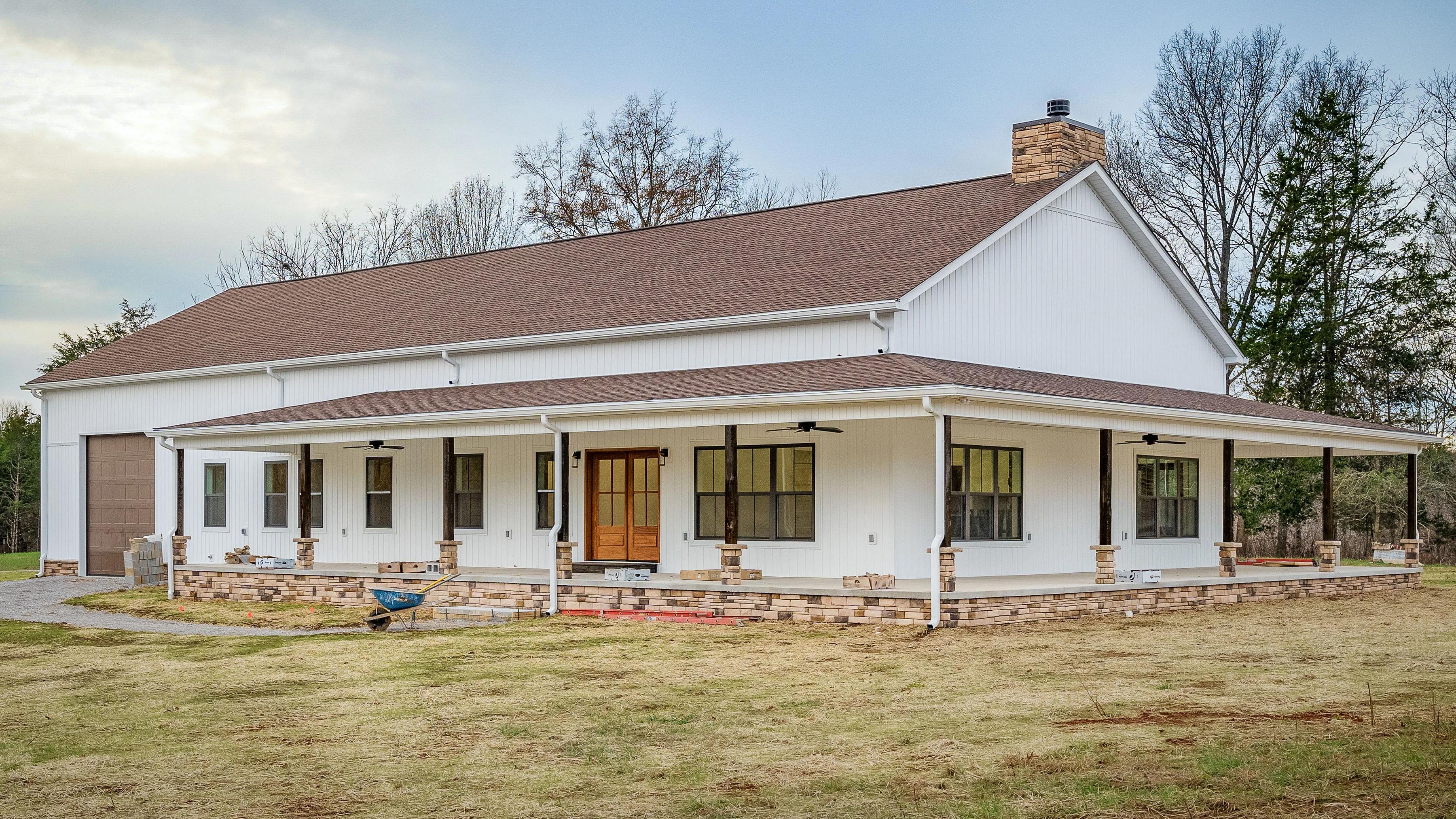
Building a custom home is exciting, but it can feel overwhelming if you do not know what comes next. If you are searching for the custom home building process in Cookeville, TN, you are probably trying to answer practical questions like, “How long will it take?” “What do I need to decide first?” and “How do I keep my budget from drifting?”
In the Upper Cumberland, a custom build has a few local realities that shape the timeline and the decisions. Lot conditions can vary from in-town neighborhoods to ridge properties, septic and well requirements can change the design, and permitting steps can differ depending on whether you are inside city limits or in a surrounding county area. The good news is that once you understand the phases and the construction milestones, the process becomes predictable.
This guide walks you through each stage, from researching land and planning the layout to permits, the home building timeline in Tennessee, key inspections, and the final walkthrough checklist. It is written for first-time custom home clients who want a clear roadmap and a better way to communicate with their builder.
Phase 1: Lot research and feasibility (before design gets serious)
Start with how you will live on the property
Before you talk square footage, think about daily life:
- Commute and school routes: How will the drive feel in traffic or bad weather?
- Sun orientation: Morning light in the kitchen, afternoon heat on the back porch, and where you want shade.
- Outdoor use: Space for kids, pets, a garden, or a future pool.
If you are building in or near Cookeville, the lot may be more straightforward for utilities, but tighter setbacks and neighborhood considerations can influence design. If you are looking toward surrounding communities like Sparta or Livingston, you may have more acreage, but you also may need more site work planning.
Verify utilities and site constraints early
These items affect budget and schedule more than most first-time clients expect:
- Water and sewer vs. well and septic: Septic feasibility can influence where the house sits and how the floor plan lays out.
- Electric and internet availability: Extending service can add cost and time.
- Driveway access and grade: Steep drives may require additional base, drainage, or retaining.
- Stormwater drainage: Managing runoff protects your foundation and landscaping.
Phase 2: Pre-construction planning, budget, and builder selection
This is where a smooth project is won or lost. Pre-construction planning is not just paperwork. It is where you align expectations, establish a realistic budget, and set the communication rhythm that will carry you through the build.
If you are evaluating a custom home builder in Cookeville, look for a team that can explain not only what they build, but how they manage decisions, schedules, and changes. A custom build is a collaboration, and the best outcomes come when the process is clear.
Define your budget the way builders price homes
Online cost per square foot estimates can be misleading. A better way to think about budget is to break it into categories:
- Site work: clearing, grading, driveway, utilities, septic or sewer tie-in
- Foundation and framing
- Mechanical systems: HVAC, plumbing, electrical
- Interior selections: cabinets, countertops, flooring, tile, fixtures
- Exterior selections: siding, brick or stone, roofing, windows, decks
- Soft costs: design, engineering, permits, inspections
- Contingency: commonly 5 to 10 percent depending on complexity and site unknowns
Choose a delivery approach that matches your comfort level
Your builder may offer different ways to structure the project:
- Fixed price: more predictable, but requires detailed selections and scope clarity
- Cost plus: transparent costs, flexible for changes, but needs disciplined decision-making
Either way, the most important factor is how clearly the scope is defined and how changes are documented.
If you want a team that can guide you from concept to keys, explore our Custom Home Building services.
Builder-client communication: set the system now
Strong builder-client communication reduces stress more than any single design choice. Before construction begins, agree on:
- Primary point of contact
- Weekly update schedule (many clients prefer a weekly call plus on-site meetings at key milestones)
- How selections are approved (email, project management software, signed selection sheets)
- How change orders work (pricing, schedule impact, and sign-off)
When communication is consistent, decisions happen faster, and the home building timeline in Tennessee stays on track.
Phase 3: Design and planning (turning ideas into buildable drawings)
Design is more than making a plan look good. It is about making sure the home fits the lot, meets code, and stays within budget.
Schematic design: layout first, details later
In the early stage, focus on:
- Room sizes and flow
- Kitchen, pantry, and laundry functionality
- Storage, closets, and mudroom planning
- Window placement for light and views
- Garage size and entry points
Design development: aligning structure and systems
As plans mature, decisions start to interact:
- Rooflines and trusses affect ceiling details
- Window sizes affect structural headers and energy performance
- HVAC zoning and duct runs affect soffits and chases
- Plumbing locations affect framing and cost
This is also where local climate considerations matter. In Middle Tennessee and the Upper Cumberland, humidity control and proper ventilation are essential. A well-designed HVAC plan, quality insulation, and air sealing make a noticeable difference in comfort.
For homeowners who want a guided, build-ready plan, Crosland offers Home Design & Planning.
Engineering and specifications
Depending on the home and the lot, you may need:
- Structural engineering for beams, spans, or complex rooflines
- Site plan and grading considerations
n- Septic design if applicable
Specifications should also spell out materials and installation standards. This is one of the most effective ways to prevent misunderstandings later.
Phase 4: Permits, approvals, and pre-build logistics (the “invisible” work)
Permitting is a common source of anxiety because it can feel like nothing is happening. In reality, this stage is where the project becomes official and buildable.
Permitting and code considerations
In Tennessee, residential construction must comply with applicable building codes and local requirements. The exact permitting path depends on location. Building inside Cookeville city limits can differ from building in nearby areas, and inspections may vary based on jurisdiction.
- Which permits are required
- What drawings and documents must be submitted
- What inspections happen and when
- How long approvals typically take
Ordering long lead items
Even when the schedule looks good on paper, long lead items can affect construction milestones. Examples often include:
- Custom windows and exterior doors
- Specialty garage doors
- Cabinets and some countertop materials
- Certain plumbing fixtures and lighting packages
Pre-construction meeting and site setup
Before breaking ground, you should expect a conversation about:
- Site access and where materials will be staged
- Temporary utilities if needed
- Tree protection or erosion control
- Safety expectations for site visits
- How weather delays are handled
This is also a good time to confirm how you will handle changes. The earlier a change is made, the less it tends to cost.
Phase 5: Construction milestones (what happens in what order)
This is the part most homeowners picture, but it helps to know the sequence so you can plan visits and decisions. Below is a typical set of construction milestones for a custom home in the Cookeville area. Every home is different, and weather and inspections can shift timing, but the order is generally consistent.
Site work and foundation
What happens:
- Clearing and rough grading
- Driveway cut-in and construction entrance
- Foundation excavation
- Footings, foundation walls, waterproofing, and drainage
- Backfill and compaction
What to watch for:
- Drainage planning around the home
- Elevation and how water will flow away from the foundation
- Underground utilities and sleeves before concrete
Framing and dry-in
What happens:
- Floor system, walls, roof framing
- Sheathing, house wrap, windows, exterior doors
- Roofing installed
This is a major milestone because the home starts to look real. It is also a key time to walk the space and confirm room sizes and window placement.
Rough-ins: plumbing, electrical, HVAC
What happens:
- Plumbing supply and drain lines
- Electrical wiring, panel, and rough lighting locations
- HVAC ductwork, returns, and equipment planning
Actionable tip: Mark your daily-use locations. Think about where you will charge phones, where a vacuum will plug in, and where you want nightstand outlets. These small decisions are easiest during rough-in.
Insulation and drywall
After rough inspections, insulation goes in, then drywall. Once drywall is up, changes become more disruptive, so this is a natural “decision deadline” for many items.
Interior finishes and exterior completion
What happens:
- Trim, interior doors, and paint
- Cabinets and countertops
- Flooring and tile
- Plumbing and lighting fixtures
- Exterior siding, brick or stone, and final grading
This phase includes many selections coming together. It is also where schedule coordination matters, because multiple trades overlap.
If your project includes existing space changes, this is where renovation experience helps. For remodel work, see Home Renovations & Additions.
Final inspections and punch list
Near the end, the builder coordinates final inspections and creates a punch list, which is a list of small items to correct or complete. A professional punch list is normal. The goal is to deliver a home that is clean, complete, and functioning as designed.
Phase 6: The final walkthrough checklist (and how to feel confident at closing)
The final walkthrough is not just ceremonial. It is your chance to verify that the home is complete, safe, and operating correctly. A good builder will guide you through the home and explain how to maintain it.
Here are categories to include in your final walkthrough checklist.
Exterior and site
- Grading slopes away from the foundation
- Downspouts direct water away from the home
- Siding, brick, and trim are complete and sealed where appropriate
- Exterior outlets and lights work
- Driveway and walkways are finished as specified
Doors, windows, and finishes
- Windows open, close, and lock smoothly
- Interior doors latch correctly and do not rub
- Paint coverage looks consistent in natural light
- Trim joints are tight and caulked where needed
- Flooring transitions are clean and secure
Kitchen and baths
- Cabinets and drawers operate properly
- Countertops are sealed or finished as required
- Faucets run hot and cold, drains flow well
- Toilets flush properly and do not rock
- Tile and grout are consistent, with clean edges at corners
Mechanical systems and safety items
- HVAC runs in heating and cooling modes (as seasonally appropriate)
- Thermostats are programmed and zones are explained
- Breaker panel is labeled
- GFCI and AFCI protections are in place where required
- Smoke and carbon monoxide alarms are installed and tested
Documentation and warranty
Ask for:
- Warranty information and what is covered
- Manuals for appliances and equipment
- Paint colors and materials list for future touch-ups
- A clear process for warranty requests
Phase 7: Timeline expectations in Tennessee (and what can affect it)
Homeowners often want a single number for the home building timeline in Tennessee. While every project is unique, it is realistic to think in ranges.
Typical ranges for a custom build
Many custom homes fall into a broad window of several months to over a year depending on complexity, site conditions, and how quickly selections are made. A simpler plan on an easy lot will move faster than a complex design on a steep site with extensive site work.
Factors that commonly impact schedule
- Weather: heavy rain can slow site work and concrete schedules
- Permitting and inspections: timing can vary by jurisdiction and season
- Selection speed: delayed fixtures or cabinets can pause progress
- Change orders: changes after rough-in often add time
- Material lead times: specialty items can stretch schedules
How to protect your schedule
- Make key selections early, especially windows, cabinets, and exterior finishes
- Keep a shared decision list with deadlines
- Attend milestone walk-throughs, especially framing and rough-in
- Treat communication as part of the build, not an afterthought
What a smooth custom build looks like with the right team
We builds homes across the Upper Cumberland, including Cookeville, and supports clients through planning, building, and final delivery. If you want a team that can guide your project from concept to completion, explore New Home Construction and Residential Construction Services.
Conclusion: Your next step toward a confident custom build
The custom home building process in Cookeville, TN becomes much easier when you break it into phases: lot feasibility, pre-construction planning, design, permits, construction milestones, and a thorough final walkthrough. Each phase has decisions that affect cost, comfort, and schedule, and making those decisions at the right time is what keeps your project moving.
If you are planning a custom build in Cookeville or the surrounding Upper Cumberland, the next best step is a conversation about your lot, your priorities, and a realistic timeline. Learn more about our Custom Home Building approach, then reach out through the website to start planning a home that fits your family for the long term.
Frequently Asked Questions
Most custom homes take several months to over a year, depending on site work, permitting, plan complexity, weather, and how quickly selections are finalized. The most common schedule risks are delayed long lead items (windows, cabinets) and change orders after rough-in.


