

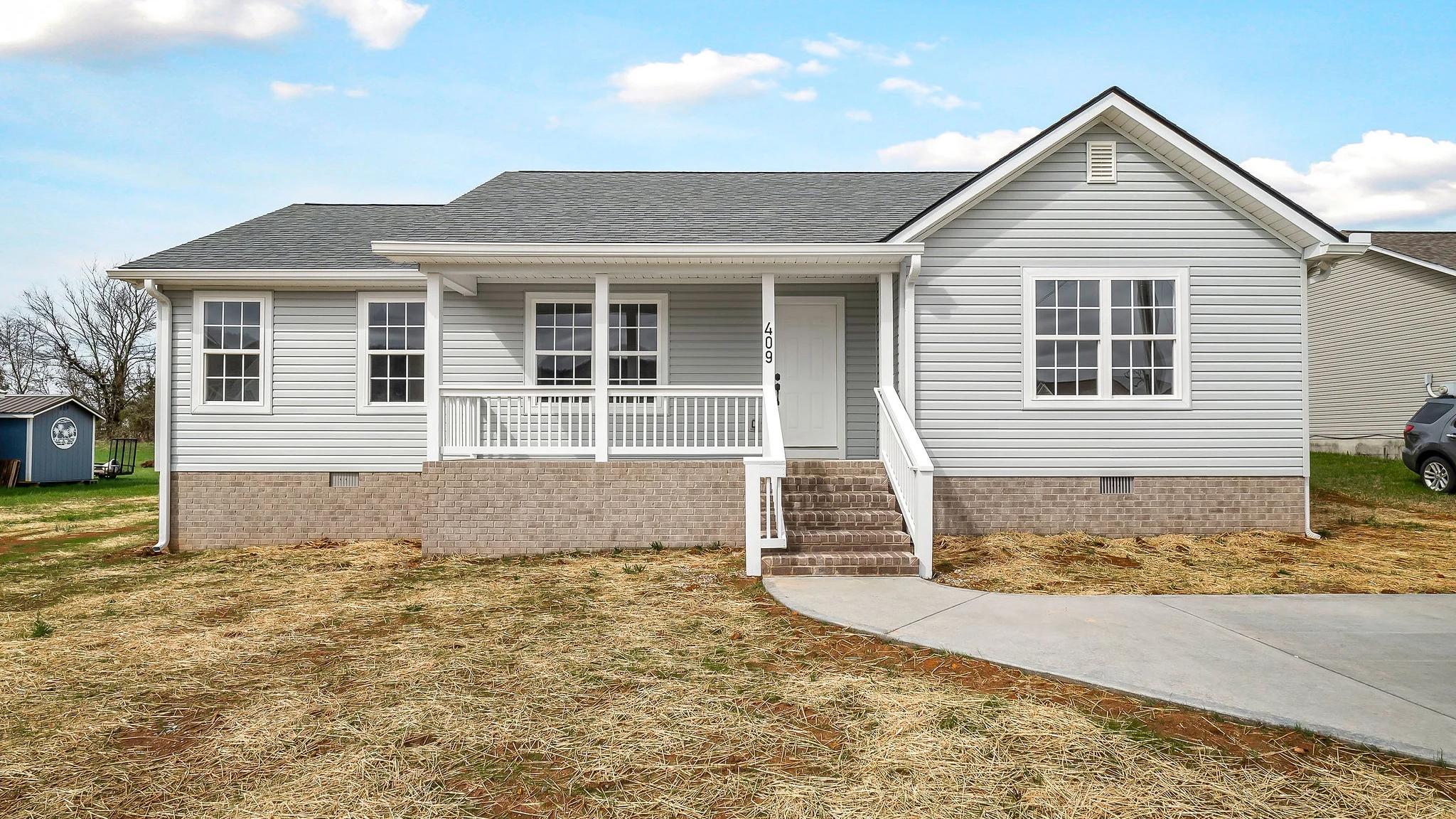
Building a custom home is exciting, but the budget can feel like a moving target until you understand where the money actually goes. If you are searching for custom home cost Cookeville TN numbers, you have probably noticed that pricing ranges can be wide. That is normal in the Upper Cumberland because land conditions, driveway length, utility access, and finish selections vary a lot from one property to the next.
At our team at Crosland Construction in Cookeville, we plan budgets by breaking the project into clear cost categories, then pairing that with realistic allowances and a contingency plan. That approach keeps you in control, even when the unknowns show up, like rock during excavation or a longer-than-expected utility run.
In this guide, we will walk through a practical custom home budget breakdown, explain why site work surprises are common in our area, and show you how to set allowances that match your lifestyle. You will also learn how builder contingency works, what you should keep in reserve as an owner, and how to make early design decisions that protect your budget without sacrificing the home you want.
What drives custom home cost in Cookeville and the Upper Cumberland
When people ask us about the cost to build a custom home in Tennessee, we start by clarifying the biggest drivers. Square footage matters, but it is not the whole story. Two homes with the same size can land in very different price brackets depending on the property and the level of customization.
Here are the factors that most often move the needle around Cookeville and nearby communities:
- Site conditions and access: Sloped lots, long driveways, and limited room for equipment can increase labor and materials. In parts of the Upper Cumberland, rock and heavy clay can also affect excavation and drainage.
- Utilities: If water, sewer, natural gas, or power are not at the road, the cost to extend services can be significant. Septic and well costs vary based on soil tests and depth.
- Foundation type: A slab, crawlspace, and basement each come with different costs and tradeoffs. Basements can be a great fit on sloped lots, but waterproofing and drainage details matter.
- Structural complexity: Rooflines, spans, and ceiling heights affect framing labor, engineered lumber, and truss packages.
- Mechanical scope: HVAC zoning, ductwork complexity, and electrical features like generator prep, EV chargers, and smart home wiring add cost.
- Finish level: Cabinets, countertops, flooring, tile, trim details, and fixtures are often where budgets expand quickly.
If you are in the early stage and want a plan that connects design choices to real pricing, our Home Design & Planning process is built around aligning the home’s layout and specifications with a budget that makes sense for your family.
Custom home budget breakdown: where the dollars typically go
Percentages vary by project, but the categories below reflect how we typically see costs distributed for custom builds in and around Cookeville.
1) Preconstruction, design, and permitting (about 2% to 6%)
This includes the work that happens before the first scoop of dirt, such as plan development, engineering, and the time spent pricing and refining selections. Depending on the property, it may also include:
- Surveying and site plan work
- Soil evaluations and septic permitting steps (when applicable)
- Structural engineering for beams, trusses, or retaining walls
- Permit and inspection fees (local requirements can vary)
Even if this category is a smaller portion of the total, it has an outsized impact on budget control. The more decisions we can lock in early, the fewer surprises you will face during construction.
2) Site work and utilities (about 8% to 20%)
Site work is one of the most variable parts of a Cookeville custom home budget. It can be straightforward on a flat lot with utilities nearby, or it can become a major line item on rural acreage.
Common site work costs include:
- Clearing and grubbing
- Rough grading and erosion control
- Excavation for the foundation
- Driveway and culvert installation
- Rock removal (when encountered)
- Trenching for water, electric, and communication lines
- Septic system or sewer connection
- Temporary power and construction entrance
Local experience matters here. In the Upper Cumberland, we often see properties where the building site is set back from the road, which increases driveway and utility runs. We also plan for drainage early because heavy rains can expose weak grading plans fast.
If you are building in Cookeville or nearby areas with more elevation changes, we recommend budgeting conservatively for site work until you have a clear plan for driveway grade, stormwater flow, and foundation approach.
3) Foundation (about 8% to 15%)
Foundation costs depend heavily on soil conditions, slope, and design. A slab-on-grade can be efficient, while crawlspaces and basements can add cost but provide access and storage.
Typical foundation scope includes:
- Footings and foundation walls
- Vapor barriers and insulation details (as specified)
- Drainage systems and waterproofing where needed
- Slab prep and concrete placement
- Termite treatment (common in Tennessee)
The best budget protection move here is matching the foundation type to the lot. For example, a steep lot might make a basement feel like the obvious choice, but the real decision should consider excavation, drainage, and long-term moisture management.
4) Framing and exterior shell (about 20% to 30%)
This is the “bones” of the home. It includes structural framing, roof system, sheathing, and often the windows and exterior doors.
Cost drivers in this category include:
- Roof complexity (valleys, dormers, multiple pitches)
- Tall ceilings and open spans that require engineered beams
- Window size and performance ratings
- Exterior door packages and specialty openings
We often remind clients that the exterior shell is where you buy durability. Upgrading to better windows or improving air sealing can raise upfront cost, but it can reduce comfort issues and energy bills for years.
5) MEPs: mechanical, electrical, plumbing (about 15% to 25%)
MEPs are the systems that make a home livable, and they are also a common source of budget creep if the plan is not detailed.
Examples include:
- Plumbing: supply and drain lines, water heater selection, fixture rough-ins, and specialty items like pot fillers or recirculation loops
- Electrical: service size, panel, wiring, lighting, receptacles, smoke detectors, exterior lighting, and low-voltage wiring
- HVAC: equipment, ductwork, zoning, ventilation, and controls
In our experience, homeowners often underestimate how quickly electrical and plumbing selections add up. Extra recessed lights, under-cabinet lighting, additional hose bibs, and upgraded fixtures can be worth it, but they should be planned and priced early.
6) Insulation, drywall, and interior surfaces (about 10% to 15%)
Once the home is dried in and systems are roughed in, the project starts to feel like a house. This phase includes:
- Insulation packages (batt, blown, spray foam, or combinations)
- Drywall hanging and finishing
- Interior paint and primer
Insulation and air sealing are often overlooked in online budget discussions, but in Tennessee’s mixed climate, they matter. A good building envelope supports comfort, humidity control, and long-term performance.
7) Finishes: cabinets, flooring, trim, tile, fixtures (about 20% to 35%)
This is the category that most directly reflects your style. It is also where allowances can make or break a budget.
Finish costs typically include:
- Cabinets and hardware
- Countertops
- Flooring (hardwood, LVP, tile, carpet)
- Interior trim and doors
- Tile showers and backsplashes
- Plumbing fixtures and lighting fixtures
- Appliances (depending on contract scope)
8) General conditions, project management, and overhead (varies)
Every well-run job has costs that do not show up as a single material selection. This includes things like:
- Site supervision and scheduling
- Temporary facilities and safety measures
- Cleanup and waste removal
- Insurance and compliance
- Coordination with trades and inspections
This is also part of what you are buying when you hire a professional builder. A smooth schedule and consistent quality control usually save money compared to a project that drags out with rework.
If you are comparing builders, make sure you are comparing scope, not just a bottom-line number.
Allowances explained: how to avoid the most common budget surprises
If you have seen the term construction allowances in a proposal, it means a portion of the budget is set aside for items that will be selected later. Allowances are normal in custom building, but they need to be realistic.
What should be in an allowance (and what should not)
Allowances work best for finish items where your taste drives the final price. Examples:
- Lighting fixtures
- Plumbing fixtures
- Tile and flooring
- Cabinet hardware
- Appliances (if not selected yet)
Allowances are riskier for scope items that can change due to field conditions, like excavation or rock. Those should be handled with careful site evaluation and clear language in the contract.
How we set allowances that match real shopping in Cookeville
We encourage clients to think about allowances based on what they will actually buy, not the lowest possible option. A realistic allowance is built by:
- Identifying the number of items (for example, how many plumbing fixtures, how many light fixtures, how many square feet of tile).
- Setting a target quality level (builder grade, mid-range, premium).
- Pricing based on local availability and lead times.
If you are building a one-of-a-kind home, our Custom Home Building process is designed to get these decisions into the plan early so allowances are fewer, and the ones that remain are realistic.
Builder contingency vs owner contingency: how much to set aside
Two different “buffers” matter in a well-built budget: the builder’s contingency and the owner’s contingency. They are related, but not the same.
Builder contingency (what it is)
Examples that can trigger builder contingency use:
- Minor plan clarifications that become necessary after framing
- Small quantities of additional material due to field conditions
- Unforeseen coordination needs between trades
Contingency is not meant to cover major scope changes, like adding a bonus room or switching all finishes to premium after the contract is signed. That is a change order.
Owner contingency (what we recommend)
We also recommend homeowners keep an owner contingency reserve, especially for:
- Upgrades you might choose after seeing the space framed
- Furniture, window treatments, and landscaping (often outside the construction contract)
- Utility connection fees or service upgrades that are discovered late
For many custom builds, a reasonable planning range is 5% to 10% of the construction budget as an owner reserve. The right number depends on how finalized your plans and selections are, and how complex the site is.
If the home is being built on rural land in areas like Sparta or Livingston, we tend to advise leaning toward the higher end until septic, driveway, and utility scopes are fully defined.
Budgeting smarter in the Upper Cumberland: practical steps that actually work
Online calculators can be a starting point, but they do not account for the realities of a specific lot in Tennessee. Here are the steps we use with clients to create a budget that holds up.
Start with the lot and access plan, not just the floor plan
Before you fall in love with a design, confirm:
- Where the driveway will enter and how steep it will be
- Where the home will sit and how water will drain away
- Whether you need retaining walls or significant fill
- Where utilities will come from and how far they must run
This is the difference between a theoretical budget and a buildable budget.
Define “must-haves” vs “nice-to-haves” early
We recommend you list your must-haves in three categories:
- Performance: insulation level, window quality, HVAC comfort goals
- Layout: number of bedrooms, office needs, pantry size, mudroom
- Finishes: the few items you care about most (for many families, it is cabinets and the primary bath)
Then decide where you are flexible. This makes it easier to protect the budget without feeling like you are giving up everything.
Use allowances strategically, and keep them visible
- Quantity assumptions
- Unit pricing targets
- What is included in labor versus material
If you cannot tell what an allowance covers, it is hard to control.
Watch the “hidden” costs outside the builder contract
- Land purchase and closing costs
- Construction loan fees and interest
- Surveying and geotechnical work
- Landscaping, fencing, and exterior lighting
- Driveway final surface (gravel versus asphalt or concrete)
- Mailbox, house numbers, and sometimes internet service setup
We prefer to talk about these early because they affect your total cash plan, even if they are not line items in the build contract.
Plan for lead times and price volatility
Even when pricing is more stable than it was a few years ago, lead times still affect cost. Special order windows, custom cabinets, and certain fixtures can create schedule pressure. Schedule pressure often creates cost pressure.
If you want the best balance of selection and control, start fixture and finish decisions early, especially for:
- Cabinets and countertops
- Windows and exterior doors
- Tile packages
- Lighting
Our New Home Construction planning approach includes early selection milestones so the budget is not surprised late in the build.
A realistic example budget scenario (how decisions change the total)
To make the numbers feel more real, here is a simplified scenario we often see.
- A mix of open living space and defined rooms
- A crawlspace foundation
- Mid-range cabinets and countertops
- Tile shower in the primary bath
- Standard driveway length and utilities at the road
In that scenario, the budget tends to stay predictable because site work is controlled and finish selections are aligned with the allowance plan.
Now change just a few inputs:
- The lot is 800 feet off the road, requiring a longer driveway and longer utility trenches.
- The home is placed on a slope, and drainage needs increase.
- The family upgrades to premium windows, custom cabinetry, and higher-end lighting.
The square footage did not change, but the total project cost can shift meaningfully because site work and finishes are two of the biggest swing categories. This is why we focus on a cost breakdown first, then refine specifications until the budget and the vision match.
If you are considering an addition or major remodel instead of a full custom build, our Home Renovations & Additions services can be a smart way to reach your goals while working within a different cost structure.
Conclusion: build a budget that fits your lot, your goals, and real-world conditions
If you want a clear plan for your custom home budget breakdown, we can help you connect your floor plan, lot conditions, and finish goals to a buildable budget. Explore our Home Design & Planning process or reach out through our website to talk through your property and timeline. The earlier we can evaluate site work and selections, the more confident you can feel about the final number.
Frequently Asked Questions
For many custom builds, we recommend planning an owner reserve of 5% to 10% of the construction budget. If the lot has unknowns (septic, long driveway, rock, steep slope), leaning higher is often safer.


