

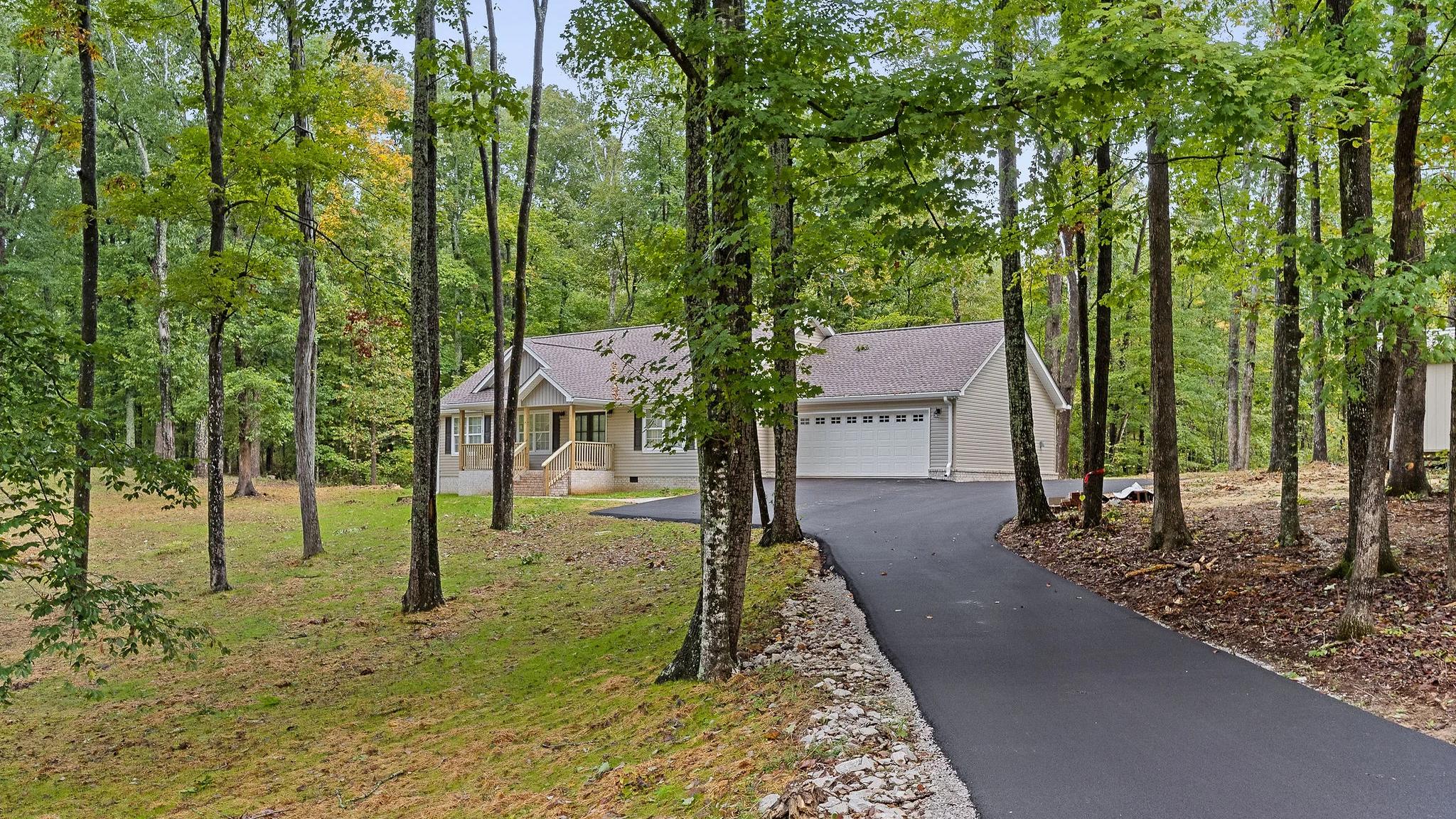
Building on a hillside lot can feel like you found the perfect view, right up until the first site-work estimate lands in your inbox. In Smithville, TN, we regularly walk lots that look “buildable” at a glance, but have hidden challenges like shallow rock, fast-moving runoff during storms, or a steep approach off a county road. If you are thinking about building on sloped land in Smithville TN, the goal is not to avoid slopes. The goal is to plan for them early so your driveway, drainage, retaining walls, and foundation work together.
We build throughout the Upper Cumberland from our base in Cookeville, and we have seen how uneven lots can drive costs when grading, erosion control, and access are not addressed during design. In this guide, we will cover practical driveway slope requirements, grading and drainage planning, hillside home foundation options (crawlspace, basement, slab), when retaining walls make sense, and what typically moves the budget on sloped sites. You will also learn what we look for during a site visit so you can make smarter decisions before you buy a lot or finalize house plans.
Start With the Lot: What We Evaluate Before Design
Slope, shape, and “where the water wants to go”
We start by identifying the direction of fall, any natural swales, and where stormwater concentrates. In Smithville and DeKalb County, a lot can look dry on a sunny day and still carry significant runoff during heavy rains. If a neighboring property drains toward your building pad, you may need more robust grading and drainage solutions than you expected.
We also look at whether the lot is a simple, uniform slope or an irregular hillside with benches and dips. Irregular terrain can increase site prep for uneven lots because it often requires a combination of cut and fill, plus careful compaction.
Soil, rock, and bearing conditions
Hillside lots can have shallow topsoil over rock, or pockets of softer soils that need stabilization. The only way to know is to verify with field observations and, when appropriate, a geotechnical evaluation. For foundation design, we care about:
- Bearing capacity and consistency across the footprint
- Depth to rock
- Seasonal moisture changes and drainage patterns
- Evidence of prior fill material
This is one reason we encourage homeowners to involve a builder early during home design and planning. It is much easier to adjust a plan than to force a plan onto a site. If you are in the Smithville area, our team can help you think through options during the planning stage through our Home Design & Planning service.
Access and utilities
Access is a major cost driver on steep lots. We evaluate how equipment will reach the pad, where material deliveries can stage, and whether utility runs will require trenching through rock or long distances. If the only feasible driveway route is long and steep, that affects both construction logistics and long-term usability.
If you are building locally, you can learn more about our work in the area on our Smithville page.
Driveway Slope Requirements and Safe Access Planning
Driveways are one of the most underestimated parts of building on sloped land. A driveway that “fits” on paper can still be unsafe in rain, hard to navigate in a low-clearance vehicle, or difficult for concrete trucks and emergency vehicles.
What driveway slope is realistic?
Exact limits vary based on surface type, length, and transitions, and local conditions matter. As a practical rule, we aim for a driveway that most vehicles can use comfortably year-round, not just on dry days. Steeper driveways may be possible, but they often require extra measures like improved base, surface selection, drainage control, and careful grading at transitions.
Key considerations we plan for:
- Approach angle at the road: A steep driveway that meets the road abruptly can cause scraping and can be hazardous when turning in.
- Vertical transitions: Even if the average slope is acceptable, sudden changes in grade create problems.
- Surface choice: Gravel can work well with proper base and drainage, but steep gravel driveways can rut and wash if runoff is not controlled.
- Turnarounds and parking: On a hillside, you need a flat or gently sloped area for parking, backing, and deliveries.
Drainage at the driveway
Driveways often become unintended drainage channels. If runoff flows down the driveway, it can:
- Erode gravel and expose base material
- Undermine asphalt edges
- Stain or damage concrete
- Send water toward the garage or crawlspace
We typically plan driveway drainage with a combination of shaping, swales, and where needed, piping or cross drains. The goal is to intercept water and move it away from the driveway surface before it gains speed.
Real-world Smithville scenario
We have walked lots near Center Hill Lake where the only reasonable house pad sits above the road. The first instinct is a straight shot driveway up the slope. Often, the better solution is a longer driveway with a gentler grade, sometimes with a curve to follow contour lines. That can add length and cost, but it usually improves safety, reduces erosion, and makes daily life easier.
Grading and Drainage: The Make-or-Break Work on Hillside Lots
If you want to avoid surprise expenses, focus on grading and drainage early. Most problems we see on sloped builds trace back to water management that was treated as an afterthought.
Cut and fill, compaction, and pad design
Hillside construction often involves cutting into the slope and using the excavated material as fill elsewhere. Fill is not “free dirt.” It must be placed and compacted correctly, in lifts, to reduce settlement.
We plan grading with these goals:
- Create a stable building pad with proper compaction
- Maintain positive drainage away from the home
- Minimize overly steep exposed slopes that are hard to stabilize
- Balance earthwork when possible to reduce hauling costs
If the site requires imported fill or exporting excess material, budget can move quickly. Hauling is one of the most common hidden costs on uneven lots.
Surface water control: keep water moving away from the home
On sloped land, you are often managing water from above the home as much as water around it. Best practices typically include:
- Swales and berms uphill to redirect runoff around the home
- Gutters and downspouts tied into solid piping, discharging to a safe outlet
- Splash blocks or extensions are rarely enough on steep sites
- Rock, vegetation, and erosion control blankets on disturbed slopes
In Tennessee, intense rain events can overwhelm simple solutions. We plan discharge points carefully so water does not create a gully, wash out a neighbor, or undermine a retaining wall.
Subsurface drainage: when it matters
If you are considering a basement or a stepped foundation, subsurface drainage becomes critical. Depending on conditions, that may include perimeter drains, free-draining backfill, and waterproofing details appropriate for the foundation type.
We also look for signs of perched water, springs, or seep areas. Those do not always show up in dry months. If a lot has persistent wet zones, we may recommend additional investigation before finalizing foundation design.
Erosion control and permit realities
Erosion control is not optional, and on sloped sites it is more involved. Silt fencing, stabilized construction entrances, and proper sequencing can prevent sediment from leaving the property. In our experience, it is cheaper to install erosion control correctly than to fix a washed-out slope or deal with a failed inspection.
For homeowners, the key takeaway is simple: plan for erosion control as part of your site prep scope, not as an add-on.
Retaining Walls: When They Are Worth It and What Drives Cost
Retaining walls can be the right solution, but they are rarely the first thing we recommend. A wall should solve a specific problem, not just “make the slope disappear.”
When retaining walls make sense
We commonly consider retaining walls when you need to:
- Create a usable yard or patio area on a steep lot
n- Support a driveway cut where slopes would otherwise be too steep
- Protect a foundation area from sloughing soil
- Reduce the footprint of grading when you want to preserve trees or minimize disturbance
In many cases, a combination of modest walls and smart grading is more cost-effective than one large wall.
Retaining wall costs: what affects the budget
Homeowners often search for retaining wall costs expecting a simple per-foot number. In reality, wall pricing depends heavily on site conditions and engineering requirements.
The biggest cost drivers include:
- Wall height and length (taller walls often require engineering)
- Drainage behind the wall (critical to prevent pressure buildup)
- Footing depth and soil conditions
- Access for equipment and material delivery
- Wall type (segmental block, poured concrete, poured-in-place with stone veneer, etc.)
- Guardrails or safety measures near steep drops
We also factor long-term performance. A wall that is under-drained or improperly built may lean, crack, or fail. On hillside lots, we treat wall drainage and backfill details as non-negotiable.
A practical planning tip
If you are early in the process, ask your builder to sketch two site concepts:
- A design that relies mostly on grading and slope shaping
- A design that uses targeted retaining walls to reduce grading
Comparing the two options can clarify whether walls are a smart investment or an unnecessary expense.
Hillside Home Foundation Options: Crawlspace, Basement, or Slab?
Choosing the right foundation is one of the most important decisions when building on uneven ground. The best option depends on slope, soil, water, budget, and how you want to use the home.
Crawlspace foundations on sloped lots
Crawlspaces are common in our region and can work well on slopes because they allow the home to step with the terrain. Benefits include:
- Less excavation than a full basement in many cases
- Easier access to plumbing and mechanicals
- Flexibility for minor grade changes
On steep lots, crawlspaces can become tall on the downhill side. That may require taller foundation walls, additional bracing, and careful detailing for drainage and access.
We also pay attention to moisture control. Proper ground cover, ventilation strategy, and drainage planning matter, especially in humid Tennessee summers.
Basement foundations for hillside builds
However, basements raise the stakes on water management. Waterproofing, perimeter drains, and proper backfill are essential. If the hillside funnels water toward the back of the home, we may need additional uphill interception drainage.
Basements can also increase excavation cost, particularly if rock is close to the surface. On lots with shallow rock, blasting or heavy hammering can change the budget quickly.
Slab foundations on uneven lots
Slabs can still work on gentle slopes or when paired with stem walls that reduce the amount of fill needed. The best approach depends on how much elevation change you have across the footprint.
Choosing the right option for your lot
When homeowners ask us about hillside home foundation options, we focus on three questions:
- Where can we place the home to minimize extreme cuts and fills?
- How will we keep water away from the foundation year-round?
- Which foundation type gives you the best long-term value for your budget and layout?
If you are considering a custom plan designed around a sloped site, our Custom Home Building team can help align layout, foundation choice, and site-work scope so you are not redesigning midstream.
Site Prep for Uneven Lots: The Line Items That Surprise Homeowners
Many homeowners budget for the house itself and underestimate the land. On sloped lots, site prep for uneven lots can include several items that do not show up on flat builds.
Common site-work scope items on hillside lots
Depending on the property, your site-work budget may include:
- Clearing and tree protection measures
- Temporary construction entrance and access road improvements
- Rough grading, cut and fill, and compaction testing
- Rock excavation or hammering
- Driveway base and surface, plus drainage structures
- Retaining walls or slope stabilization
- Utility trenching, sometimes with longer runs
- Stormwater management features
- Final grading, seeding, straw, and erosion control matting
Why “it’s just dirt work” is rarely true
Earthwork is engineering, even when it looks simple. Poorly compacted fill can settle and crack flatwork. Bad drainage can saturate soils and create movement. Uncontrolled runoff can wash out a driveway in one storm.
We prefer to identify these risks upfront and build a scope that matches the site. That is part of our broader Residential Construction Services approach, we want the project to perform for the long haul, not just pass final inspection.
Cost implications: what tends to move the number
While every lot is different, these factors commonly increase cost on sloped builds:
- Longer or steeper driveway requiring more base, drainage, or paving
- Rock excavation, especially near the house footprint
- Exporting or importing soil due to imbalance of cut and fill
- Engineering needs for retaining walls or complex foundations
- Extensive drainage systems to manage uphill runoff
- Limited access that slows equipment work and increases labor
The best way to control cost is to align the house placement and foundation design with the natural contours. A small rotation of the footprint or moving the home 15 feet can sometimes reduce grading dramatically.
Design Choices That Reduce Risk and Improve Livability
Step the home with the terrain
Instead of forcing a single flat platform, we often recommend stepping the foundation or using split-level concepts. This can reduce extreme cuts and fills and can create interesting interior spaces.
Plan outdoor living areas early
On a hillside, patios, decks, and walkways need structural planning. If you want a fire pit area, garden terrace, or flat play space, it is better to plan it during grading than to retrofit later.
Think about long-term drainage maintenance
Even the best drainage system needs occasional maintenance. We design with access in mind, cleanouts where appropriate, and discharge points that can be monitored. We also encourage homeowners to keep gutters clean and to avoid landscaping changes that redirect water toward the home.
A note on renovations and additions on sloped sites
If you already own a home in Smithville on a slope and you are planning an addition, site constraints still matter. Expanding downhill can require new retaining walls, pier systems, or significant foundation work. If you are exploring that route, our Home Renovations & Additions service can help you evaluate feasibility before you commit to a design.
Conclusion: Build the View Without the Surprises
Building on a hillside lot in Smithville can be a great decision, but sloped sites reward careful planning. The biggest success factors are safe driveway access, a drainage plan that manages both surface and subsurface water, the right foundation choice for the terrain, and realistic budgeting for grading, erosion control, and any retaining walls.
When we meet with homeowners in the Upper Cumberland, we focus on making the lot and the home work together. That is how you protect your budget and end up with a home that feels good to live in, not just good to look at.
If you are considering building on sloped land in Smithville TN, contact us early. We can walk the lot, talk through foundation and driveway options, and help you plan site-work costs before they become surprises. Explore our New Home Construction and Home Design & Planning services to get started.
Frequently Asked Questions
The best option depends on slope, soil, rock depth, and how water moves across the lot. In our experience, crawlspaces and walk-out basements are often a good fit for hillside homes because they can step with the terrain and reduce extreme cut and fill. Slabs can work on gentler slopes, but they may require more grading to create a level pad. We recommend evaluating drainage and soil conditions early so the foundation choice supports long-term performance.


