

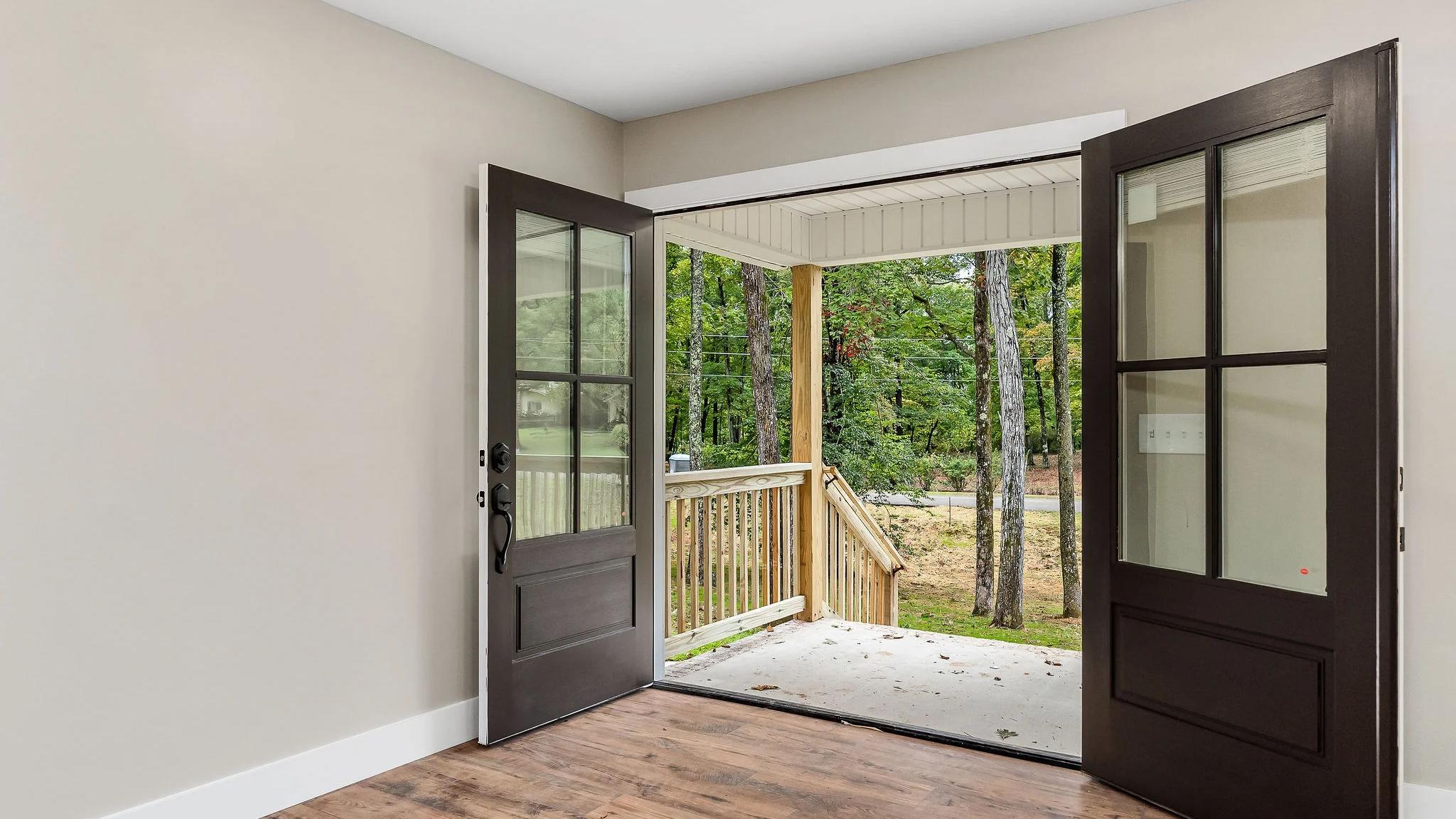
Building on rural land near Doyle, TN can be a dream come true, until the site work and utilities start adding real numbers to your budget. In the Upper Cumberland, two lots that look similar from the road can have very different build costs once you factor in access, slope, soil, and how far you are from power and water. That is why site prep for a new home is not just a “phase” of construction, it is the foundation for your schedule, your financing, and your long-term maintenance.
At Crosland Construction, based in Cookeville, we help homeowners plan rural builds across the region, including nearby communities like Doyle. In this guide, we will walk through what to evaluate before you buy or build: driveway access, clearing and grading, septic system planning, well vs city water, utility trenching, and drainage solutions. The goal is simple, align your design and budget with what the land actually needs so there are fewer surprises once equipment hits the dirt.
Start With Access: Road Frontage, Driveway Layout, and Emergency Reach
When people think about “driveway and grading costs,” they often picture the gravel and the culvert. In practice, access planning is bigger than that. A rural driveway has to work for concrete trucks, framing deliveries, septic installers, and eventually emergency services. If it is too steep, too narrow, or too soft, you can pay for it repeatedly through delays and rework.
Confirm legal and practical access
Before design, confirm:
- Recorded access and frontage (or a deeded easement). If you share an easement, clarify who maintains it.
- County road requirements for driveway permits and culverts. In many rural areas, you will need an approved entrance location and a minimum culvert size.
- Turning radius and staging space. A concrete truck needs room to get in and out without tearing up the shoulder or getting stuck.
If your property is off a narrow road or a shared lane, plan a widened section or a turnaround early. It is cheaper to build access correctly than to pay for a tow and a missed pour.
Driveway design factors that change the price
- Slope: Steep driveways often require more cut and fill, better base stone, and water control.
- Soils: Clay-heavy subgrades can pump and rut when wet. You may need geotextile fabric and more base.
- Drainage crossings: A simple culvert is one thing. A wet-weather branch or ditch crossing may require engineered solutions.
- Rock: On some ridges and knobs around this part of Tennessee, shallow rock can increase excavation time.
Practical tip from the field: if you can, walk the driveway line after a rain. You will see where water concentrates, where ruts form, and where a culvert or swale will be needed.
Clearing, Grading, and Building Pad Prep: Match the House to the Land
Site prep for a new home is where rural builds either stay on budget or start drifting. The best approach is to match the home’s footprint, elevation, and driveway approach to the natural contours, instead of forcing the land to match a plan that was drawn without site data.
Evaluate the build envelope before finalizing plans
Before you commit to a layout, look at:
- Topography: A survey with contours helps you understand cut and fill and where a walkout basement might make sense.
- Setbacks and easements: These can limit where you can place the home, septic field, and well.
- Tree clearing limits: Clearing looks straightforward, but stump removal, hauling, and burn restrictions can change costs.
If you are still in the design phase, our Home Design & Planning process focuses on making the plan fit the property, not the other way around.
Cut and fill, compaction, and why “flat” is not the goal
- Unstable fill slopes that settle over time
- Drainage problems that push water toward the foundation
- More disturbed soil that erodes during heavy rains
Best practice is to minimize earthwork while still creating a safe, buildable pad. When fill is needed, it should be placed in lifts and compacted, not just pushed into place. This matters for long-term performance, especially around driveways, garage slabs, and porches.
Rock, unsuitable soils, and the value of early test pits
In rural builds, a few test pits with an excavator can reveal what you are really building on. We have seen lots that looked perfect until you hit:
- Shallow rock that requires hammering or blasting
- Wet, organic soils that need undercut and replacement
- Springs and seep areas that show up after clearing
Spending a little up front to understand subsurface conditions can prevent major change orders later.
Septic System Planning: Soil, Layout, and Long-Term Use
Septic system planning is one of the biggest “hidden cost” categories for rural properties. The home design, the soil, and the slope all affect what type of system you can install and where it can go.
Start with the soil evaluation and perc requirements
In Tennessee, septic approval typically requires a soil evaluation by a qualified professional and approval through the local health department. The key point for homeowners is timing: you want septic feasibility confirmed before you finalize the house location.
What can complicate septic approval:
- Slow-draining soils that require larger fields or alternative systems
- Steep slopes that limit placement
- High seasonal water table
- Limited usable area due to setbacks from property lines, wells, and streams
Plan septic and well together, not separately
- Identify a likely septic field area with good soils and usable slope.
- Identify a likely well location that meets separation distances.
- Place the home to keep plumbing runs efficient and preserve future options.
If you are building a larger home or expect higher water usage, mention it early. Bedroom count, fixture count, and anticipated occupancy can influence septic sizing.
Budget considerations beyond the tank
Homeowners often budget for “a septic tank” but forget associated costs:
- Excavation and rock removal
- Pump tank or dosing system (if required)
- Longer runs from the house to the field
- Restoration, seeding, and erosion control
In rural Upper Cumberland sites, rock and slope are common cost drivers. Planning early helps you avoid last-minute redesigns.
Well vs City Water: Know Your Options Before You Set the Foundation
For many properties near Doyle, city water is not available, which means you are comparing a private well to alternative options. When people search “well vs city water,” they are often thinking about water quality. On rural builds, you should also think about reliability, maintenance, and installation logistics.
Private well basics: depth, yield, and water quality
- Drilling and casing costs, which can rise with depth and rock conditions
- Pump and pressure tank sizing
- Trenching from well to house, including conduit and frost considerations
- Water testing for bacteria and minerals
In the Upper Cumberland, it is not unusual to see mineral content that affects taste or causes staining. If testing shows hardness or iron, you may want to budget for filtration or a softener.
If city water is available, still check the details
If your parcel does have access to a public water line, confirm:
- Tap fees and meter costs
- Required line size and depth
- Whether the line is across the road or at the property corner
Plan for fire protection and outdoor use
Rural living often includes gardens, livestock, or a shop. Consider:
- Hose bib locations and yard hydrants
- Flow rate needs for irrigation
n- If you want a future detached garage or barn, plan sleeves or stub-outs now
That kind of foresight is part of smart Residential Construction Services planning, especially when trenching equipment is already on site.
Power, Internet, and Utility Trenching: Distance Is Money
Utility trenching is one of the most underestimated line items in rural builds. The cost is affected by distance, terrain, rock, and whether you need poles, transformers, or boring.
Electrical service: overhead vs underground
Start by contacting the local power provider early to understand:
- Nearest service point and whether upgrades are needed
- Transformer placement
- Easement needs for new lines
- Lead times (which can affect your build schedule)
Underground service looks clean and protects lines from storms, but it requires trenching, conduit, and careful coordination with other utilities. Overhead service can be more cost-effective in some cases, but may require additional poles and clearing.
Internet and communications: plan it like a utility
In rural areas, internet options can range from fiber to fixed wireless to satellite. Before you commit to a house site deep on acreage:
- Check provider availability at the address
- Ask about installation costs for long runs
- Consider conduit in the trench for future upgrades
Even if you do not install fiber on day one, a spare conduit can save you from digging up a finished yard later.
Coordinating trenches to reduce cost
If you have a well, power, and possibly a long driveway, you may be trenching anyway. Coordinating trench routes can reduce mobilization and restoration costs. A typical coordinated approach might include:
- Shared corridor for electric and communications (with proper separation)
- Separate water line trench at correct depth and away from septic
- Sleeves under driveways for future lines
This is one area where experienced coordination matters. On rural projects, the cheapest trench is the one you only dig once.
Drainage Solutions: Keep Water Away From the House and the Driveway
Drainage is not just about avoiding puddles. In Tennessee, heavy rain events can move a lot of water quickly, and rural sites often have longer slopes feeding runoff toward your build area. Good drainage solutions protect your foundation, driveway, septic field, and landscaping.
Start with a water map of your property
After a rain, observe:
- Where water enters the property (ditches, swales, hillside flow)
- Where it concentrates (low spots, natural channels)
- Where it exits (culverts, creek lines)
If you can, take photos and notes. This is real data that helps your builder and excavator design the right controls.
Common rural drainage tools that work
Depending on the site, solutions may include:
- Swales to intercept and redirect surface water
- Culverts sized correctly for driveway crossings
- French drains for subsurface water near foundations (when appropriate)
- Gutters and downspouts that discharge away from the home
- Grading that slopes away from the foundation on all sides
The most important principle is simple: do not let roof water and uphill runoff dump next to the foundation. Manage it intentionally and send it to a stable outlet.
Protect the septic field and avoid future repairs
Septic fields need oxygen in the soil to function properly. Surface water flowing over the field can shorten its life. When planning grading, keep stormwater away from:
- The drainfield area
- The reserve area (if designated)
- The tank lids and access points
A Real-World Planning Scenario Near Doyle: How Costs Hide in Plain Sight
Here is a scenario we see often when someone is building on rural land near Doyle, TN.
What affects the budget:
- The long driveway requires a solid base, a culvert at the draw, and careful grading to prevent washouts.
- Power is available at the road, but the long run means more materials and possibly a transformer placement decision.
- The preferred home site sits near the only good septic soil area, so the house needs to shift slightly to preserve a usable drainfield.
- A well is feasible, but the trench from well to house is longer than expected, and the family decides to add a water treatment allowance based on test results.
None of these items are “deal breakers,” but they change the true cost of the build. With early planning, you can adjust the house placement, choose a driveway alignment that drains well, and coordinate utility trenching to keep the project efficient.
If you are looking at land in or around Cookeville and the surrounding areas, this same process applies. The earlier you evaluate access, soils, and utilities, the more control you have over the final number.
How We Help: A Site-First Approach to Rural Builds
Rural construction rewards planning and punishes assumptions. Our team is based in Cookeville and builds throughout the Upper Cumberland. We bring a site-first mindset to:
- Evaluating access, grading, and drainage before final plan decisions
- Coordinating septic, well, and power layouts with the home footprint
- Identifying likely cost drivers early, including rock, long utility runs, and difficult driveway grades
If you are considering a custom build, our Custom Home Building service is designed to integrate site conditions, design goals, and realistic budgets from the start. If you already own land and are ready to move forward with a build, our New Home Construction team can help you sequence site prep and utilities so your project stays on track.
Conclusion: Budget the Site Before You Fall in Love With the Plan
Building on rural land near Doyle, TN is absolutely doable, and it can be one of the most rewarding ways to create a home that fits your lifestyle. The key is to treat site prep and utilities as the first major design decision, not an afterthought. Access, driveway layout, grading, septic system planning, well vs city water options, utility trenching, and drainage solutions all shape what your land will cost to build on.
If you are buying land or already own a tract near Doyle, we can help you evaluate the site and align your home plan with what the property needs. Explore our Home Design & Planning services or reach out through our website to start a practical, site-informed conversation before you finalize your budget.
Frequently Asked Questions
The most common hidden costs are long driveway construction, extra cut and fill during grading, rock excavation, septic system upgrades due to soil limits, long utility runs for power and water, and added drainage work to control runoff.


