

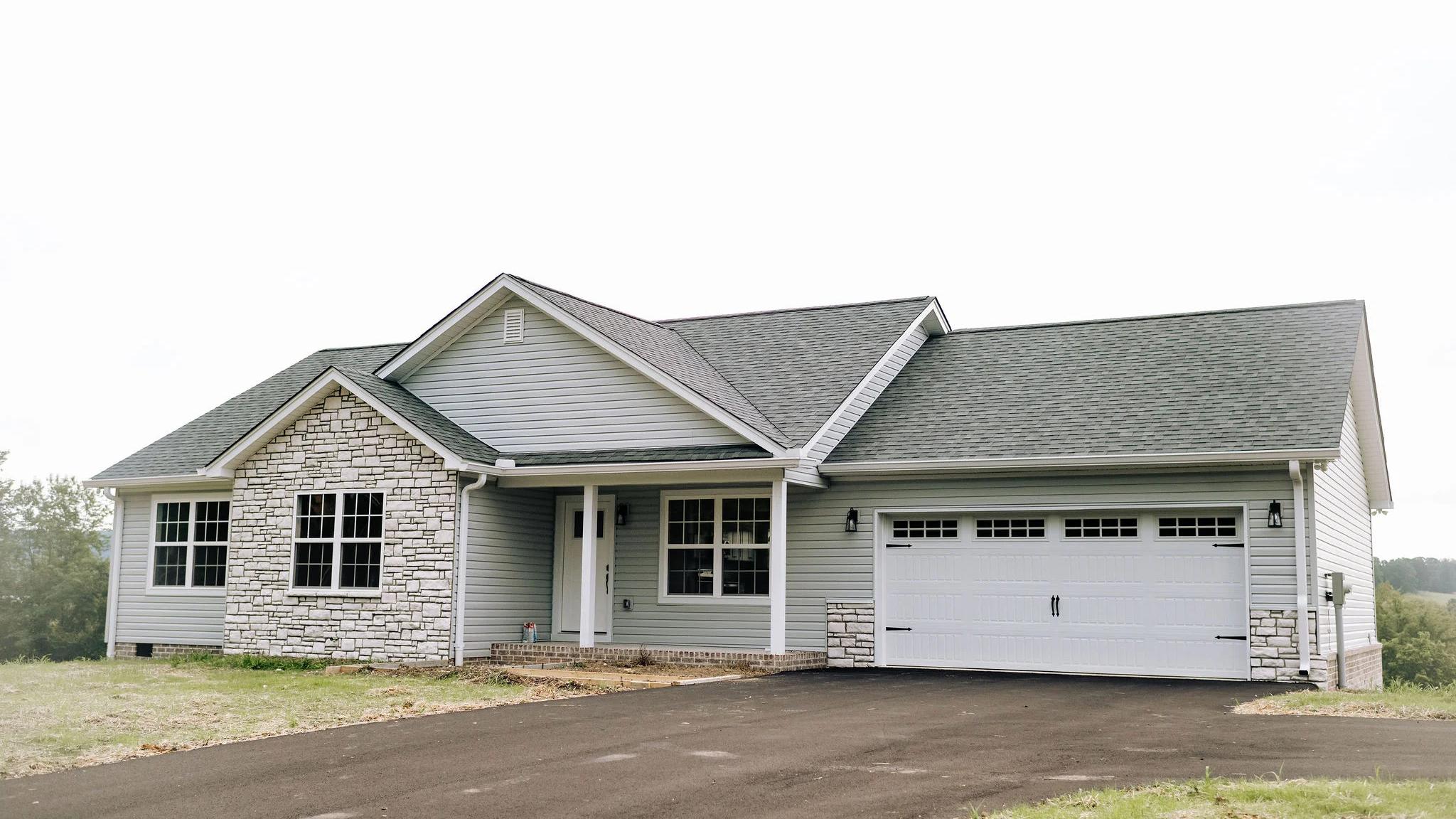
If you are trying to figure out the best time to build a house in Van Buren County, you are already ahead of most first-time builders. In the Upper Cumberland, a “start date” is not just a calendar decision. It is a coordination problem that involves weather, soil and rock, driveway access, subcontractor schedules, permit timing, and material lead times that can shift month to month.
We build throughout the year from our home base in Cookeville, and we regularly work with families planning builds in Van Buren. The truth is that almost any month can work if the plan matches the site and your priorities, but some windows reduce risk and make scheduling much smoother.
In this guide, we will walk through new home construction season in Tennessee from a Van Buren County perspective, including what weather typically impacts, how to think about site access planning (especially on rural lots), what to ask about material lead times, and how we help owners choose a start window that reduces delays.
What “starting construction” really means in Van Buren County
When people say they want to “start building,” they might mean one of several milestones. Clarifying this up front helps you plan a realistic timeline and avoid frustration.
Here are the most common start points we talk through with homeowners:
- Design start: floor plan development, preliminary pricing, and early selections.
- Preconstruction start: surveys, septic evaluation, driveway plan, clearing plan, engineering (if needed), and permit preparation.
- Site work start: clearing, rough grading, driveway and culvert work, erosion control, and temporary utilities.
- Foundation start: excavation, footings, block or poured walls, waterproofing, and backfill.
- Vertical build start: framing begins, followed by roofing, windows, and rough-ins.
In Van Buren County, the most weather-sensitive phases tend to be site work, foundation work, and exterior envelope work. Once a home is “dried in” (roof on, windows and doors installed), the schedule becomes more predictable, though you can still see delays from inspections, trade availability, and backordered finishes.
Weather realities: how each season affects construction scheduling
Weather is one of the biggest drivers of weather delays construction in the Upper Cumberland, but the impact depends on the phase of the build. Van Buren County’s elevations, shaded hollows, and rural roads can amplify issues like freezing mornings, slick clay, and storm runoff.
Spring (March to May): great momentum, but mud is the wildcard
Spring is one of the most popular times for a foundation start because temperatures are moderate and crews are eager to ramp up after winter. That said, spring can also bring:
- Saturated soils that slow excavation and make compaction tricky.
- Driveway and access issues on rural lots, especially where the entrance crosses a ditch line.
- Erosion control challenges when storms hit freshly disturbed ground.
From experience, the biggest spring scheduling surprise is not the rain itself. It is what rain does to a site that is not yet stabilized. If you are building on a sloped lot or a lot with limited access, we often recommend planning driveway improvements and stone placement early so concrete trucks and lumber deliveries are not fighting mud.
Summer (June to August): productive for framing, but heat and storms matter
Summer is usually the most consistent season for progress once you are out of the ground. Long daylight hours help, and materials can move quickly if they are available.
Common summer impacts:
- Heat and humidity can slow crews and affect cure times for some products.
- Pop-up storms can interrupt roofing, framing, and exterior work.
- Scheduling congestion because many families target summer starts.
If your goal is to reduce delays, a smart strategy is to aim for being dried in before the heaviest late-summer storm patterns. That way, interior work can continue even when the weather is unpredictable.
Fall (September to November): one of the best windows for predictable starts
In our experience, fall can be an excellent time for build start date planning in Van Buren County. Temperatures are comfortable, and rainfall is often less disruptive than spring.
Why fall starts often go smoothly:
- Better site conditions for grading and compaction.
- Comfortable temperatures for concrete work and exterior trades.
- A strong chance to get dried in before the coldest winter stretches.
If you are looking for the “sweet spot” for the best time to build a house in Van Buren County, fall is frequently it, especially for lots that need driveway work or significant grading.
Winter (December to February): possible, but plan for pauses and protection
Winter builds are absolutely doable in Tennessee, but they require realistic expectations and tighter planning.
Winter factors that commonly cause delays:
- Freeze-thaw cycles that affect excavation and concrete scheduling.
- Shorter daylight that reduces productive hours.
- Icy mornings that slow starts, especially on rural roads and steep driveways.
If you are considering a winter start, we usually focus on two things: (1) how to protect the schedule during foundation and framing, and (2) how to protect the materials and the home from moisture. A winter start can still be a good option if it helps you get ahead of peak-season subcontractor demand, but it is not the best fit for every site.
Site conditions and access planning: the Van Buren County difference
Van Buren County lots often come with beautiful views, wooded acreage, and privacy. They also come with practical realities that directly affect your start date.
Driveway access and delivery logistics
Site access planning is one of the most overlooked parts of a new build. Before we schedule excavation or concrete, we want to know:
- Can a concrete truck safely reach the pour location?
- Is there room for lumber drop, dumpster placement, and equipment turnaround?
- Will rain turn the driveway into a problem for weeks?
On rural properties, a “good enough” driveway in dry weather can become a schedule killer in wet weather. If the entrance needs a culvert, additional stone, or widening, it is often cheaper and faster to handle that early rather than paying for missed deliveries or re-mobilization.
Soil, rock, and drainage
Upper Cumberland sites can vary widely. Some lots are workable with minimal cut and fill, while others have shallow rock, heavy clay, or drainage paths that need to be respected.
These conditions influence the best start window:
- Heavy clay is harder to work when saturated. Spring can be risky for aggressive grading.
- Shallow rock can slow excavation any time of year, but winter starts can compound delays if equipment time increases.
- Drainage patterns are easiest to manage when you plan them before clearing and grading.
We often recommend a preconstruction site walk to identify where water naturally wants to go. Then we can plan swales, downspout discharge, and finished grades so you are not battling runoff after the home is complete.
Septic and utilities
Many Van Buren County builds require septic systems and sometimes longer utility runs. Your start date may depend on:
- septic soils evaluation and system design
- electrical service availability and scheduling
- well drilling timing (if applicable)
These are not always quick steps, and they can be seasonal. Planning them early is one of the best construction scheduling tips we can give, because it prevents the “we are ready to start but cannot get power” situation.
Subcontractor availability: why the calendar fills up faster than you think
Even when the weather cooperates, your project can stall if key trades are booked out. In most years, the highest demand periods are late spring through early fall.
In practical terms, subcontractor availability affects:
- foundation crews and concrete finishing
- framers and roofers
- HVAC, plumbing, electrical rough-ins
- insulation and drywall
One reason we emphasize early planning is that a good start window is not only about the weather. It is about aligning the trades so you do not frame a house and then wait weeks for rough-ins.
If you are still in the planning phase, our Home Design & Planning process is where we help families make these decisions early, before the schedule gets tight.
Material lead times: how to avoid the most common start-date mistakes
Material availability has improved compared to the most volatile years, but material lead times still matter, especially for custom selections.
Here are items that commonly influence construction scheduling in Tennessee:
- Windows and exterior doors (especially custom sizes, colors, or impact-rated options)
- Trusses (dependent on engineering and plant capacity)
- Garage doors (custom sizes and finishes)
- Cabinets (semi-custom and custom cabinetry can stretch timelines)
- Specialty siding, stone veneer, and roofing profiles
- Plumbing fixtures and lighting (backorders happen more often than people expect)
If you want a clearer picture of how we manage these moving pieces, our New Home Construction service is built around proactive scheduling, documented selections, and realistic timelines.
So, what is the best time to start new home construction in Van Buren County?
The best start window depends on your site and your priorities, but we can give you reliable guidance based on what tends to reduce delays.
Best overall window for many families: late summer through fall
If your lot needs driveway work, grading, or septic coordination, August through November often provides the most predictable combination of:
- workable soils
- easier access for trucks and equipment
- a strong chance to dry in before winter
This window is also a good fit if you want to avoid the mud-heavy spring start risk.
Best window if you want to be dried in quickly: spring foundation, early summer framing
We typically recommend spring starts when:
- the driveway can handle wet conditions
- the site drains well or can be stabilized quickly
- you have already confirmed lead times for windows, trusses, and doors
Best window if you want trade availability and pricing stability: winter preconstruction, early spring start
If you start design and preconstruction in winter, you can often be ready to break ground early spring with fewer surprises. This is where build start date planning matters most. When we can line up permits, septic design, and long-lead ordering before the busy season, the build is less likely to hit scheduling bottlenecks.
Families who choose this route often use winter months for:
- final plan decisions
- budget alignment and scope confirmation
- selections that affect lead times
If you are considering a truly custom project, our Custom Home Building process is designed to make those early decisions feel manageable, not overwhelming.
A realistic planning timeline (and how to choose your start date)
If your goal is fewer schedule surprises, we recommend thinking in terms of a planning runway rather than a single start date.
Here is a realistic timeline we often see for a custom home in Van Buren County:
- Design and budgeting (4 to 10 weeks): plan development, pricing feedback, scope decisions.
- Preconstruction and permitting (4 to 12 weeks): surveys, septic steps, engineering if needed, permit submission and review.
- Procurement (overlapping, 6 to 16 weeks): windows, doors, trusses, and other schedule-critical items.
- Site work and foundation (3 to 6 weeks): depends heavily on weather and rock.
- Framing to dry-in (4 to 10 weeks): depends on complexity and trade availability.
These ranges are not promises, and every property is different. They are meant to help you choose a start window with enough buffer.
Construction scheduling tips we use to reduce delays
These are the habits that most consistently protect the schedule:
- Walk the lot with your builder early to discuss access, drainage, and staging.
- Treat the driveway as part of the project, not an afterthought.
- Make exterior selections first (windows, doors, roofing, siding) because they control dry-in.
- Build in weather days for excavation and concrete, especially in spring.
- Avoid changing structural decisions late, because that can reset engineering, truss design, and inspections.
A quick local example from the Upper Cumberland
We have seen rural builds where an owner planned a March start, but the driveway was still native soil with a steep grade. Two heavy rain weeks turned the entrance into a bottleneck. Concrete had to be rescheduled, then excavation had to be reworked, and the whole sequence slipped.
On similar lots, when we place stone early, confirm culvert sizing, and set a staging area before the first machine arrives, the schedule is dramatically more predictable. That is the difference between hoping the weather cooperates and planning like it might not.
Permits, inspections, and code considerations in Tennessee (what affects timing)
While we cannot predict every jurisdictional timeline, there are consistent realities across residential construction in Tennessee:
- Permits and reviews take time, especially when plans change midstream.
- Septic approvals and site requirements can influence where the home sits and when you can start.
- Inspections are schedule events, meaning you want trades lined up so you are not waiting to call for an inspection.
We build to applicable codes and best practices, and we encourage homeowners to plan for inspection steps as part of the timeline, not as a last-minute phone call. When inspection days are missed, it often creates a domino effect because the next trade cannot start.
If you are comparing builders, ask how they handle preconstruction documentation, selections, and inspection coordination. Those systems matter just as much as the hammer-and-nail part of the job.
Putting it all together: choosing a start window that fits your family
The right start date is the one that matches your site and your priorities. Some families care most about moving in before a school year. Others care most about avoiding weather risk. Others want to lock in a plan and keep the process calm.
Here is how we typically guide the decision:
- If your lot is steep, wooded, or access-limited, we lean toward late summer or fall starts.
- If your lot is easy access and well-draining, spring can be a strong option.
- If you want to reduce trade competition, start design and planning in winter so you are ready when crews ramp up.
If you are building in or near Van Buren and want a realistic schedule, we can help you map a start window based on your lot, your design, and current lead times. Many of our clients also compare nearby markets and timelines in the region, including Cookeville, and we can talk through how those logistics differ.
Conclusion
The best time to start new home construction in Van Buren County is less about picking a perfect month and more about aligning weather risk, site conditions, subcontractor availability, and material lead times. For many families, late summer through fall offers the most predictable path, while spring can be excellent when access and drainage are handled early. Winter starts can work too, as long as the plan includes realistic buffers and protection for weather-sensitive phases.
If you want fewer surprises, start with a site walk, confirm driveway and septic needs, and identify long-lead materials before you lock a foundation date. When you are ready, explore our Residential Construction Services or our Home Design & Planning process, and contact us to talk through a start window that fits your property and your timeline.
Frequently Asked Questions
For many Van Buren County sites, late summer through fall (August to November) is a strong window because soils are often more workable and you have a better chance of getting dried in before winter. Spring (March to May) can also work well if driveway access and drainage are addressed early.


