

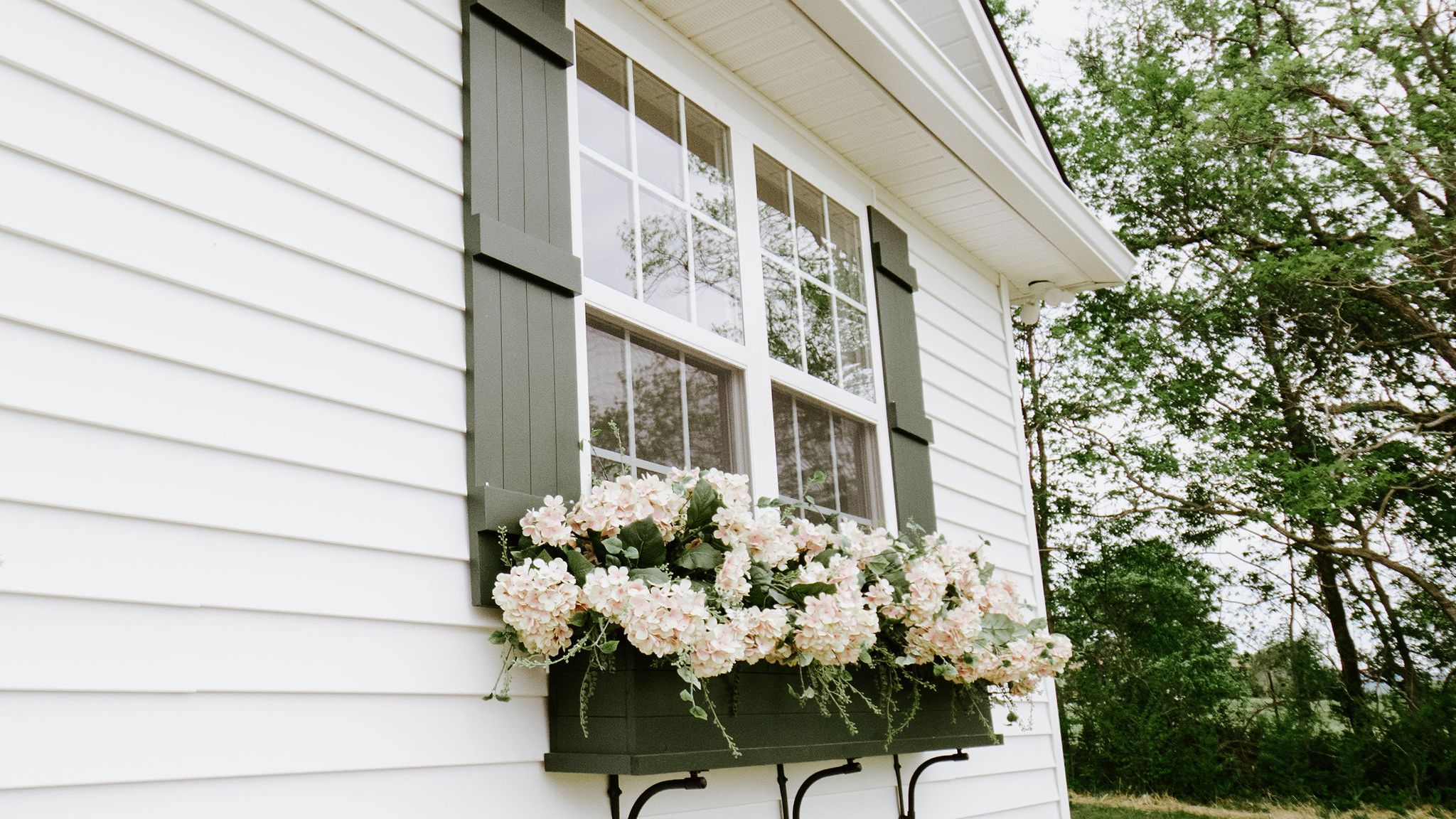
Choosing siding in Tennessee is not just about curb appeal. In the Upper Cumberland, we see hot, humid summers, wind-driven rain, and cold snaps that can expose weak spots in an exterior. If you are planning a new build or a home exterior renovation, the “best siding for Tennessee homes” is the material that fits your moisture risk, maintenance tolerance, and budget, not just what looks good on day one.
From our work around Cookeville and the surrounding communities, we have learned that the right siding choice comes down to a few practical questions. How well does it handle humidity and bulk water? What happens when lawn sprinklers, splashback, or shaded walls keep it damp? How often will you realistically repaint, wash, or re-caulk? And what kind of long-term value do you want, whether that means fewer repairs, better resale appeal, or a longer replacement cycle?
In this guide, we compare the most common siding options we install and repair in Tennessee, including vinyl, fiber cement, engineered wood, and several other exterior materials. We will break down durability, maintenance, moisture performance, and cost considerations so you can make a confident decision for your home.
What Tennessee weather demands from siding
Tennessee homes face a combination that is hard on exterior cladding: humidity plus rain plus temperature swings. Add in shaded elevations, tree cover, and the occasional severe storm, and you get conditions where water management and material stability matter as much as appearance.
Here is what we design and build around in the Upper Cumberland:
- High humidity and long drying times: North-facing walls or homes tucked into tree lines can stay damp longer after rain. That increases the risk of paint failure, swelling, and mold or mildew staining.
- Wind-driven rain: Storms can push water behind loose panels, around windows, and at roof-to-wall intersections. Siding needs good detailing and a proper weather-resistant barrier behind it.
- Freeze-thaw cycles: Even if winters are mild overall, a few hard freezes can exploit small cracks, gaps, or saturated materials.
- UV exposure and heat: South and west elevations take a beating. Some materials fade, warp, or become brittle faster when heat and sun are constant.
From an E-E-A-T standpoint, this is where we see homeowners get surprised. The siding itself is only part of the system. Flashing, caulking strategy, drainage planes, and ventilation gaps are what keep the wall assembly healthy. When we help clients with Home Design & Planning, we treat siding as a full exterior assembly, not a surface finish.
Quick comparison: durability, maintenance, and moisture performance
Before we go material by material, here is the big-picture way we compare siding cost and durability in Tennessee conditions.
What we mean by “durability”
Durability is not just impact resistance. We look at:
- Resistance to moisture absorption and swelling
- Resistance to rot, insects, and fungal growth
- Ability to handle movement from heat and seasonal change
- How well it holds paint or color over time
- How forgiving it is if maintenance is delayed
What we mean by “maintenance”
Low maintenance exterior materials usually still need:
- Periodic washing to reduce mildew and pollen staining
- Caulk inspection at trim, penetrations, and transitions
- Touch-ups or repainting cycles (for painted products)
Vinyl siding: budget-friendly and low maintenance, with tradeoffs
Vinyl is one of the most common choices we see on existing homes across the region, and it can be a smart option when the goal is low maintenance with a controlled budget.
Pros of vinyl siding in Tennessee
- Low maintenance: It does not need painting. A yearly wash usually keeps it looking good.
- Moisture resistant on the surface: Vinyl itself does not rot.
- Cost-effective: Often one of the most affordable ways to refresh a home exterior renovation.
- Many profiles and colors: You can get a clean look without custom paint work.
Cons of vinyl siding in Tennessee
- Heat and movement: Vinyl expands and contracts noticeably. If it is installed too tight, it can buckle or wave in summer heat.
- Impact damage: Hail or a stray baseball can crack panels, and repairs can be visible if the color has faded.
- Water behind the siding: Vinyl is not a waterproofing layer. If flashing or housewrap details are poor, water can still get into the wall cavity.
- Aesthetic limitations: Higher-end homes sometimes look better with thicker, more rigid products.
When we recommend vinyl
Vinyl tends to perform well for homeowners who want a low maintenance exterior material and are comfortable with a more standard look. It is also common on projects where the budget is prioritized for other upgrades, like windows or insulation.
If you are building a new home and trying to balance finishes, we can help you weigh where vinyl makes sense as part of our New Home Construction process.
Fiber cement siding: one of the strongest all-around options for Tennessee
When clients ask us about long-term value and durability, fiber cement is often at the top of the list. The “fiber cement vs vinyl siding” conversation usually comes down to rigidity, fire resistance, and paint performance.
Pros of fiber cement
- Excellent durability: It resists rot and insects and holds up well to temperature swings.
- More rigid and stable than vinyl: It tends to lay flatter and look sharper.
- Paint holds well (when installed and finished correctly): Great for homeowners who want specific colors and a more custom look.
- Fire resistance: A meaningful benefit for some sites.
Cons of fiber cement
- Higher installed cost than vinyl: Material plus labor is typically more.
- Heavier product: Installation quality matters. Proper fastening schedules, spacing, and cutting practices are critical.
- Moisture detailing is still essential: Fiber cement is durable, but edges, joints, and penetrations must be detailed correctly to prevent water intrusion behind the siding.
What we watch for in Tennessee installs
In our climate, we pay close attention to:
- Clearances above roofs, decks, and grade to reduce splashback and wicking
- Flashing integration at windows and doors so water exits the wall
- Back-priming and sealed cuts when required by the product and finish system
- Ventilation and drainage behind the siding when the wall assembly calls for it
Fiber cement is a strong choice for homeowners who want a balance of durability, curb appeal, and resale value. If you are building a higher-end home in Cookeville or nearby, it is often one of the best siding options for Tennessee homes when you plan to stay put for a while.
Engineered wood siding: real wood look with better stability
Engineered wood has improved significantly over the years. It is designed to deliver the warmth of wood while reducing the swelling, splitting, and rot risk that traditional wood can face in humid environments.
Engineered wood siding pros and cons
Pros:
- Authentic wood appearance: Great for craftsman, farmhouse, and traditional styles.
- More stable than natural wood: It is engineered to resist warping and checking.
- Lighter than fiber cement: Often faster to install.
- Repair-friendly: A damaged section can sometimes be replaced more easily than with brittle materials.
Cons:
- Moisture management is non-negotiable: If water is allowed to sit at edges or joints, failures can happen.
- Finish maintenance: Many engineered wood products are factory-primed and require paint. Painted systems need periodic repainting.
- Installation details matter: Proper clearances, flashing, and sealed cuts are critical.
Where engineered wood shines in the Upper Cumberland
We often like engineered wood for homeowners who want a high-end look without the constant upkeep of traditional wood. It can be a good fit on additions where you want to match existing architecture while upgrading performance.
If you are considering an addition or re-siding project, our team can evaluate the whole exterior as part of Home Renovations & Additions, including trim, soffits, fascia, and water management details.
Traditional wood siding: beautiful, but higher maintenance in humid climates
Wood is timeless, and in the right application it is still a valid choice. But in Tennessee, we are careful about setting expectations. Wood demands a homeowner who is committed to maintenance.
Pros of wood siding
- Natural beauty and character: Hard to replicate.
- Easy to customize: You can change colors, stains, and finishes.
- Repairable: Individual boards can be replaced.
Cons of wood siding
- Higher maintenance: Paint and stain cycles are real, especially on sun-exposed walls.
- Rot and insect risk: Without diligent upkeep, moisture intrusion can lead to decay.
- Expansion and contraction: Seasonal movement can open joints and cause paint failure.
Our practical advice if you love the wood look
If your heart is set on wood, we suggest:
- Choose durable species and quality primers and paints
- Keep vegetation trimmed back to improve drying
- Maintain gutters and downspouts to reduce wall wetting
- Plan a realistic repainting schedule
In many cases, engineered wood is the compromise that delivers the style with fewer long-term headaches.
Brick, stone, and masonry veneer: durable, but not maintenance-free
Many Tennessee homeowners love masonry for its classic look and perceived permanence. Brick and stone can be excellent exterior materials, but it is important to understand how they interact with moisture.
Pros of masonry veneer
- Strong curb appeal and resale value
- Very durable surface
- Low day-to-day upkeep compared to painted siding
Cons and moisture considerations
- Masonry absorbs and stores water: Brick is not waterproof. A proper drainage plane and weep system are essential.
- Higher cost: Both materials and labor can be significant.
- Repairs can be specialized: Mortar issues, flashing problems, or water intrusion often require experienced troubleshooting.
In our region, we pay close attention to proper flashing at shelf angles, openings, and roof intersections. Done correctly, masonry can be a long-term win. Done incorrectly, it can hide water problems until they become expensive.
Metal siding: modern, tough, and great for certain homes
Metal siding is growing in popularity, especially for modern farmhouse designs and low maintenance goals.
Pros of metal siding
- Low maintenance: It does not rot and it sheds water well.
- Durable finish options: Many products have factory-applied coatings designed for UV resistance.
- Good for contemporary and agricultural-inspired styles
Cons of metal siding
- Denting risk: Hail can be an issue depending on profile and gauge.
- Noise perception: Rain noise is usually more of a roof issue than a wall issue, but some homeowners worry about it.
- Detailing matters: Trim packages, corner details, and transitions need to be planned to look intentional.
Metal can be a great moisture resistant siding choice when paired with the right underlayment and flashing strategy.
How to choose the best siding for Tennessee homes: our decision framework
When we help homeowners compare options, we use a simple framework that keeps the decision grounded.
1) Start with your site conditions
Ask yourself:
- Do you have heavy shade or tree cover that slows drying?
- Are you on a slope where splashback is common?
- Do you get strong winds that drive rain against one side of the home?
Homes outside town, including areas like Livingston and Sparta, often have more exposure to wind and weather. That can push us toward more impact-resistant and rigid claddings, plus more robust detailing.
2) Be honest about maintenance
If you want truly low maintenance, vinyl and certain metal systems usually rise to the top. Fiber cement can be relatively low maintenance, but painted finishes still need eventual repainting.
3) Consider long-term value, not just upfront price
Siding cost and durability are linked, but not always in obvious ways. A lower upfront cost can be a higher lifetime cost if:
- Repairs are frequent
- The finish fades quickly
- Moisture problems develop behind the cladding
For homeowners planning to stay in the home long term, we often see fiber cement or well-installed engineered wood provide strong value because of their balance of performance and appearance.
4) Treat siding as a system
No siding will perform well if water management is weak. We focus on:
- Correct flashing at windows, doors, decks, and roof lines
- A continuous water-resistive barrier
- Proper sealants at penetrations
- Clearances at grade and roof surfaces
This is standard practice in professional residential construction services, and it is part of how we approach every exterior project through our Residential Construction Services.
Real-world scenarios we see in Cookeville and the Upper Cumberland
Homeowners often ask for examples rather than theory. Here are a few common scenarios we run into.
Scenario 1: A shaded wall that stays damp
We see this a lot on north-facing elevations with trees nearby. In these cases, mildew staining and paint wear show up faster. We often recommend:
- A siding with strong moisture tolerance (fiber cement, vinyl, or metal)
- Better airflow by trimming landscaping back
- Careful detailing at the bottom edge to prevent splashback damage
Scenario 2: Renovating a home with mixed additions over time
Older homes sometimes have multiple layers of exterior work, and the weak link is usually flashing continuity. When we take on a home exterior renovation, we often open up selective areas to confirm:
- Window and door flashing is integrated correctly
- Housewrap is lapped properly so water drains out
- Rot is addressed before new siding goes on
Scenario 3: Building a custom home where curb appeal matters
On custom builds, many clients want a crisp, high-end look that still performs. Fiber cement and engineered wood are frequent winners, sometimes paired with masonry accents for texture.
If you are planning a new build, we can walk through these combinations as part of our Custom Home Building process and help you choose a siding package that fits your design goals and the realities of Tennessee weather.
Installation quality matters as much as material
One of the most honest things we can say is that you can buy a great product and still end up with problems if installation is rushed or the wall assembly is not treated as a system.
When we evaluate existing siding failures, the root cause is often one of these:
- Missing or incorrect flashing at windows and doors
- Incorrect clearances to grade, roofs, or concrete
- Over-caulking where the assembly should drain
- No kickout flashing where a roof meets a wall
- Poor ventilation behind the cladding in high-moisture areas
Material selection is important, but craftsmanship and correct detailing are what protect your investment.
Conclusion: choosing siding that fits Tennessee, and your lifestyle
The best siding for Tennessee homes is the one that matches your site conditions, your maintenance tolerance, and your long-term plans. Vinyl can be a practical low maintenance exterior material for many homeowners. Fiber cement is a top performer for durability and long-term value when you want a more substantial look. Engineered wood offers a beautiful wood aesthetic with improved stability, but it still requires careful moisture detailing and finish maintenance. Masonry and metal can be excellent in the right design, provided the wall system is built to manage water.
If you are planning a new build or home exterior renovation in the Upper Cumberland, we would be glad to help you compare options and detail the exterior correctly from the start. Explore our Home Design & Planning services, or if you are local to Cookeville, reach out through our website to talk through siding choices for your home.
Frequently Asked Questions
In high humidity, we typically look for siding that tolerates repeated wetting and long drying times. Fiber cement, vinyl, and properly detailed metal siding are common choices because they resist rot and handle moisture well. The bigger key is the full wall system, including flashing, a water-resistive barrier, and correct clearances so the assembly can drain and dry.


